Unquestionably, too many marketers are not taking the time to dig in on the analytics. Obviously, there is no value in accessing marketing data if you are not using it. The best brand leaders can tell strategic stories through analytics. In this article, we will present 64 of the best analytical questions to assess your brand’s performance.
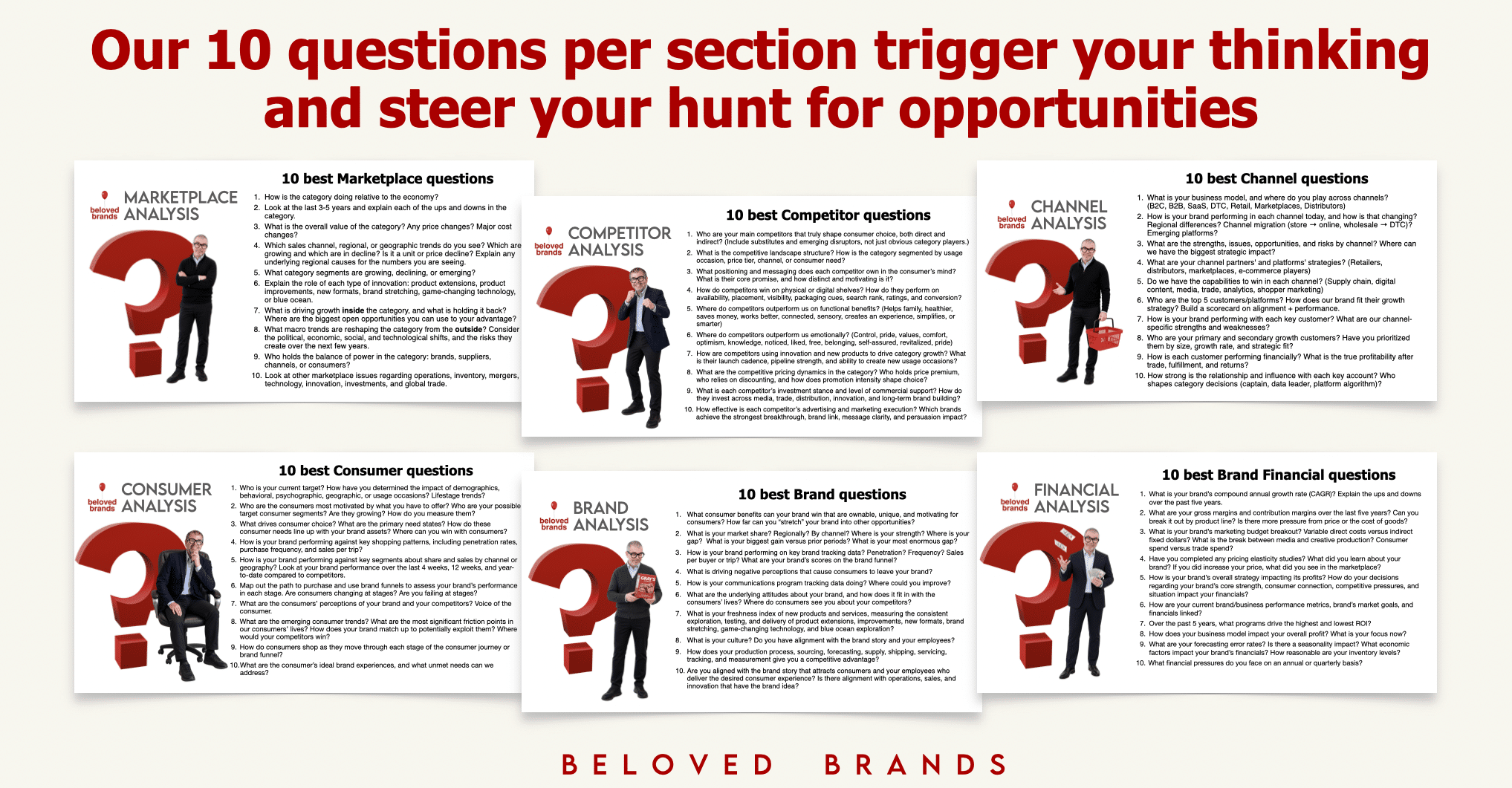
Importantly, you should conduct a deep-dive business review of your brand at least once a year. Otherwise, you are negligent of the brand, where you are investing all your resources. Namely, you should dig in on the five specific sections—marketplace, consumers, channels, competitors and the brand—to draw out conclusions to help set up your brand’s key issues, which you answer in the marketing plans. Therefore, we will show you 10 of our best analytical questions for each section.
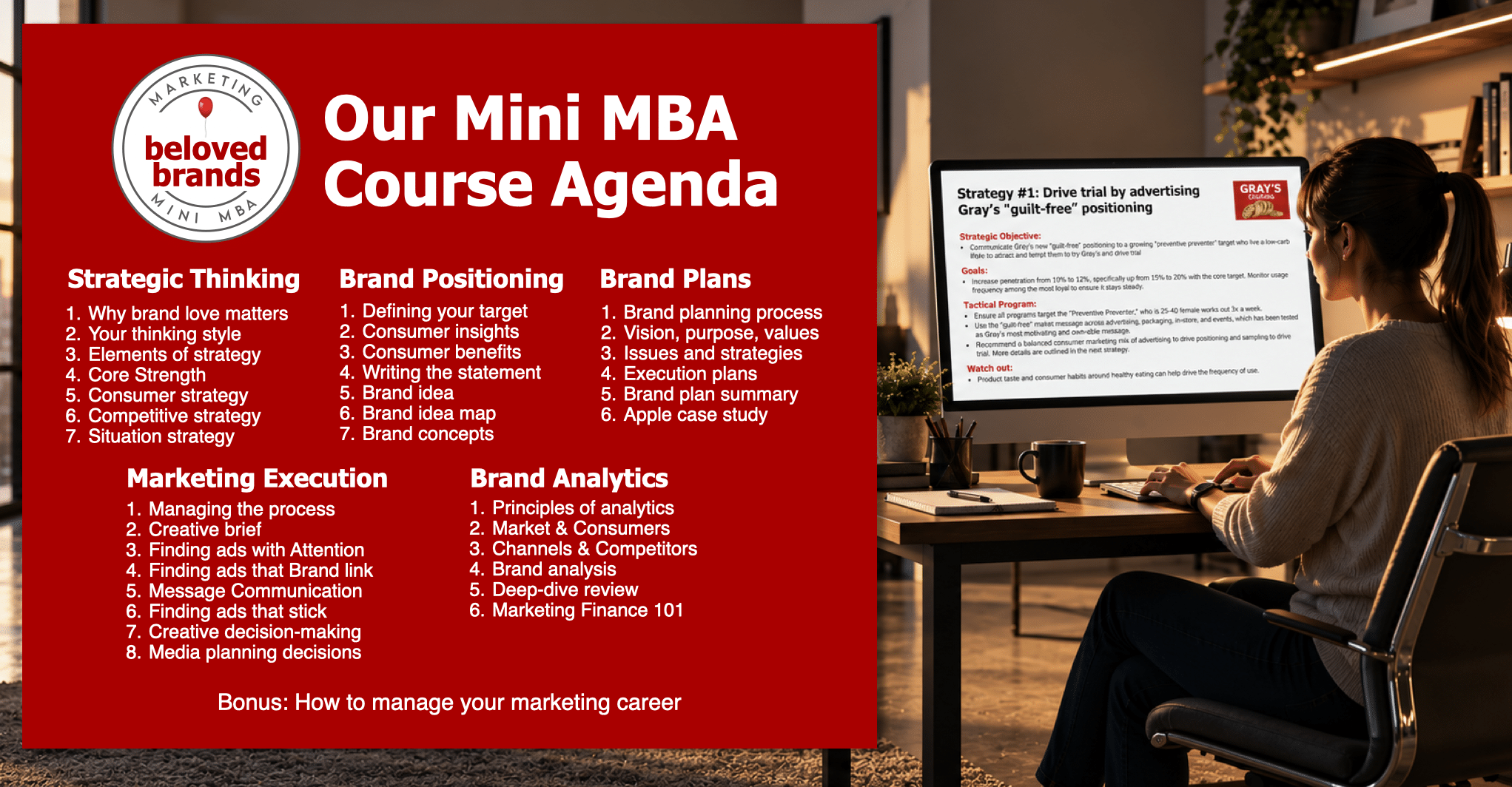
Deep-dive business review
🌍 Marketplace
Start with a macro read of the category. How is the overall market performing? What headwinds and tailwinds are shaping growth? Dig into the forces that move categories—economic shifts, consumer behavior changes, technology disruption, shopper trends, and regulatory pressures. Then, scan adjacent categories for patterns that could spill over into yours or signal what’s coming next.
🧠 Consumers
Use analytics to truly understand your consumer target. Look for the beliefs, habits, and motivations driving their behavior—what’s growing, what’s declining, and why. Apply tools like brand funnel analysis and leaky bucket analysis to see how they shop, where you lose them, and what triggers their decisions. Layer in tracking studies, VOC data, and qualitative research to understand what they think and feel at every stage of the purchase journey.
📦 Channels
Evaluate how each distribution channel and every major retailer is performing. Understand their strategies, the tools they offer, and how effectively your brand is using them. Your brand must show up in a way that aligns with your customers’ priorities and supports their growth model.
⚔️ Competitors
Break down your closest competitors. Look at performance indicators, positioning, innovation activity, pricing, distribution, and how consumers perceive them. Use analytics to map out where they’re likely headed next—then use those insights to sharpen your own strategy.
🏷️ Brand
Assess your brand from every angle: consumers, customers, competitors, and employees. Bring together funnel data, tracking results, research, pricing analysis, distribution gaps, and financial indicators to get a full view of brand health. Manage both sides of the equation—brand health and brand wealth.
💰 Financials
Evaluate your full P&L to understand the economic drivers behind your brand’s performance. Know the levers that drive profitability—pricing, costs, market size, and market share—and understand when to pull each one. Strong financial discipline helps ensure that strategic choices also deliver the right economic outcomes.
Video on the deep-dive business review
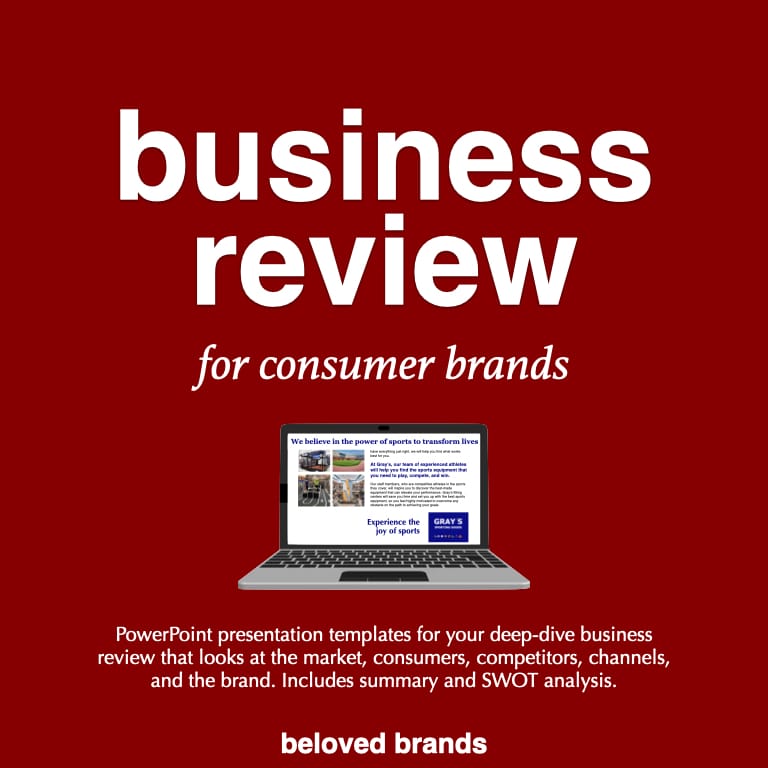
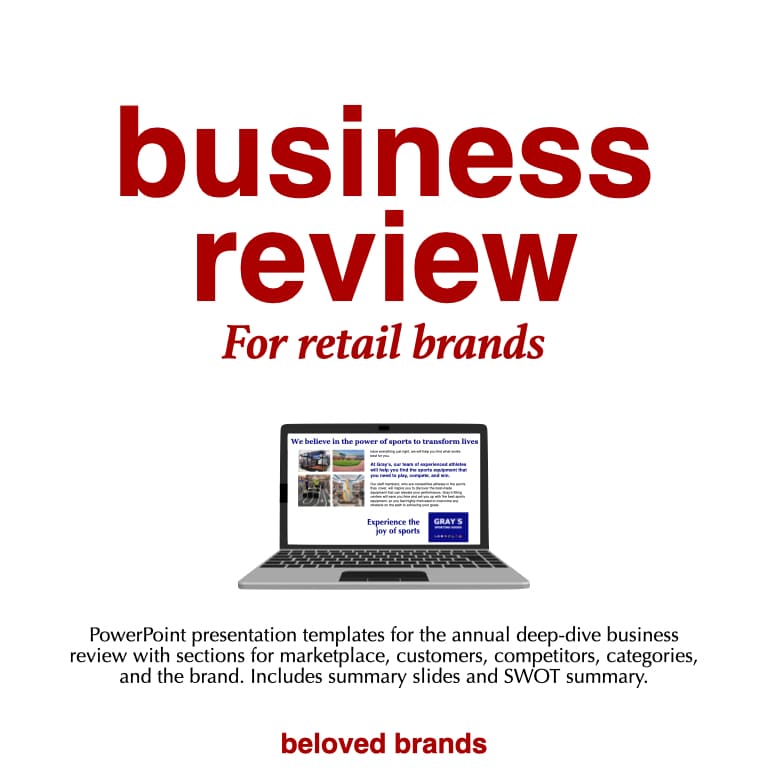
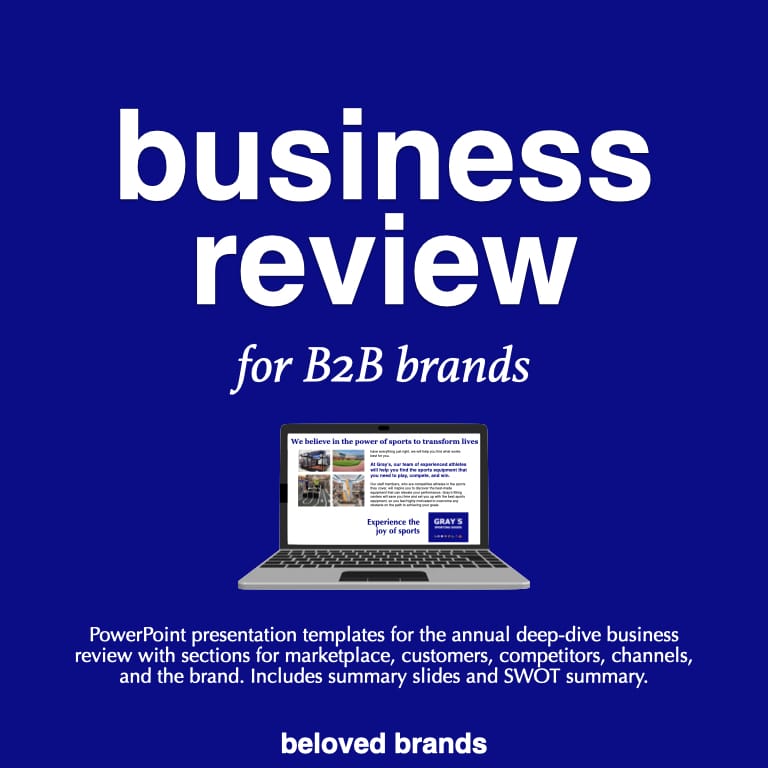
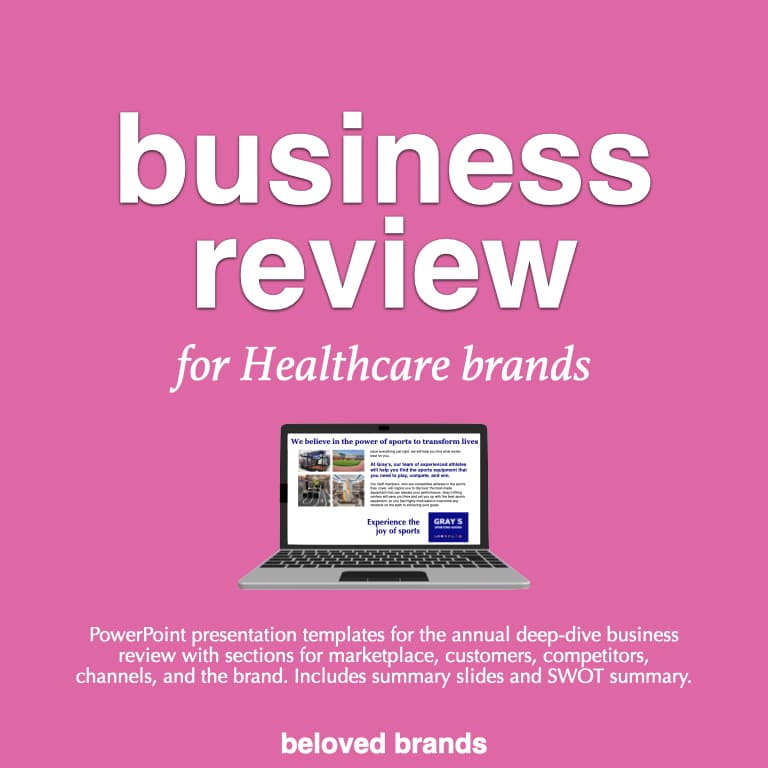
Business Review template
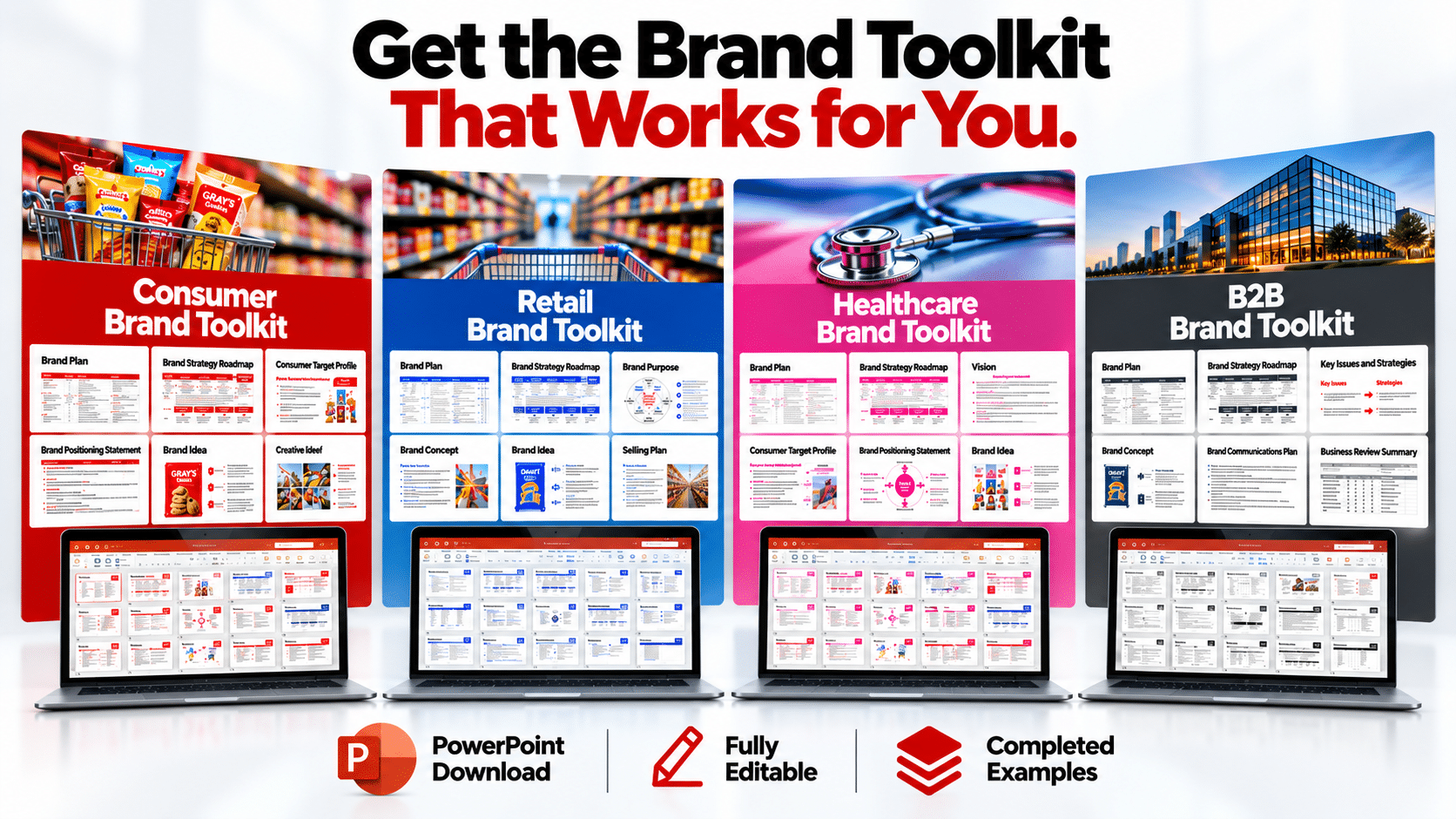
Conduct a thorough and effective annual business review with our Business Review template.
Our Business Review template is designed to provide an in-depth assessment of your brand’s performance. It includes PowerPoint slides that look at the marketplace, consumers, competitors, channels, and the brand.
Ideal for use in annual deep-dive assessments or brand audits, it is perfect for brand managers, consultants, or agencies looking to evaluate their brand’s strengths, weaknesses, opportunities, and threats, and develop a plan for improvement.
Our Business Review template offers easy customization with formatted PowerPoint slides and key definitions, as well as a fully completed example plan ready for tailoring to your specific needs.
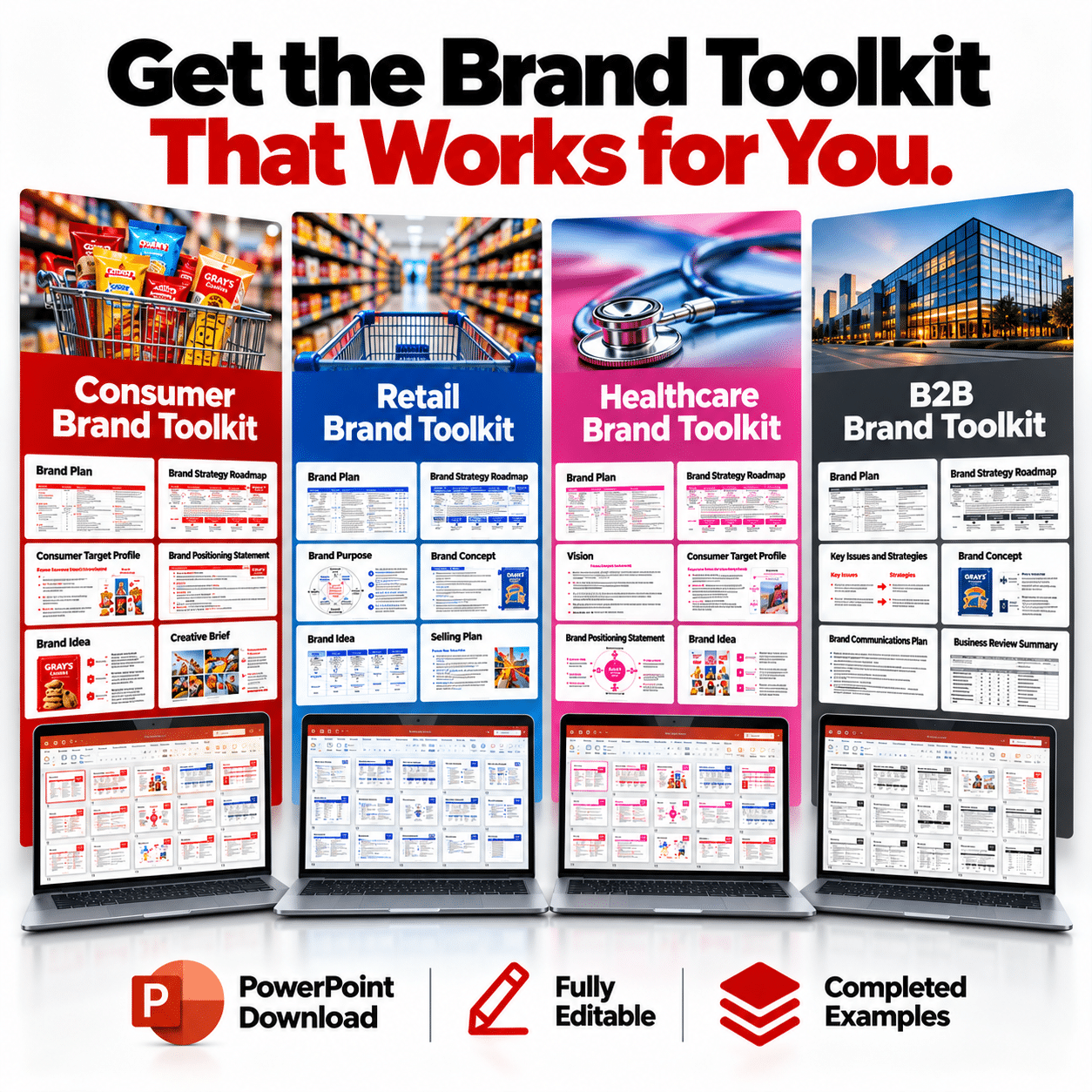
Available in different versions for consumer brands, B2B brands, and healthcare brands, this template is an essential tool for anyone looking to improve their brand’s performance. All of this is available at just $79.
Click on right the business review that will work for you
Marketing Analytics
10 best analytical questions about the marketplace.
- First, using the marketing data, how is the category doing relative to the economy?
- Then, look at the last 3-5 years and explain each of the ups and downs in the category.
- Next, what is the overall value of the category? Any price changes? Major cost changes?
- Which sales channel, regional or geographic trends do you see? Which are growing and which are in delicate? Is it unit or price decline? Explain any underlying regional causes for the numbers are you are seeing.
- What category segments are growing, declining or emerging?
- Explain the role of each type of innovation: a) product extensions, product improvements, new formats, brand stretching, game changing technology or blue ocean?
- What are the macro factors driving category growth? And, what is holding the category back? What are the significant open opportunities you use that you can use to your advantage? Moreover, what are the risks to the categories in the next few years?
- What are the macro trends influencing or changing this category? What is the impact of political, economic, social or technology on the category?
- Who holds the balance of power in the category: brands, suppliers, channels, or consumers?
- Finally, look at other issues across the marketplace regarding any operations, inventory, mergers, technology, innovation, investments, global trade.

10 best analytical questions about consumers.
- First, who is your current target? How have you determined demographics, behavioral or psychographic, geographic, and usage occasion? Generational trends?
- Next, who are the consumers most motivated by what you have to offer? Who are your possible target consumer segments? Are they growing? And, how do you measure them?
- Then, what drives consumer choice? What are the primary need states? How do these consumer needs line up to your brand assets? Where can you win with consumers?
- How is your brand performing against key shopping patterns, looking at penetration, buying rates that includes frequency of purchase and sales per trip?
- How is your brand performing against key segments with regards to share and sales by channel or geography? Most importantly, use the available marketing data to look at your brand performance over latest 4 weeks, 12 weeks and year to date, compared to competitors.
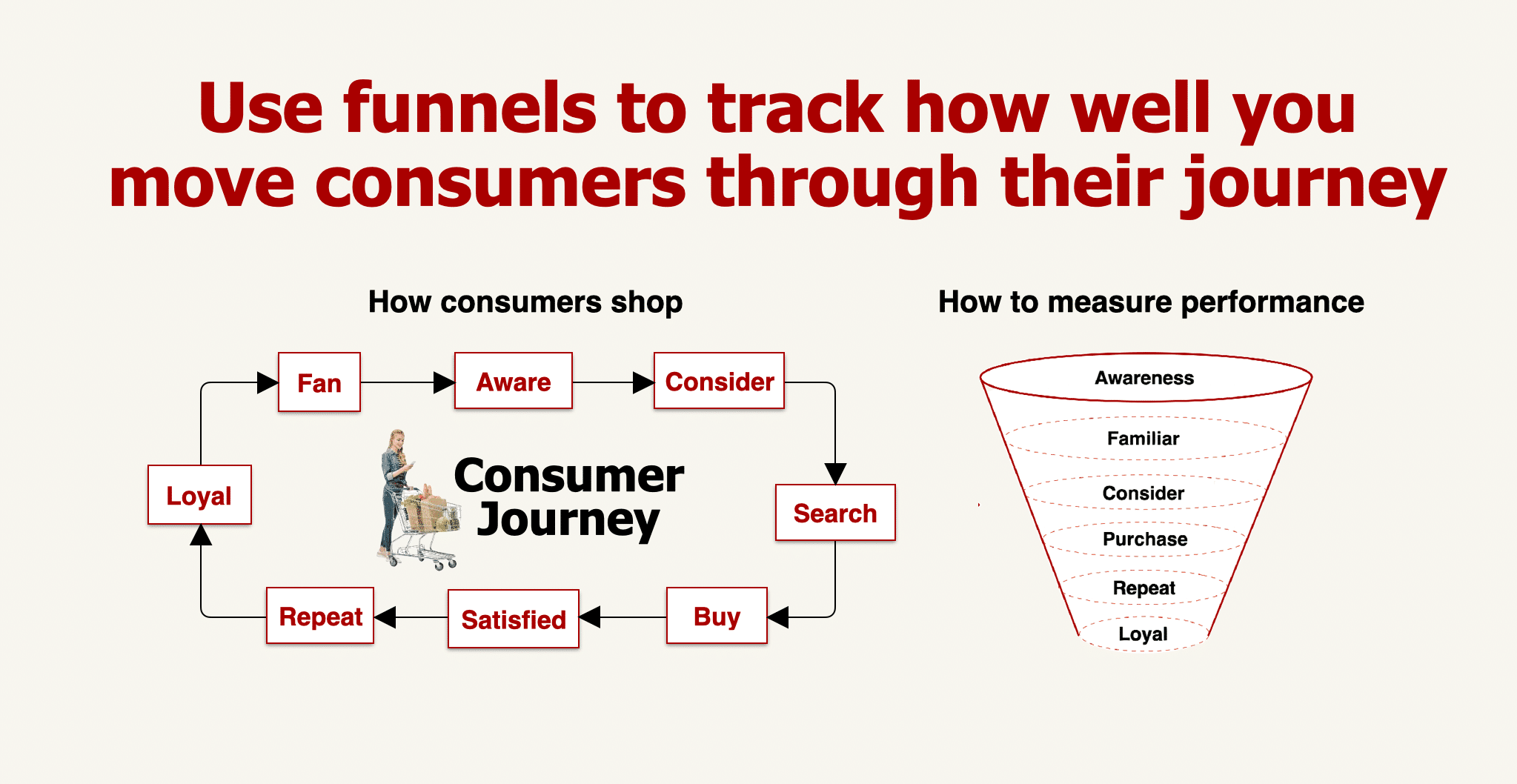
- Most importantly, map out the path to purchase and use brand funnels to assess your brand’s performance in moving through each stage. Are consumers changing at stages? And, are you failing at stages?
- What is the consumer’s perceptions of your brand and your competitors? Voice of the consumer.
- How do consumers shop as they move through each stage of the brand funnel?
- What are the emerging consumer trends? How does your brand match up to potentially exploit them? Where would your competitors win?
- Finally, what are the consumer’s ideal brand experiences and unmet needs we can address? As well, read about a growing type of consumer, the independent consumer
Improve your marketing skills
A classic marketing funnel would measure awareness, familiar, consider, purchase, repeat and loyal. Importantly, the marketing funnel will tell you where your brand is now, and when analyzed with intelligence, brand funnels can provide hints as to where you can go next.
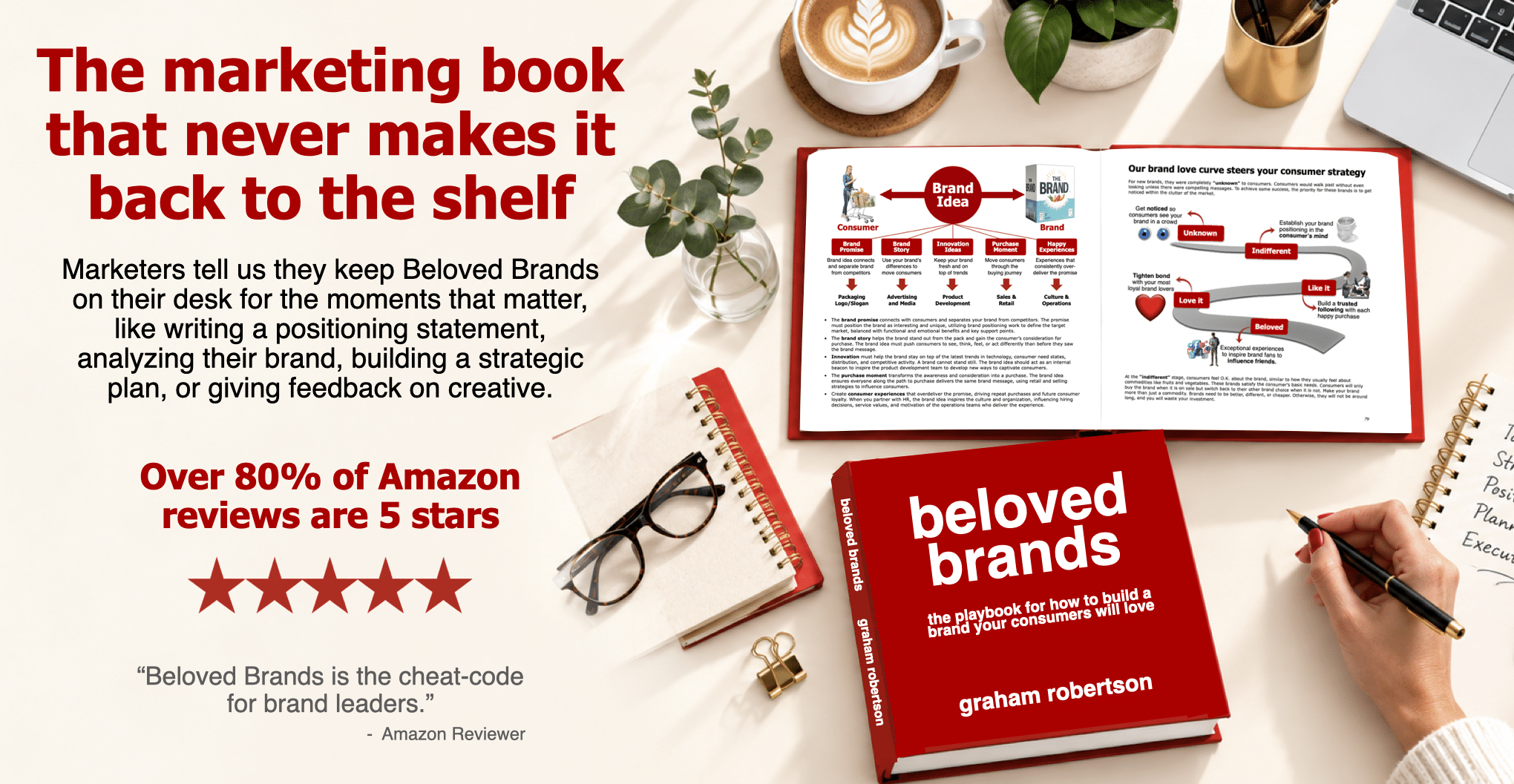
Clearly, the marketing funnel analysis can help you determine where your brand sits on the brand love curve, as it moves through five stages: unknown, indifferent, like it, love it, and onto the beloved brand status.
10 best analytical questions about the channels
- How is your brand performing in each channel, and where do results vary by region?
- Which new and emerging channels offer the strongest potential?
- Assess the strengths, issues, opportunities, and risks within each channel. Where can your brand make the greatest impact?
- How well do you understand the strategies of your retail customers?
- Does your team have the capabilities required to service those customers effectively?
- Identify your top five customers and examine their main strategies. Where does your brand fit within each customer’s plan? Create a scorecard showing how closely your brand aligns with their performance goals.
- Use the available marketing data to assess your brand’s performance within each customer. Where is the brand strongest, and which weaknesses need attention?
- Who are your primary and secondary customers? Segment them by growth potential and market opportunity, then compare their size and growth rates.
- Evaluate the performance and profitability of each customer.
- How strong is your relationship with each customer? Identify the category captain for every key account and explain why they hold that position.

The 10 best competitor questions
- First, who are your main competitors, both direct and indirect? How do they position themselves?
- Also, describe your competitor’s operating model, culture, and organization structure. What is the culture at your competitor and what is the role culture plays in their brand?
- Then, summarize the marketing data to determine your competitor’s strengths, weaknesses, opportunities, threats?
- Map out the competitor’s brand plan: vision, goals, key issues, strategies, and tactics.
- Next, what are your competitor’s use of communication, new products, and go-to-market strategy? And, how are they executing against each?
- Explain all the ups and downs over time, looking at the micro and macro performance of your competitors.
- What is the investment stance and expected growth trajectory of your competitor’s brand? How much and where do they invest? And, what are the marketing and commercial focus? What is their ROI?
- How is your competitor doing regarding market share, customer market shares, investment, margins, innovation, culture, share of voice, or any regulatory advantage?
- How do the competitor prices match up? And, how does each competitor use price?
- Finally, any public materials about the competitor, including strategy and financial results?

10 best analytical brand questions
- First, what consumer benefit can you win with, which is ownable, unique, and motivating for consumers?
- Next, how far can you “stretch” your brand into other opportunities?
- Then, what is driving your biggest gains versus prior periods? What is your biggest gap or inhibitor?
- Using available marketing data, what is your market share? Regionally? By channel? Where is your strength? And, where is your gap?
- How are you performing on key brand tracking data? Penetration? Frequency? Sales per buyer or per trip?
- Most importantly, what are your brand’s scores on the brand funnel?
- How is your program tracking data doing? Where could you improve?
- What are the underlying attitudes about your brand and how it fits in with the consumers’ lives? And, where do consumers see you in relation to your competitors?
- What is driving negative perceptions and causing consumers to leave your brand?
- Finally, how do you describe the culture behind the brand, and how does that impact the consumer experience? Do you have alignment with the brand story and your employees? Alignment with operations, sales and innovation?
The 10 best marketing finance questions
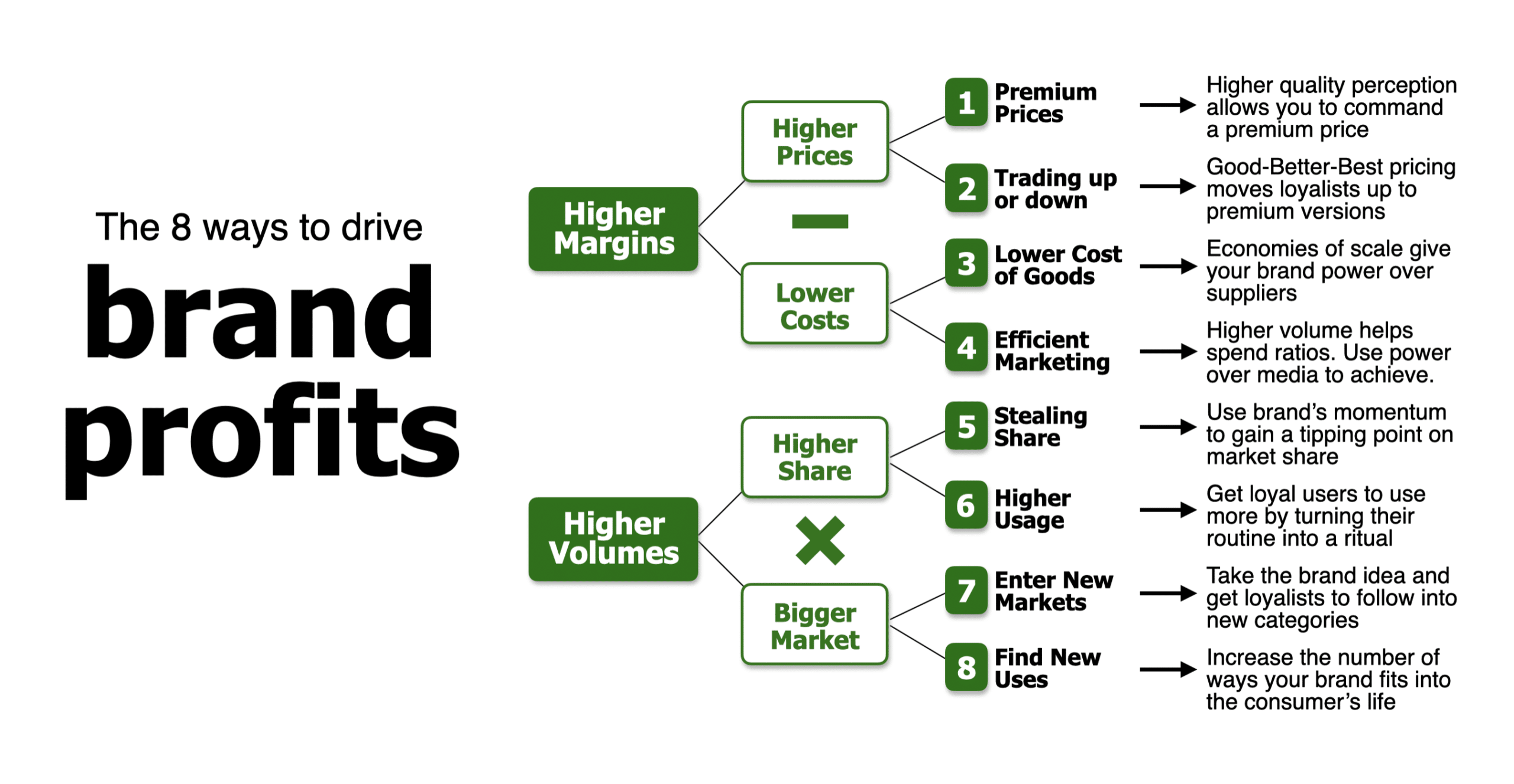
- First, what is your brand’s compound annual growth rate (CAGR)? Explain the ups and downs over the past five years.
- Then, what are your gross margins and contribution margins over last five years? Can you break it out by product line? Is there more pressure from price or the cost of goods?
- Next, what is your brand’s marketing budget breakout? Variable direct costs versus indirect fixed dollars? What is the break between media and creative production? Consumer spend versus trade spend?
- Have you completed any pricing elasticity studies? What did you learn about your brand? If you did increase your price, what did you see in the marketplace?
- How is your brand’s overall strategy impacting your brand’s profits? And, how do your decisions on your brand’s core strength, consumer connection, competitive pressures, and situation impact your financials?
- How are your current brand/business performance metrics, brand’s market goals, and financials linked?
- Over the past 5 years, what are the programs that drive the highest and lowest ROI?
- How does your business model impact your overall profit? What is your focus now?
- What are your forecasting error rates? Is there a seasonality impact? What economic factors impact your brand’s financials? And, how reasonable are your inventory levels?
- Finally, what financial pressures do you face on an annual or quarterly basis?
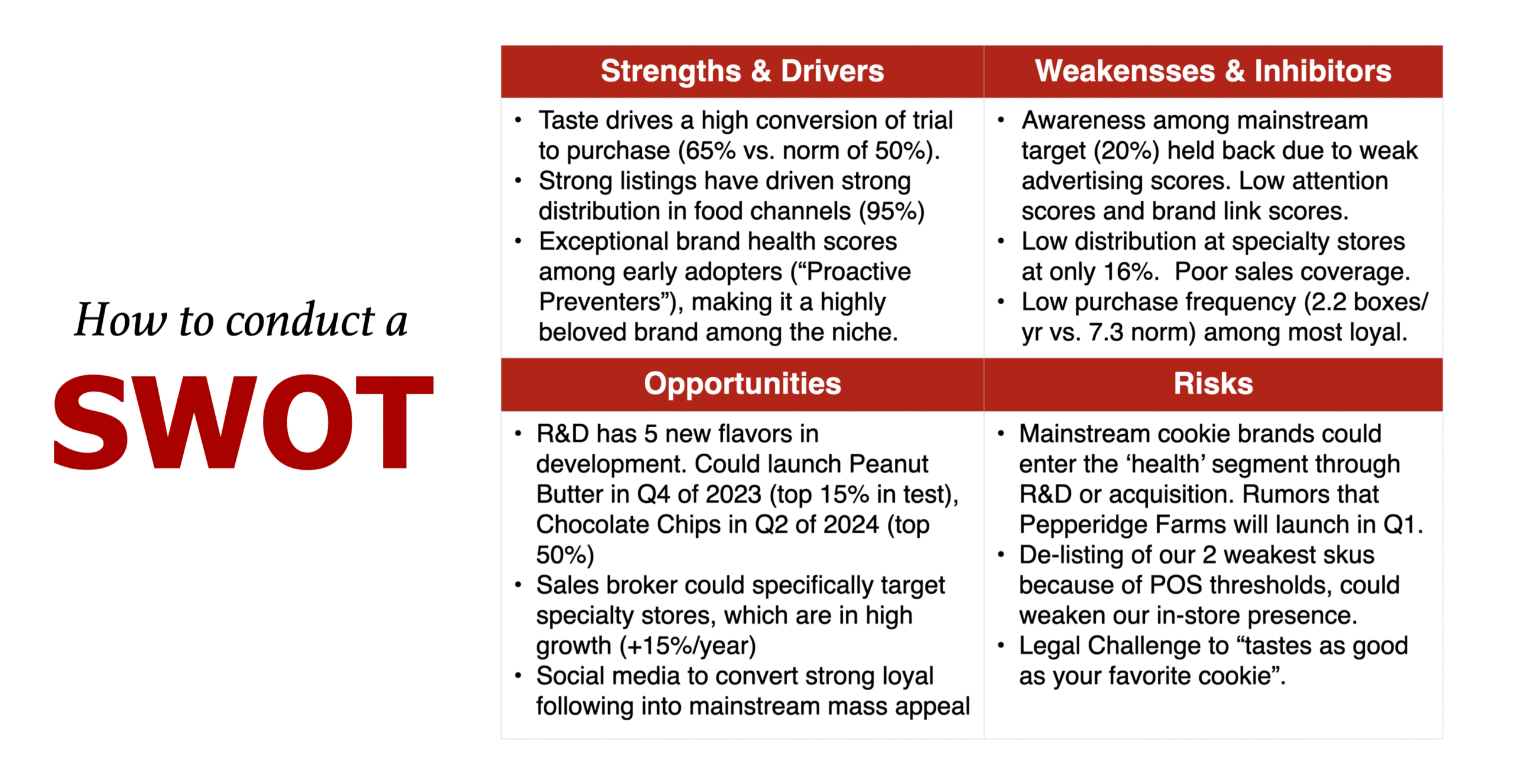
4 Marketing Analytics Questions to summarize your assessment
- First, what’s driving growth? To start, focus on the top factors of strength, positional power, or market inertia, which have a proven link to driving your brand’s growth. In short, your plan should continue to fuel these growth drivers.
- Then, what’s inhibiting growth? First, find the most significant factors of weakness, unaddressed gaps, or market friction you can prove to be holding back your brand’s growth. From there, your plan should focus on reducing or reversing these inhibitors to growth.
- Next, what are the opportunities for growth? Specific untapped areas in the market, which could fuel your brand’s future growth, based on unfulfilled consumer needs, new technologies on the horizon, potential regulation changes, new distribution channels, or the removal of trade barriers. As a result, your plan should take advantage of these opportunities in the future.
- Finally, what are the major threats to future growth? Changing circumstances, including consumer needs, new technologies, competitive activity, distribution changes, or potential barriers, which create potential risks to your brand’s growth. For this reason, build your plan to minimize the impact of these risks.