Most brand vision advice hands you a wall of famous statements and tells you to be inspiring. That is the easy part to admire and the hard part to copy. What almost nobody gives you is the method to build your own.
A brand vision is the end-in-mind picture of where your brand could be in five to ten years. It answers one question: where could we be? A vision statement is the single sentence that captures that picture in language clear enough to steer every choice in your brand plan. It is not what you do today. It is the future you are working to create, set far enough out that you have not reached it yet, and high enough that it scares you a little.
This page gives you the formula we use to build one, with two brands worked all the way through, so you can see the construction, not just the finished sentence.

Why your brand needs a vision
Some teams get so fixed on hitting this quarter’s number that they chase every tactic in front of them. A vision pulls them back up to altitude. It steers the whole brand plan, because once you set it, the vision sets up the key issues that stand in the way, and those issues set up the strategies to get there. Each piece of the plan connects to the next, like an orchestra where every instrument plays to the same score.
As Yogi Berra put it, if you don’t know where you are going, you might not get there. When brand teams struggle, they usually lack a vision. They have goals, but no picture of the destination those goals are supposed to reach.

The three parts of a vision statement
A strong vision statement is built from three pieces. Get each one right on its own, then assemble them into a single sentence.
- The defined future (qualitative). Conceptual words that frame what the brand becomes. This is the picture: the role the brand plays in people’s lives, the space it occupies, and what it is known for.
- The stake in the ground (quantitative). A number and a date. Revenue, share, valuation, or customer base, set far enough out and high enough to stretch the team.
- The three that must be true. The handful of conditions that must hold for the future to occur. Triangulate down to three. These are the key issues your brand plan must solve.
Assemble those three, and you have a vision statement that is both a picture and a yardstick.
Eight questions to brainstorm your vision
Before you write, work through these with your team and look for the answers you keep circling back to.
- What is the single primary metric for success over the next five to ten years: revenue, growth, profitability, valuation, market share, or customer base?
- What is your brand’s main strength: product, story, experience, or price, and how does that strength position you?
- How do you want customers to feel about the brand, and how would you know: NPS, loyalty scores, reviews?
- What makes the brand unparalleled, the thing you are best known for?
- What is the organizing brand idea that directs your story, innovation, purchase moments, and experiences?
- How does that brand idea show up inside your culture and energize your team?
- What is your corporate persona on trust, innovation, service, and purpose?
- What milestones, awards, or accomplishments would have people talking about the brand?
How Apple built the iPhone vision in 2007

The 2007 iPhone launch is worth studying because you can now check the vision against what actually happened, and it held up. Here is how the three parts came together.
The defined future was the everything phone.
- Steve Jobs wanted to combine a phone, a computer, and an iPod into a single device that would become part of consumers’ lives, handling text, email, calls, calendar, browsing, music, and purchases, plus whatever came next.
- The stake in the ground was 25 billion dollars in sales within ten years, across consumer and business. That was a wildly ambitious number at the time, given that BlackBerry had not yet crossed a single billion.
- The three that must be true triangulated down to a simple user experience that needed no learning curve, an integrated solution where an ecosystem of apps and services worked together like the Mac, and stylish functionality that made owning the device a statement.
Put together, the iPhone vision read:
- The iPhone will reach $25 billion by 2017 by creating the everything phone that enhances everything in our consumers’ daily lives, with integrated solutions, simple user experiences, and stylish functionality.
Notice what those three “must be true” elements did. They became the agenda. Each one named a key issue the brand plan had to solve, which is exactly what a vision is supposed to set up.

To read our Apple Case Study, click this link: Apple Case Study
A brand vision example: Gray's Cookies

Run the same formula on a smaller brand, and it still works.
- The defined future for Gray’s emerged from the eight questions as the first popular healthy cookie to rival mainstream cookies. That is the picture: not a niche better-for-you product, but a genuine mainstream contender.
- The stake in the ground was to lead the good-for-you cookie market and to reach $ 100 million by 2030.
- The three that must be true were taste that drives craving, mainstream popularity, and breakthrough market share.
Assembled, the Gray’s vision statement reads:
- To be the first healthy cookie to reach $100 million by 2030 by generating the craving, popularity, and market share of a mainstream cookie.
Those three conditions hand you the key issue questions immediately. What is in the way of the craving? How do we achieve mainstream popularity? What is in the way of breakthrough share? Answer those, and you have the spine of the plan.

What makes a vision great
Use this as your check before you lock it in.
- If the vision looks five to ten years out.
- It paints the ideal picture of where you could be, vivid enough that you can see, feel, and hear it.
- The vision is emotional enough to rally employees and partners behind it.
- It is, in plain words, ideally a phrase that already feels familiar inside the company.
- When the vision balances stretch against reality, ambitious but not impossible.
- It includes a number, a sales or profit figure, or a leadership position.
Cautions when writing your vision
A few traps to avoid when writing a brand vision statement.
- A vision is not a positioning statement. Different tool, different job.
- Make sure you have not already achieved it. If you have, aim higher.
- Do not describe the how. The vision is the destination, not the strategy.
- Stay single-minded. Keep tightening. Do not try to cram everything in.
Your vision should scare you a little and excite you a lot. You should wonder whether you can pull it off, then imagine how it would feel if you did. We rarely achieve more than we first thought possible, so the size of the vision sets the ceiling on the result.
Frequently Asked Questions - Brand Vision
What is a brand vision statement?
A brand vision statement is a single sentence that describes where your brand could be in five to ten years. It combines a defined future, a quantitative stake in the ground, and the conditions that must be true to get there, written to steer the whole brand plan.
What is the difference between a vision and a mission?
A mission describes what the brand does today and why it exists. A vision describes the future the brand is working to create. The mission is the present, the vision is the destination.
How long should a brand vision last?
Five to ten years. Short enough to feel real, long enough that you have not reached it yet and that it forces genuine stretch.
What is the difference between a brand vision and brand positioning?
A vision is the internal end-in-mind picture that steers your plan. Positioning is the external space you claim in the consumer’s mind. A vision should never be written as a positioning statement.
How do you write a brand vision statement?
Define the future in conceptual words, set a quantitative stake in the ground with a number and a date, triangulate to three things that must be true, then assemble all three into one sentence that is emotional, plain, and stretching.
An interesting story about coming up with your vision
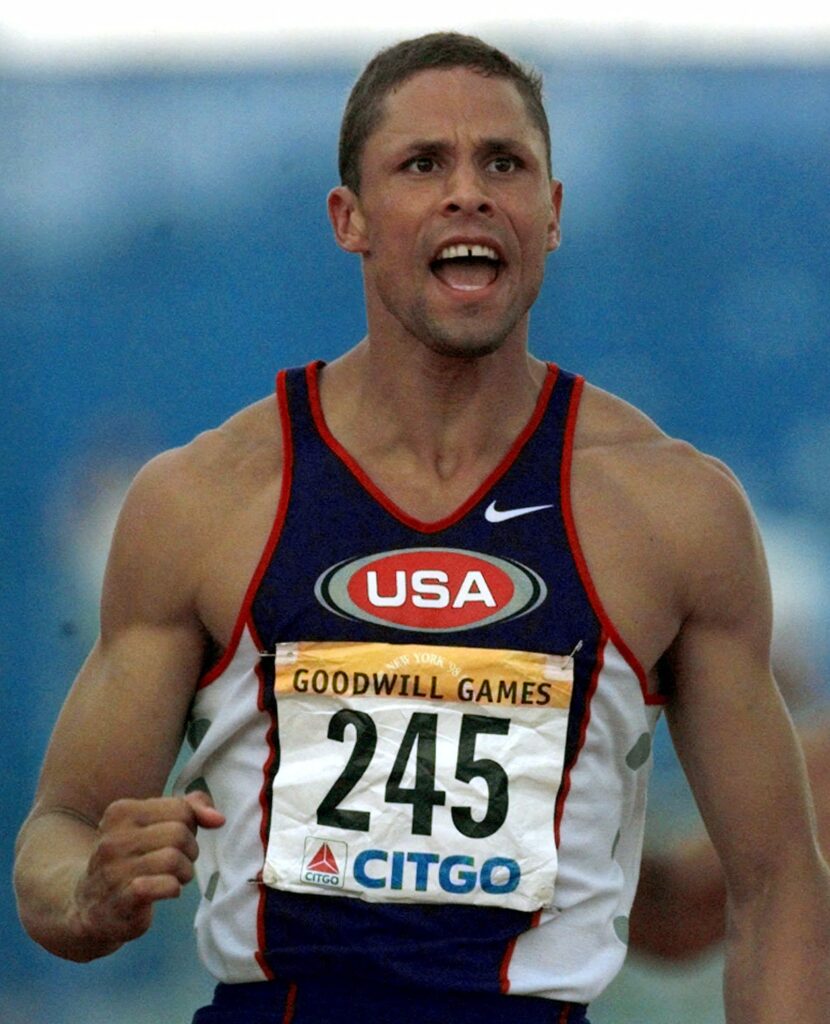
Dan O’Brien was a U.S. track and field superstar back in the 1990s. He competed in the Decathlon and won pretty much everything: World Champion, Olympic Champion, US Champion, and World Record Holder that would stand for 10 years–a lifetime in the track and field world. His story will inspire you.