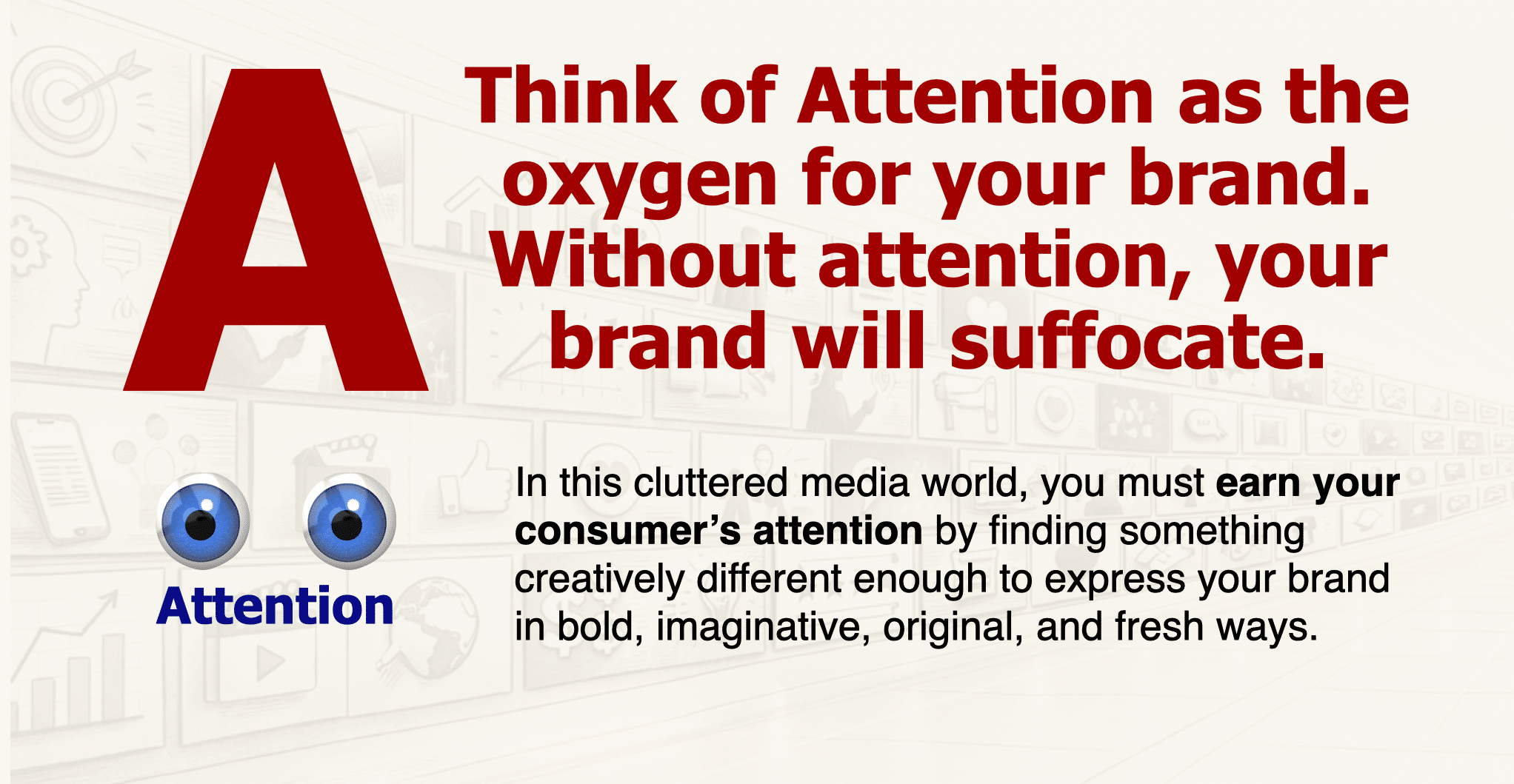
Attention-getting advertising must take a risk. And, you must do something creatively different from what consumers expect, which entertains, takes advantage of the media, and is shareable for consumers to influence others.
When judging advertising, the most important thing I look for is to ensure the creative idea within the ad that drives the attention, tells the brand story, communicates the main benefit and sticks in the consumer’s mind. When you see a story, device, copy, or a visual that does not fit with the delivery, then you have a red flag. You run the risk that the creativity of the ad working against your objectives. Attention-getting advertising requires you to inspire your creative team, by showing you are willing to do something different.
Advertising Decisions
The ABC's of Advertising: Attention, brand link, communication stickiness
Here are four questions to ask:
- First, is it the creative idea that earns the consumer’s attention for the ad?
- Then, does the creative idea help to drive maximum brand link?
- Next, is the creative idea setting up the communication of the main consumer benefit?
- And, is the creative idea memorable enough to stick in the consumer’s mind and move them to purchase?
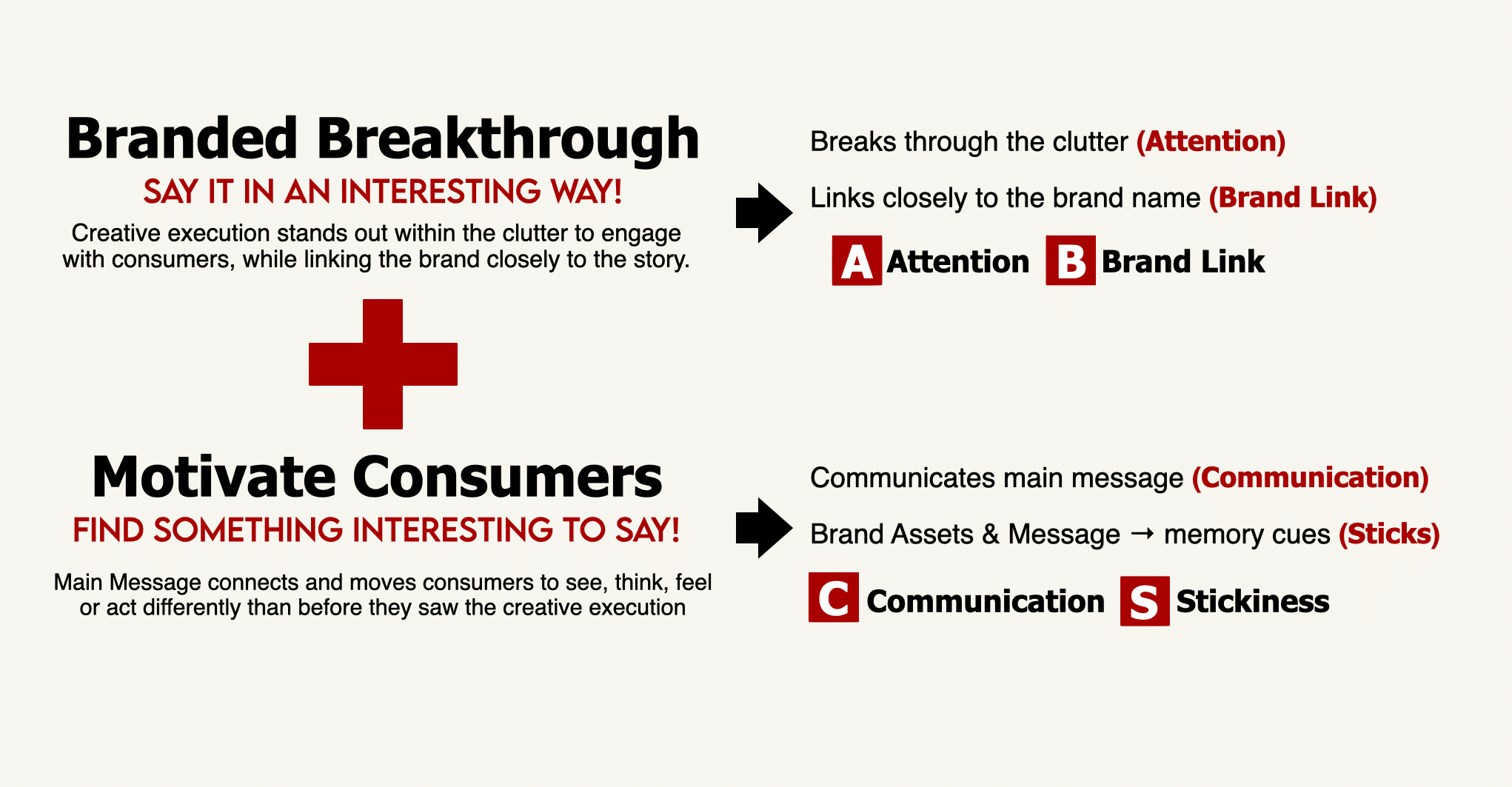
To illustrate, click on the ABC’s of advertising to see details.
Attention-getting advertising
Four best ways to capture attention
- Be incongruent with what consumers expect
- Entertain consumers
- Use media choice to your brand’s full advantage
- Content people want to share

Create something that is incongruent with what consumers expect
This technique is an excellent choice to help brands stand out from the clutter. Consumers notice when you are so different from what they expect or so different from what they are watching at the moment. Many brand leaders are afraid of this technique because it is a higher risk, less certain type of creative.
A great example of being incongruent is the Hathaway Shirt “Man in the eye patch” print ad. The eye patch is a simple addition to a very dull visual of a man in a shirt. David Ogilvy picked up a few eye patches on the way to the photo shoot. This unorthodox visual made the ad stand out and the brand famous. It was a lasting brand visual for decades.

To illustrate, click on the attention-getting advertising to see details.
Impact of VW ads
For example, another fantastic Attention-getting ad is the “Think small” campaign for the Volkswagen Beetle. When every other car was going big, the VW Bug went small. The ad does two things to capture our minds. First, it plays on the commonly known phrase, “Think big.” Second, the extreme use of white space, with a barely visible car, is equally arresting. It delivers a message of simplicity and minimalism, with the advantages of a small car down below. AdAge magazine ranked this ad as the best ad of the twentieth century.
The common link is the use of incongruent visuals and copy to draw our attention. We can learn a lot from historical ads. With the modern-day clutter of digital media, this is a recommended technique to use to gain the consumer’s attention.

To illustrate, click on the attention-getting advertising to see details.
L'Oreal
To create attention-getting advertising, how comfortable are you with polarizing advertising? Below is an incongruent ad with message is a perfect fit for the L’Oréal brand. The main headline of “This is an ad for men.” attracts our eye because it doesn’t match what we see in the main visual. It draws our eye into the body copy, “Hire more women in leadership roles. We are all worth it.”
Oh, and sorry men, the message is meant for you, but this is actually an ad for women.

To illustrate, click on the attention-getting advertising to see details.
K-Mart
While we can debate whether K-Mart’s delivery strategy will make any difference, but this is an example of attention-getting advertising that uses incongruent creative to make your brain think they are swearing on TV.
To view, use the ▶️ controls to play or volume buttons.
Take your brand knowledge to new heights with our Beloved Brands playbook
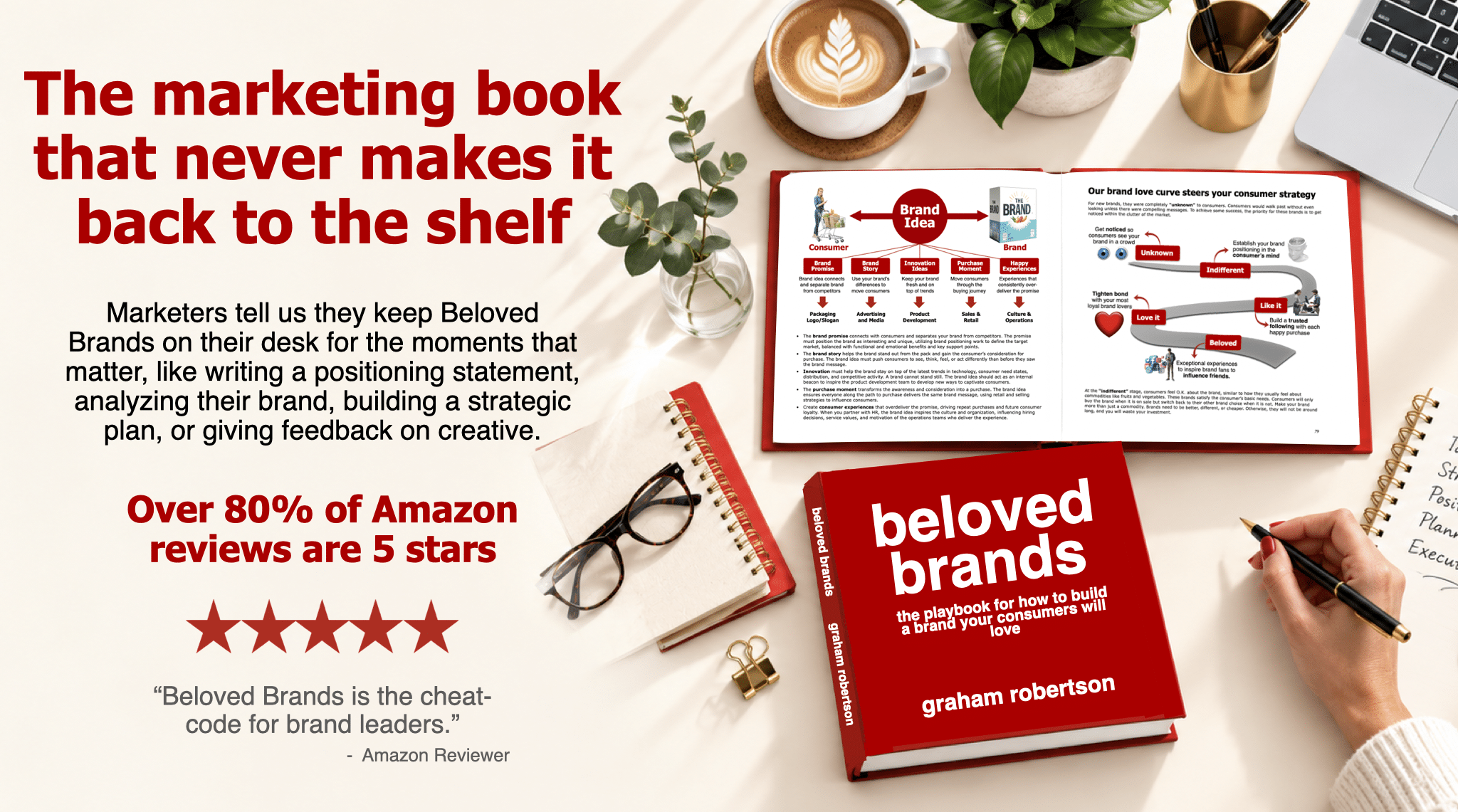
Beloved Brands is a comprehensive guide that covers the fundamentals of brand management. It goes deep on strategic thinking, brand positioning, brand plan development, advertising decisions, media planning, marketing analytics, and the brand financials. This is an opportunity to build your marketing skills to help your career. And, it will provide you with the roadmap for driving growth on your brand.
Marketers see Beloved Brands playbook as a go-to resource, as they keep it within arm’s reach for any new project. We are thrilled that it has received a 5-star rating from nearly 90% of Amazon reviewers. Additionally, we have also created playbooks for B2B Brands and Healthcare Brands, catering to specific industries.
Entertain consumers
Another type of attention-getting advertising is to make viewers laugh, cry, or dance. People engage media to be entertained. Make your ad part of the entertainment. Be aware of the evolution of the art of creativity to make sure you match the latest type of entertainment. As much as movies, TV, or music evolve, so should your ads.
The Old Spice “Smell like a man” campaign’s quirky, over-the-top humor is so different, it captured immense attention and helped P&G reinvigorate the Old Spice brand. The ad uses a series of quick cuts, putting the actor in crazy circumstances. His dry, over-the-top delivery adds to the humor.
Old Spice
To view, use the ▶️ controls to play or volume buttons.
Bud
I love Budweiser’s “Wassup” campaign because it just makes you laugh. This attention-getting advertising offers zero message, but everyone knows Budweiser, so it is a great way to stay top of mind. The ad is highly entertaining and easily breaks through the clutter of other beer ads. The “Wassup” phrase became part of pop culture, especially among Budweiser’s 20-something core target.
To view, use the ▶️ controls to play or volume buttons.
Use media choice to your brand’s full advantage
Attention-getting advertising needs to put your ads where your consumers are willing to see, listen, and engage, matched with creativity to take advantage of the media choice.
John Lewis Christmas ads
For the last decade, John Lewis, the UK department store retailer, has owned the most beloved Christmas ad of the season. It has become such fan favorites the media has leaked the launch date and song choice. These ads generate 50 million views online per year. While retailers struggle around the world, John Lewis used its emotional bond to fuel continuous growth.
To view, use the ▶️ controls to play or volume buttons.
McDonald's
With such an impulse product, McDonald’s has become the master of outdoor ads, with a playful spirit, designed to trigger your hunger for McDonald’s products.

To illustrate, click on the attention-getting advertising to see details.
Attention-getting advertising uses social media to the full advantage. When the lights went out in the 2013 Super Bowl, Oreo was quick to tweet this out, capturing the right humour of consumers. When KFC ran out of chicken, they got a bit creative with their apology making fun of themselves.

To illustrate, click on the attention-getting advertising to see details.
Create shareable content
Over the last decade, everything has become about creating content that is so engaging consumers want to share it on social media. The key is to use high impact storytelling ads that are highly entertaining, deeply emotional, or inspiring enough to engage and captivate consumers.
Dollar Shave
One of the best attention-getting ads is for Dollar Shave. The brand created a hilarious, edgy, low-budget YouTube-driven video, which has generated millions of hits. The tagline for the ad is “Our blades are f**king great,” which will undoubtedly alienate many people. However, it will inevitably make the younger male audience quickly love them. The ad tells a quirky story of why the brand doesn’t waste money like Gillette does, setting up the idea its razors are much cheaper than Gillette’s. The ad helped launch the brand, which Unilever bought five years later for $1 billion.
To view, use the ▶️ controls to play or volume buttons.
Red Bull
One of the more modern approaches was Red Bull’s live coverage and subsequent viral videos of Felix Baumgartner jumping out of a rocket ship 24 miles above the earth. The video fits very nicely with the target market and the brand. Red Bull is a brand sponsor of many extreme sports, with this being the most extreme sport possible. While, legally, Red Bull is no longer allowed to say, “Red Bull gives you wings,” this event positively screams the brand idea, loud and clear. With millions watching the live streaming video online and over 100 million watching videos on YouTube, this stunt was a huge attention getter for Red Bull.
To view, use the ▶️ controls to play or volume buttons.
Coke ads
Lessons from the best Coke ads of all time
Over the past 100 years, Coca-Cola has been the best advertising brand. Sure, Nike and Apple have battled for the best over the past 40 years, but they’d need to get to 2080 before challenging Coke.
Apple ads
Learn from the best Apple Advertising of all time
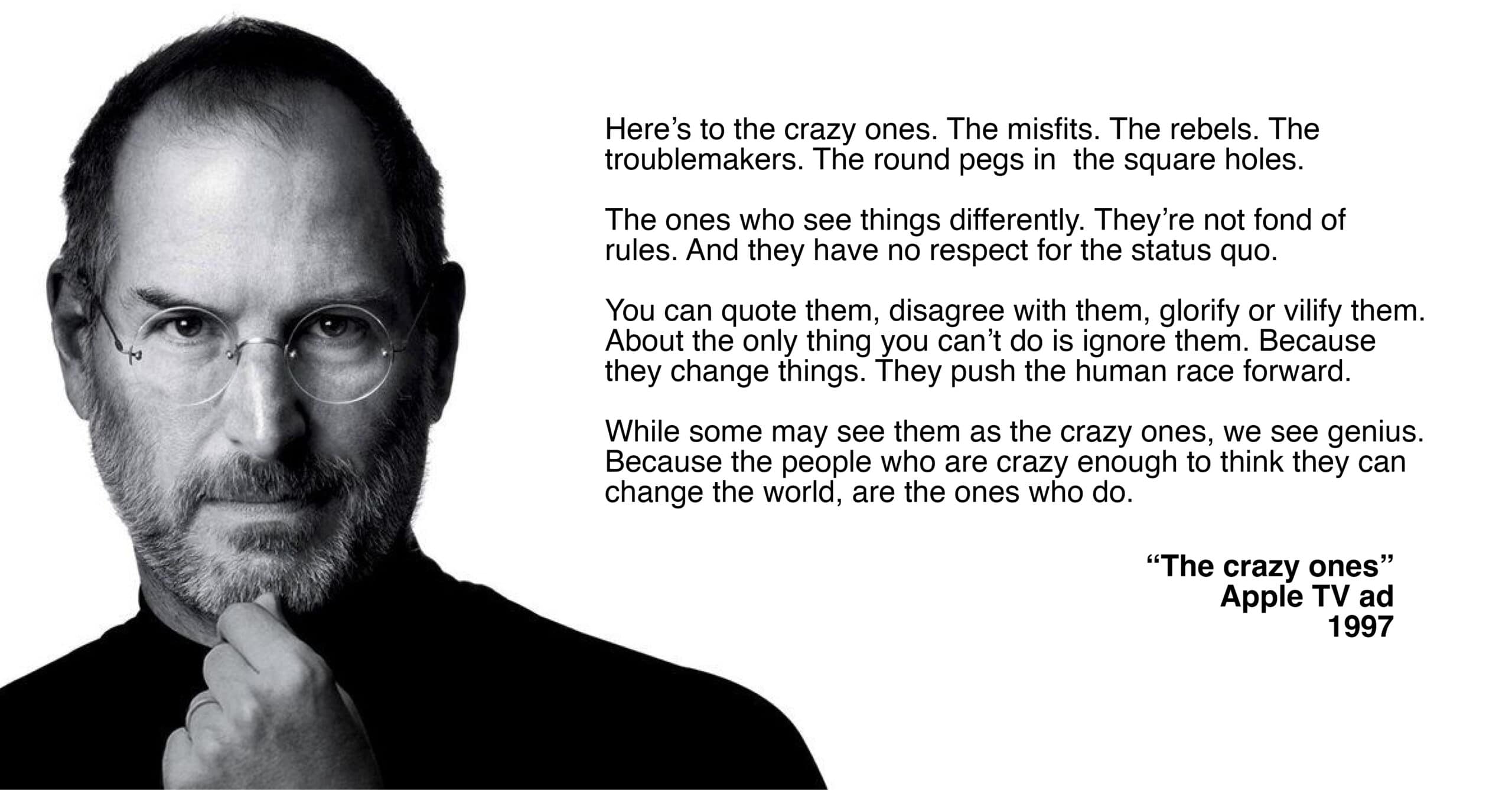
Apple advertising has delivered “simplicity” since the 1970s. Apple’s advertising has been relatively consistent for over 40 years and incredibly connected with consumers. You could build an Apple case study on the advertising alone. So we did!
Nike ads
Our Nike case study looks at 30 years of 'Just do it'
While they have consistently used “Just do it” tagline for 30 years, our case study demonstrates how they were able to articulate the idea in many ways. The diversity of ads contributes to the longevity of the idea.