Before you plan where your brand goes next, you have to answer one question: where are we now? A brand SWOT analysis answers it. In short, it summarizes everything you learned in your deep-dive business review into the four factors that will shape your brand plan: the strengths driving your growth, the weaknesses holding you back, the untapped opportunities in front of you, and the threats you see coming.
I developed this SWOT analysis process over 20 years in CPG marketing, including my time as VP of Marketing at Johnson & Johnson. Below, I will walk you through each quadrant. Then I will show you a completed SWOT analysis example using our Gray’s Cookies case study, followed by the best questions to ask your team. Finally, you will see how the SWOT becomes the bridge into your brand plan.

SWOT Analysis - Table of Contents
What is a SWOT analysis?
A SWOT analysis is a strategic summary of your brand’s strengths, weaknesses, opportunities, and threats. First, strengths and weaknesses look inward at the current factors driving or inhibiting your brand’s growth. By contrast, opportunities and threats look outward at what could happen in the future. As a result, the output becomes the foundation of your brand plan.
The four quadrants of a brand SWOT analysis
Strengths and Drivers.
Strengths are the factors of strength or inertia accelerating your brand’s growth right now. Specifically, look for brand assets, successful marketing programs, favorable consumer or channel trends, winning new products, advertising that is moving the numbers, and strong performance in your retail channels.
Weaknesses and Inhibitors.
Weaknesses are the friction points slowing your brand down. In other words, this is your brand’s Achilles heel. Look for unfavorable consumer trends, shifts in how people shop, competitive pressure, and above all the performance gaps between you and your closest competitors.
Opportunities.
Opportunities are the specific untapped areas of the market that could fuel future growth. For example, look for unfulfilled consumer needs, new technology on the horizon, regulation changes, competitive openings, new distribution channels, or the removal of trade barriers.
Threats.
Threats are identifiable activities that could hurt your brand’s future growth. In particular, look for major competitive moves, competitors’ technology gains, changing consumer dynamics, and unfavorable shifts in distribution.
While your team brainstorms a long list, narrow the focus to the top three points in each quadrant. Ultimately, anything beyond three dilutes the discussion and stalls the decision-making that follows.
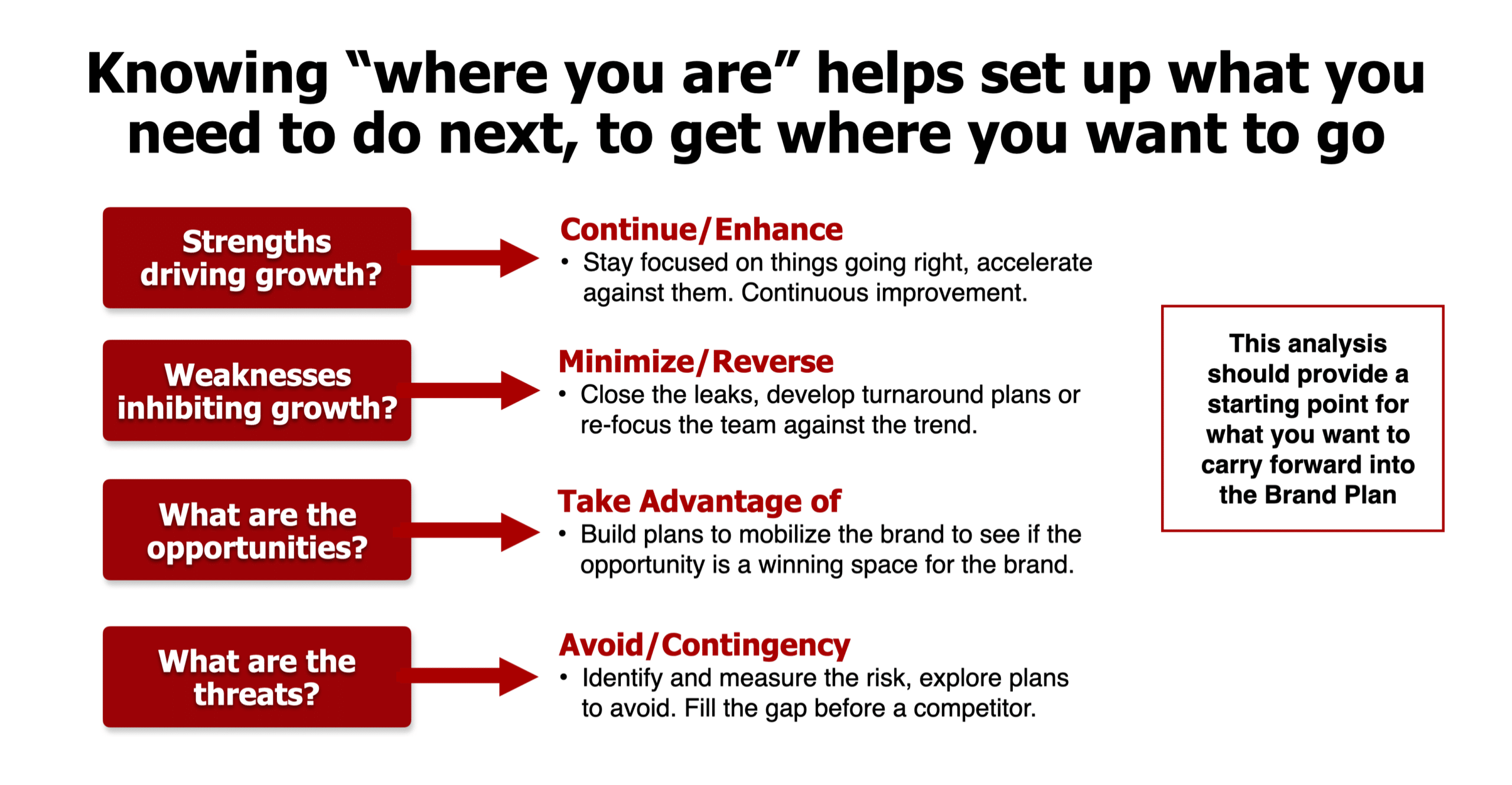
SWOT Analysis Example: Gray's Cookies

To show you what a finished brand SWOT analysis looks like, here is the business review summary for Gray’s Cookies, the fictional healthy cookie brand I use in all of our Beloved Brands training programs. Gray’s competes in the health segment of the cookie category and wants to cross over into the mainstream.
Strengths and drivers:
- Taste drives a high conversion of trial to purchase, at 65% versus the category norm of 50%.
- Strong listings have driven 90% distribution in food channels.
- Exceptional brand health scores among early adopters (the “Proactive Preventers” target), making Gray’s a highly beloved brand within its niche.
Weaknesses and inhibitors:
- Awareness is strong within the health segment at 93%, but sits at only 40% among the mainstream target, held back by weak advertising scores.
- Distribution in specialty stores is only 16%, exposing poor sales coverage.
- Purchase frequency is low even among the most loyal consumers, at 16 boxes per year versus the norm of 23.
Opportunities:
- R&D has five new flavors in development. Peanut Butter launches in Q4 (top 15% in testing), with Chocolate Chip to follow (top 50%).
- Sales brokers could specifically target specialty stores, a channel growing at 15% per year.
- Social media could convert the strong, loyal following into mainstream mass appeal.
Threats:
- Mainstream cookie brands could enter the health segment through R&D or acquisition, with rumors that Pepperidge Farm will launch in Q1.
- POS thresholds could trigger the de-listing of the two weakest SKUs, weakening in-store presence.
- A legal challenge to the “tastes as good as your favorite cookie” claim.
Notice how every point is specific and measurable. For instance, a weak SWOT says “good distribution.” By contrast, a strong SWOT says “90% distribution in food channels but only 16% in specialty stores.” As a result, the numbers force the debate on what matters most.
The best SWOT analysis questions to ask your team
The quality of your SWOT depends on the quality of the questions you ask during your business review. Therefore, here are the questions I push marketing teams to answer, organized around how your brand grows.
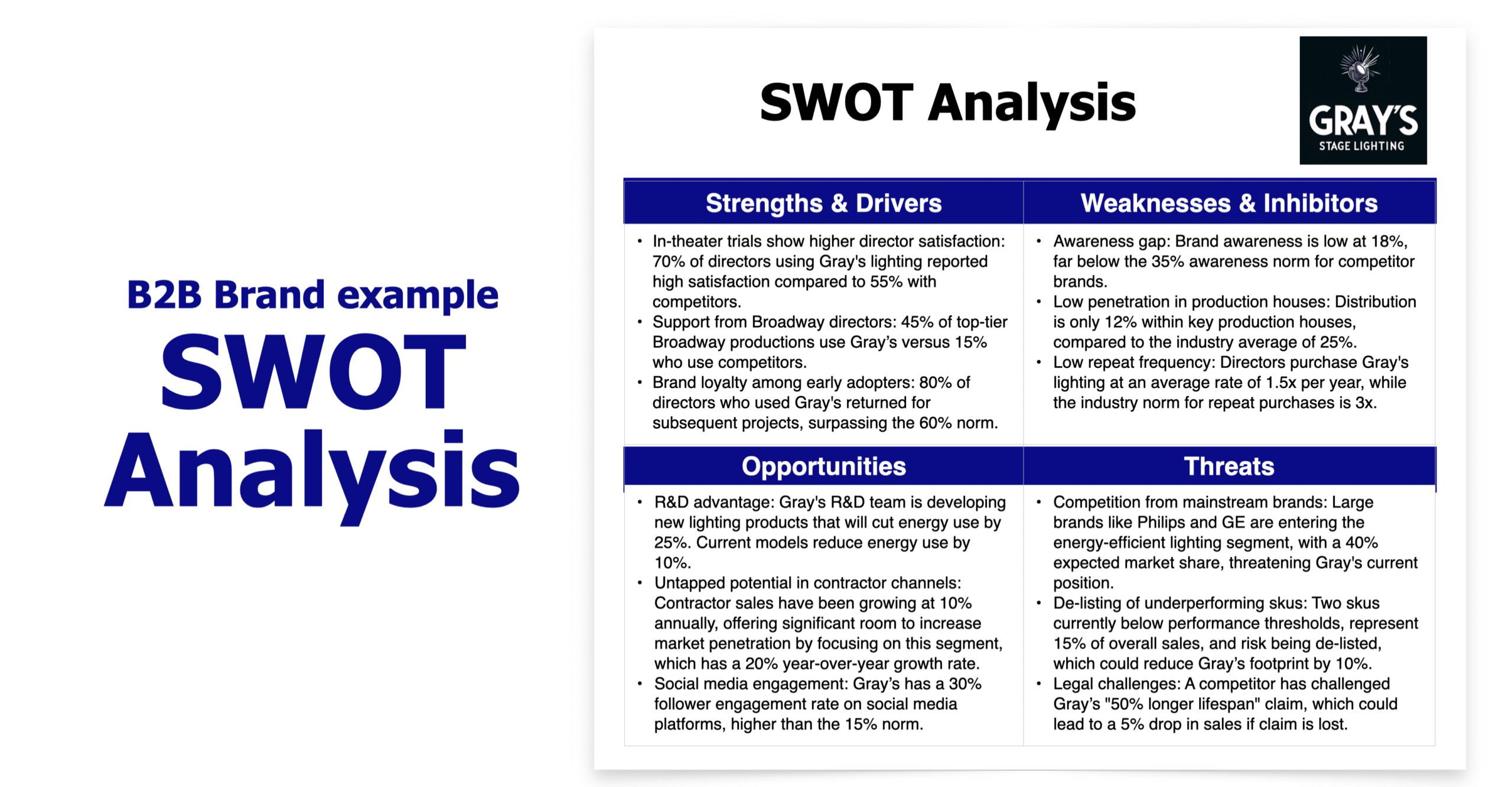
Questions to uncover penetration drivers
- How does your Advertising drive trial from new consumers?
- Which specific consumer target are you trying to get? Younger?
- Is there a change in the messaging that works with that target to trigger brand penetration?
- How are your new product launches helping to broaden the target audience, not just duplicate the main brand? Do the sub-brands capture different parts of the market without overlap?
- Are you balancing at-home vs. on-the-go usage to reach new, younger consumers?
- Does your retail activity drive penetration? Display, pricing, sampling?
- What are you doing with e-commerce to drive penetration?
- How are consumer insights being used to refine penetration strategies?
- What can be learned from competitor strategies to increase penetration?
More questions to uncover frequency drivers
- Which routines or rituals could you build that would naturally lift frequency?
- How do you build loyalty and stop consumers from switching to other brands
- Do your retail channels drive repeat purchases? Display, pricing, sampling?
- Can you use e-commerce to drive frequency?
- Which cross-promotions can you use with complementary products to boost frequency?
- Do seasonal promotions factor into your strategy for increasing frequency?
- Are there innovative sampling strategies to increase trial and repeat purchases?
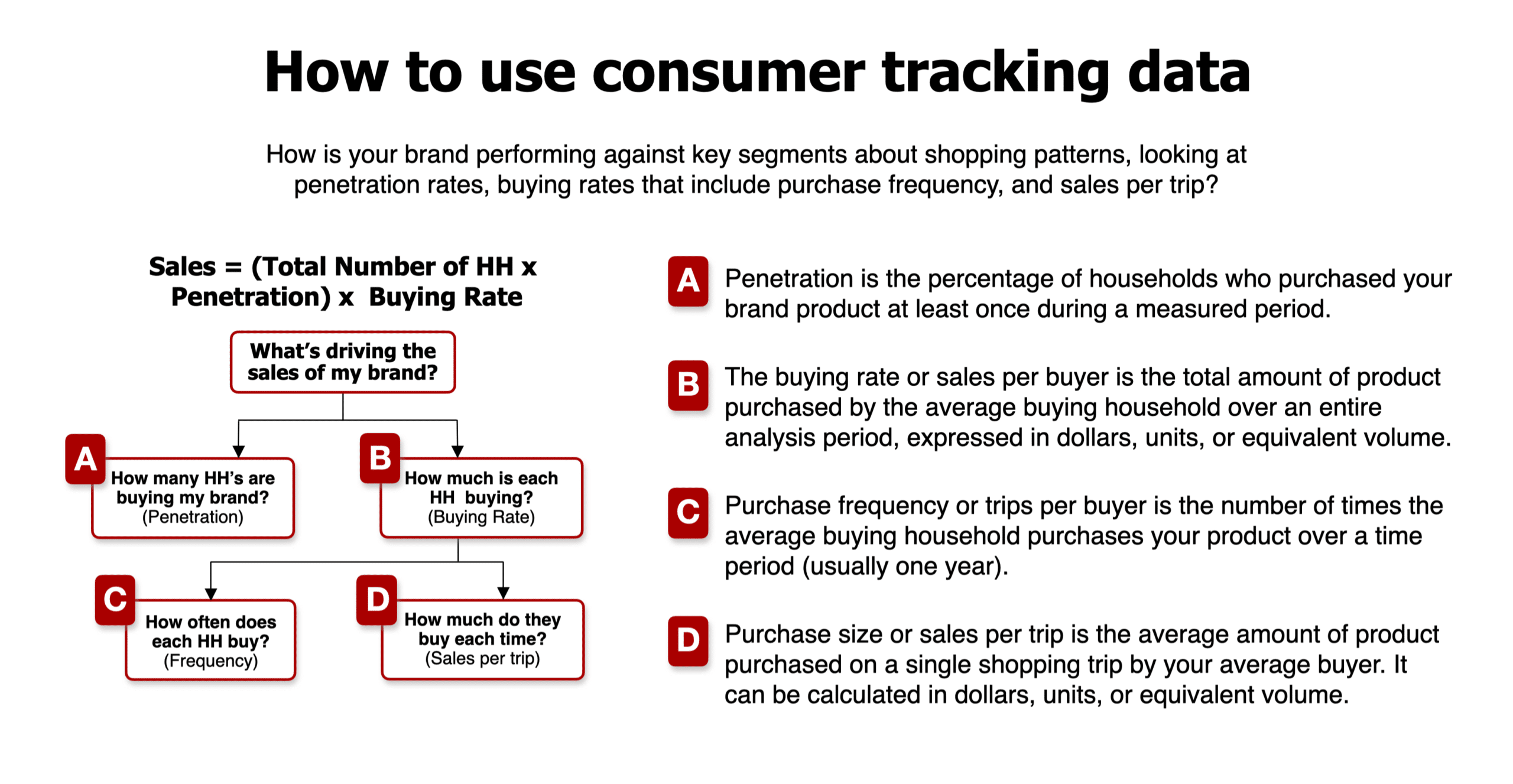


Questions to assess the consumer journey
Attract and inform - aware, consider, and search
- What are you doing to stand out to new potential consumers and be seen among the other brands?
- Are there any message shifts that move new consumers from awareness to consideration and trial?
- Where can you reach them?
- How do you solve questions or doubts in the consumer’s mind so they are willing to try?
- Which influencers or brand ambassadors could reach new audiences for you?
Close the sale and Service - buy and satisfied
- How can you earn the trust to close the deal and trigger a purchase?
- What post-purchase messaging on the package helps reinforce the purchase decision?
- Which incentives do you offer to encourage first-time purchases?
- Are you collaborating with retailers to ensure your product is prominently displayed and sampled by new customers?
- How does the product performance build happy experiences? What improvements can you make?
Delight - repeat, loyal, and brand fan
- How are you connecting emotionally to become a favorite to drive frequency?
- Have you considered e-commerce subscription models to drive regular purchases?
- Are there loyalty rewards or exclusive offers that make your brand a preferred choice?
- What share-worthy experiences can you use to trigger influence and new awareness among peers?
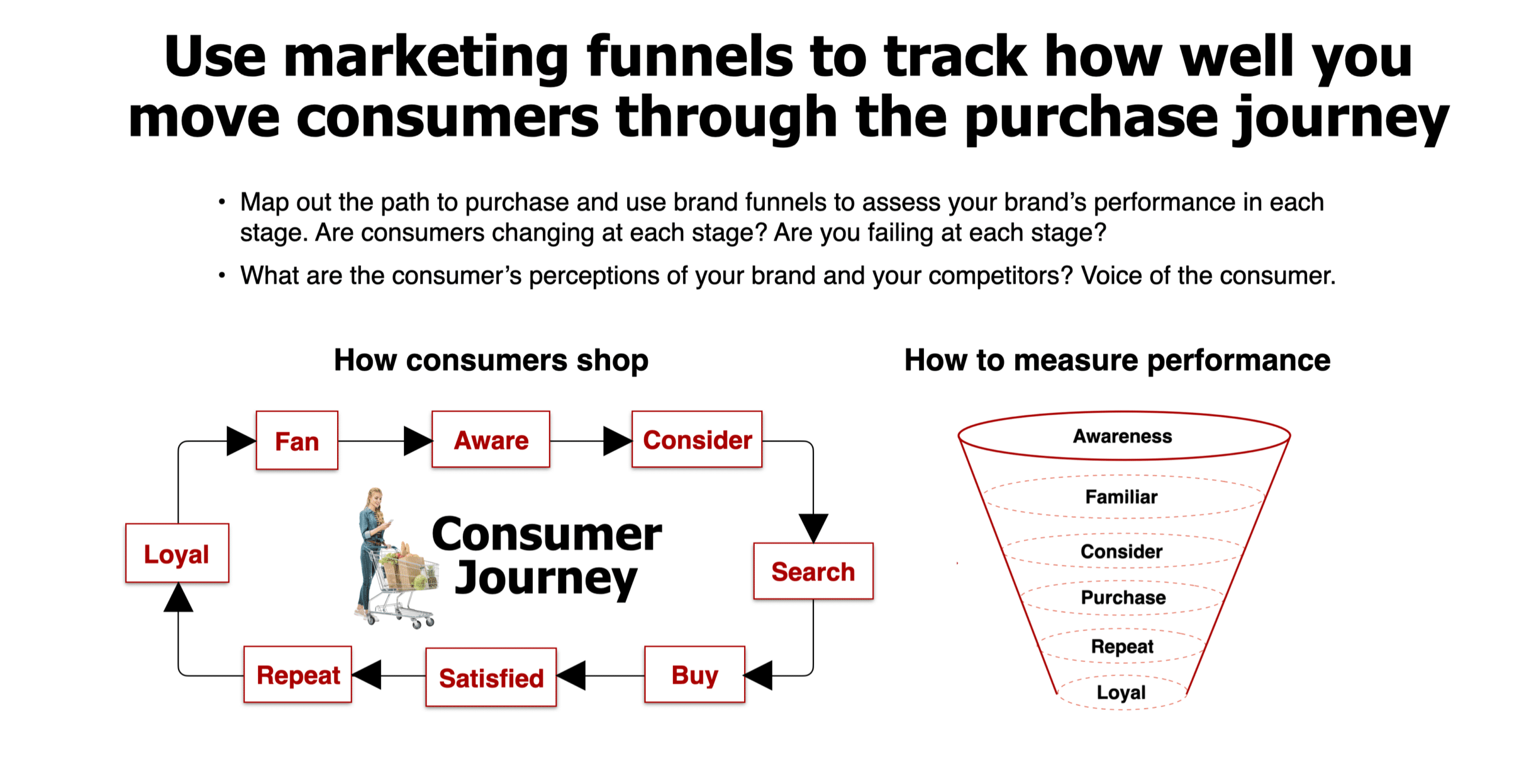
The SWOT is the bridge from analysis to your brand plan
The SWOT analysis marks the transition point between your business review and your brand plan. In turn, each quadrant sets up a strategic response:
- Continue or enhance the drivers behind your strengths.
- Minimize or reverse the inhibitors behind your weaknesses.
- Build specific plans to exploit the opportunities.
- Reduce or eliminate the most severe threats.
As you move from the SWOT into your key issues, every issue you name should trace back to something in the four quadrants. Therefore, if an issue shows up in your plan that never appeared in your SWOT, you skipped a step in your analysis.
Business Review templates
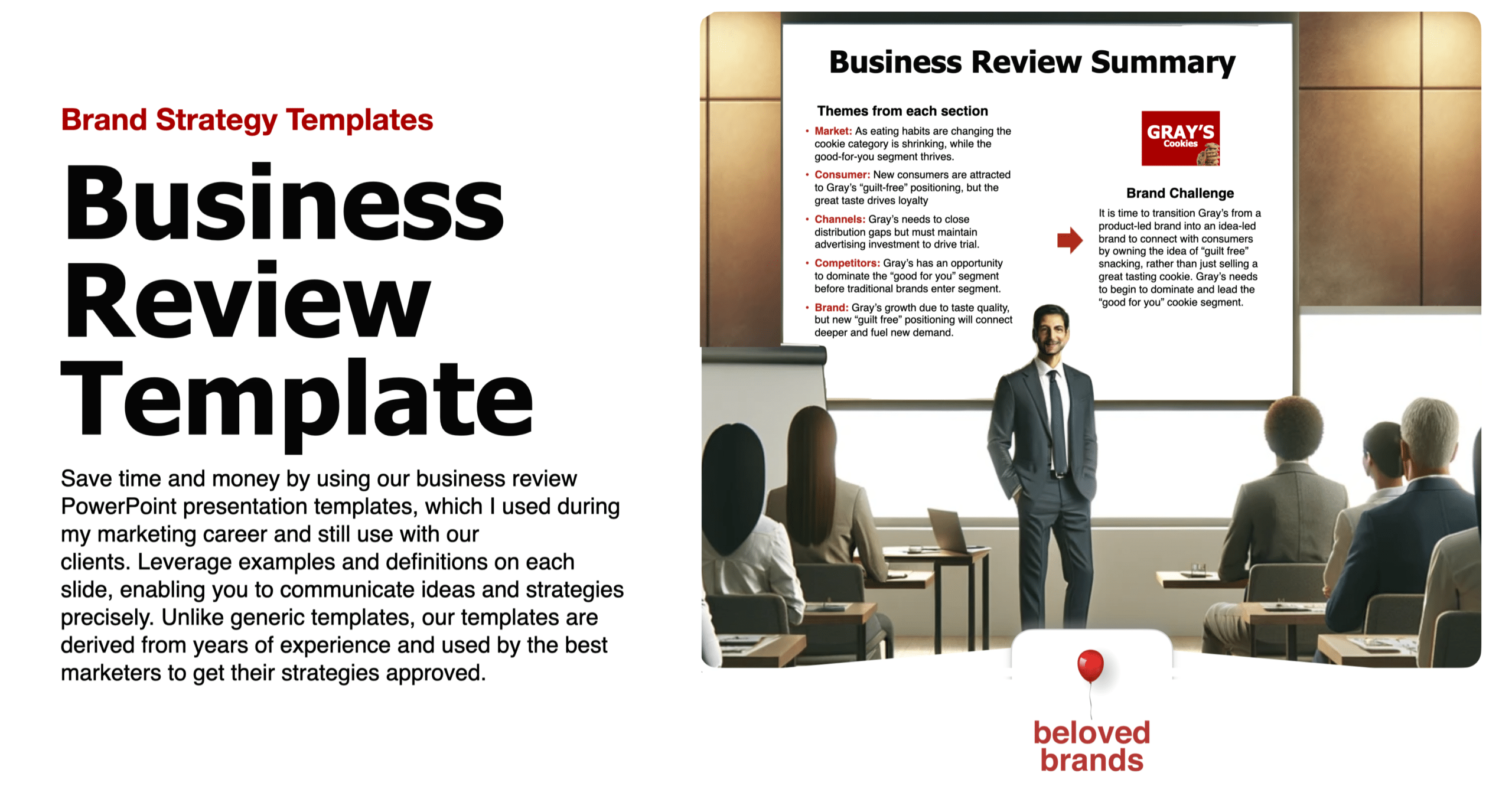
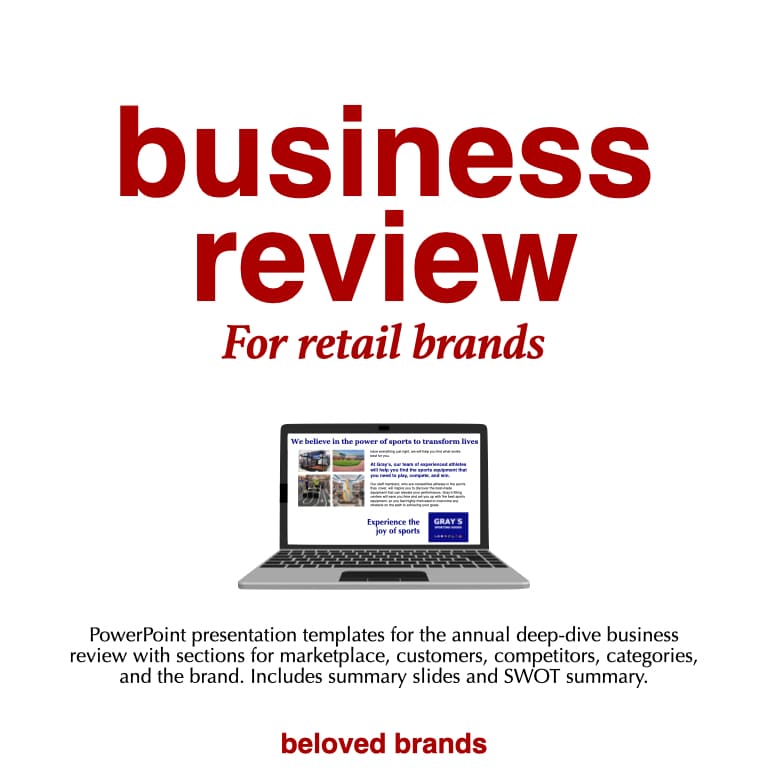
You can purchase our business review template which has been expertly designed by an ex-VP of Marketing.
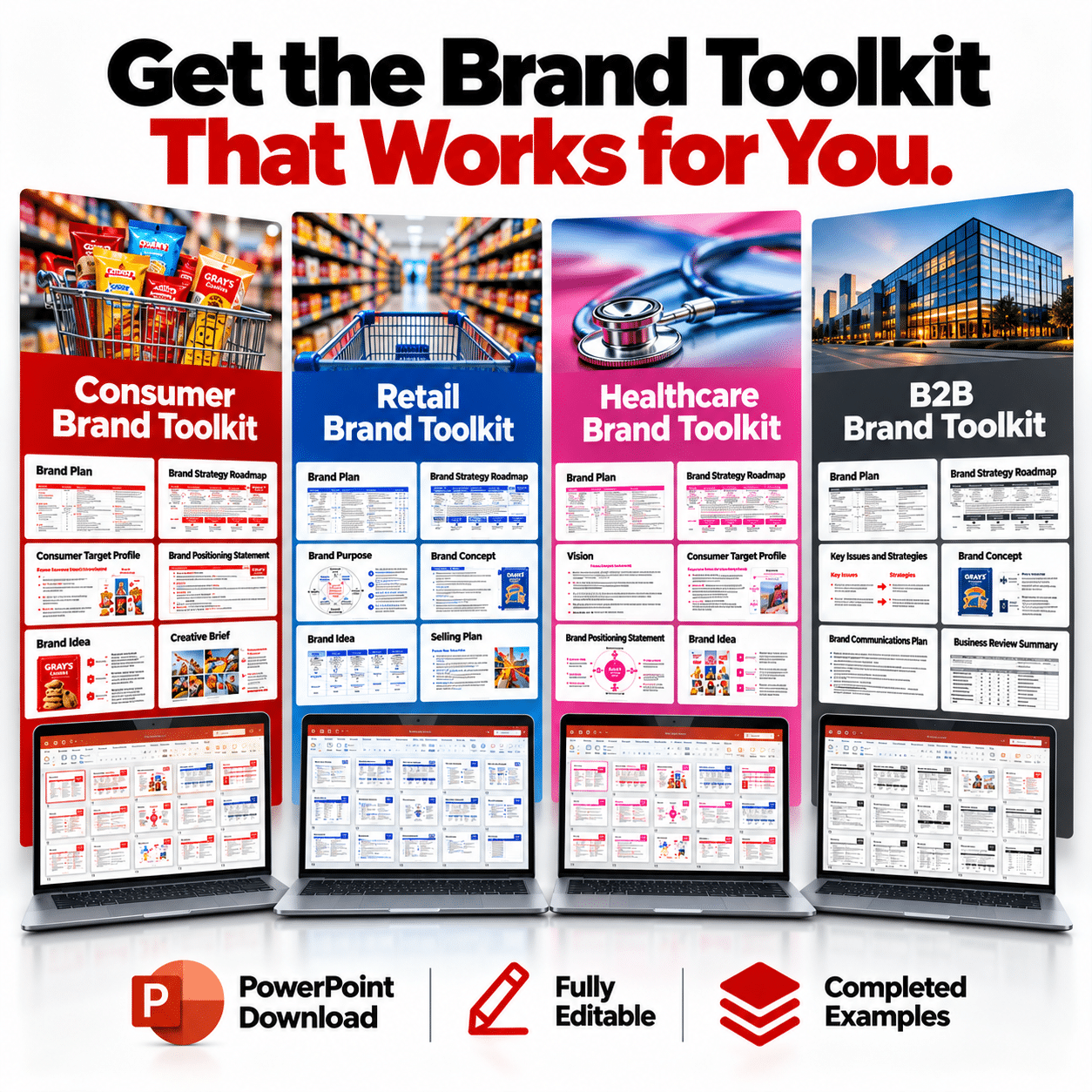
A SWOT analysis is a single slide in a deep-dive business review. Our business review template was designed by an ex-VP of Marketing, with examples and definitions on every slide so you can communicate your analysis with precision. These are the same templates the best marketers use to get their strategies approved.
Use our “How to lead a deep-dive business review” article to guide you: How to lead a deep-dive business review
Choose the right template for your business needs
Frequently Asked Questions - SWOT Analysis
What is a SWOT analysis in marketing?
A SWOT analysis is a one-page strategic summary of a brand’s strengths, weaknesses, opportunities, and threats. Specifically, in marketing it condenses the findings of a deep-dive business review into the four factors that shape the brand plan.
How many points should each SWOT quadrant have?
Narrow each quadrant to your top three points. Otherwise, teams that list ten items per box end up with an unfocused plan. Ultimately, the discipline of choosing three forces the strategic debate about what matters most.
What comes after the SWOT analysis?
The SWOT bridges into your brand plan. First, enhance your drivers. Then reverse your inhibitors, build plans to exploit opportunities, and act to reduce the biggest threats. Above all, your key issues should trace directly back to the four quadrants.
Who should be involved in a brand SWOT analysis?
The brand team leads it. However, the best sessions include sales, finance, R&D, and agency partners. As a result, cross-functional input surfaces the channel gaps and competitive threats a marketing team can miss on its own.