Most marketers think they’re strategic. Few actually are.
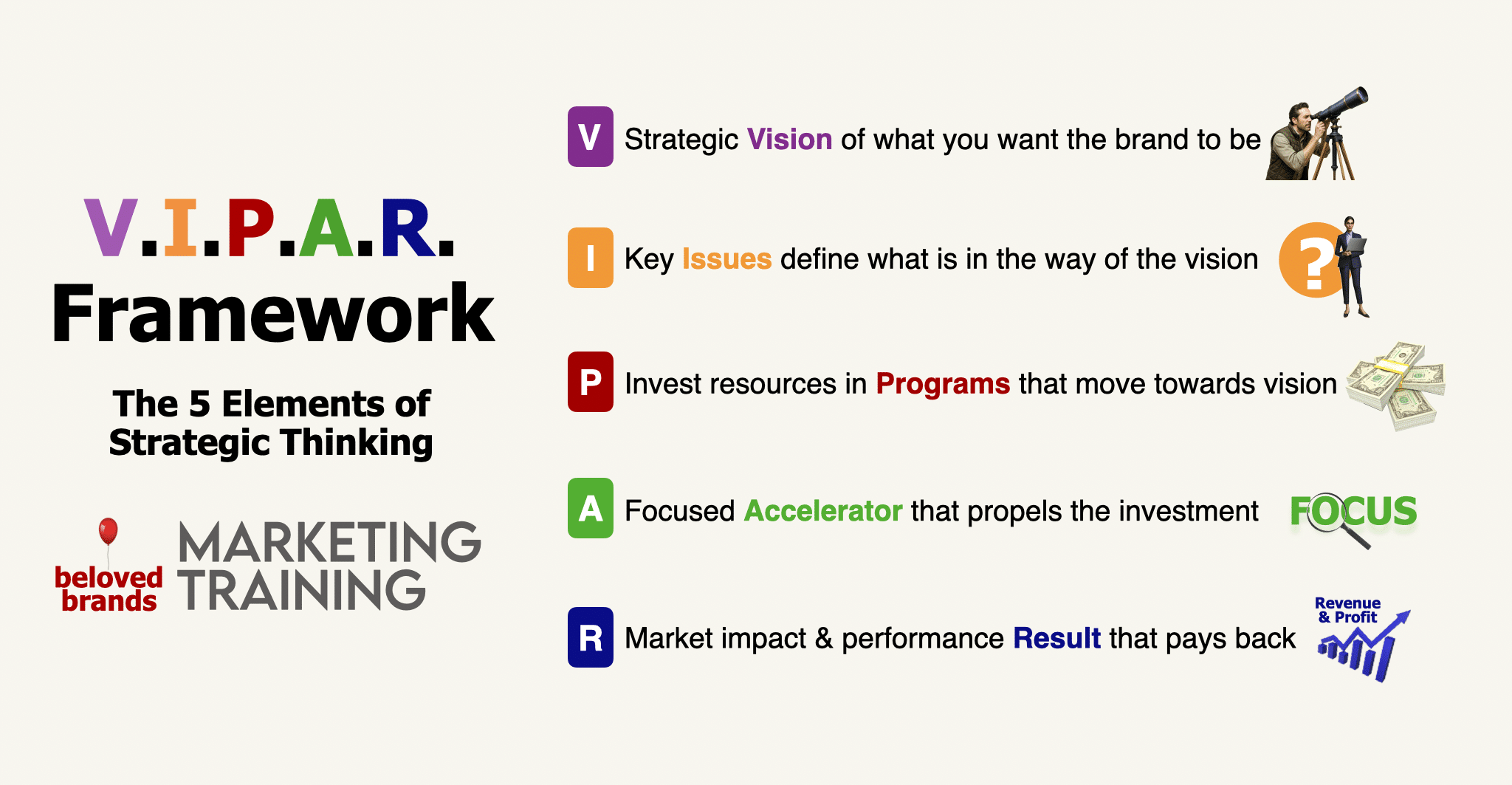
Strategic thinking isn’t a personality trait — it’s a discipline. The marketers who get promoted, win budget, and earn a seat at the table all use the same five-element structure to organize their thinking. We call it the V.I.P.A.R. Framework — a brand strategy system built around five elements: Vision, Issues, Program, Accelerator, Result.
Work through all five, and you have a defensible strategy you can present to your CFO, rally your team behind, and execute against. Skip any of them, and you have a wish list.
If your team can't think strategically, every plan suffers.
If you’re leading a marketing team, you already know whether they think strategically. You see it in every business review, every brand plan, every brief. Teams that ask the right questions before reaching for solutions consistently deliver sharper work. Teams that don’t deliver activity, not impact.
Strategic thinking isn’t a personality trait. It’s a learned discipline. And most marketers were never properly taught.
The pattern is consistent across every team I work with. Smart people. Working hard. Surrounded by data. Yet unable to define the key issue, unable to defend their strategy in one sentence, unable to connect their plan to a business result. The gap isn’t talent. It’s training.
Our Beloved Brands Marketing Training installs the exact discipline this article describes — the V.I.P.A.R. framework, the Strategic ThinkBox, and the methods that turn capable marketers into strategic thinkers.
Built and taught by a former J&J brand VP. Used by marketing teams at Hershey, Mondelez, Pfizer, the NFL Players Association, and across 30+ countries.


Strategic Thinking
The five elements of smart strategic thinking
Everyone says they are a strategic thinker, yet few are. Early in my career, I confess that I was more of an instinctual marketer. To learn to be a smart strategic thinking, we need to slow down and organize our thoughts. Here are the five elements that make up smart strategic thinking:
V: Vision
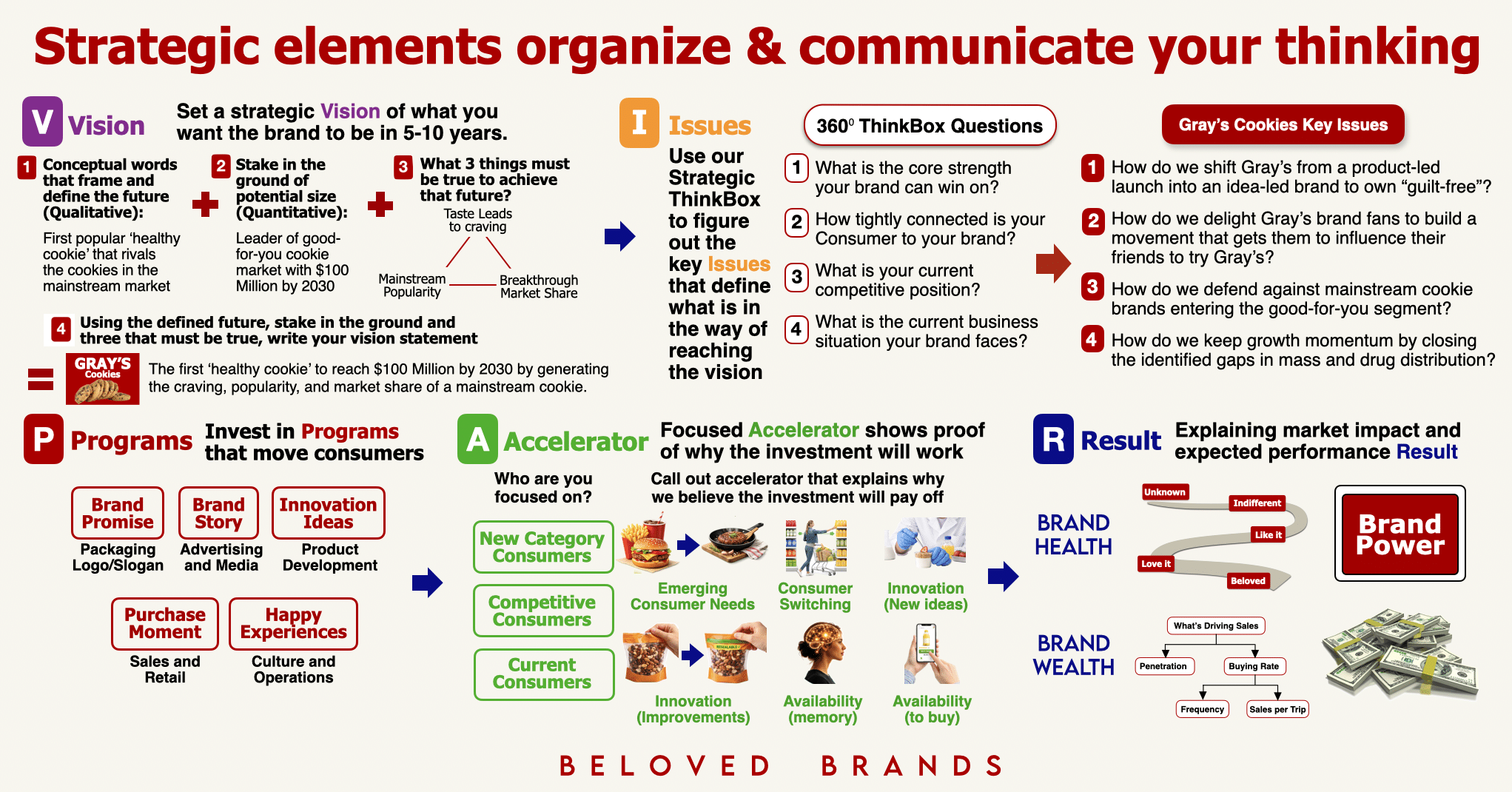
V. Set a vision of what you want for your brand
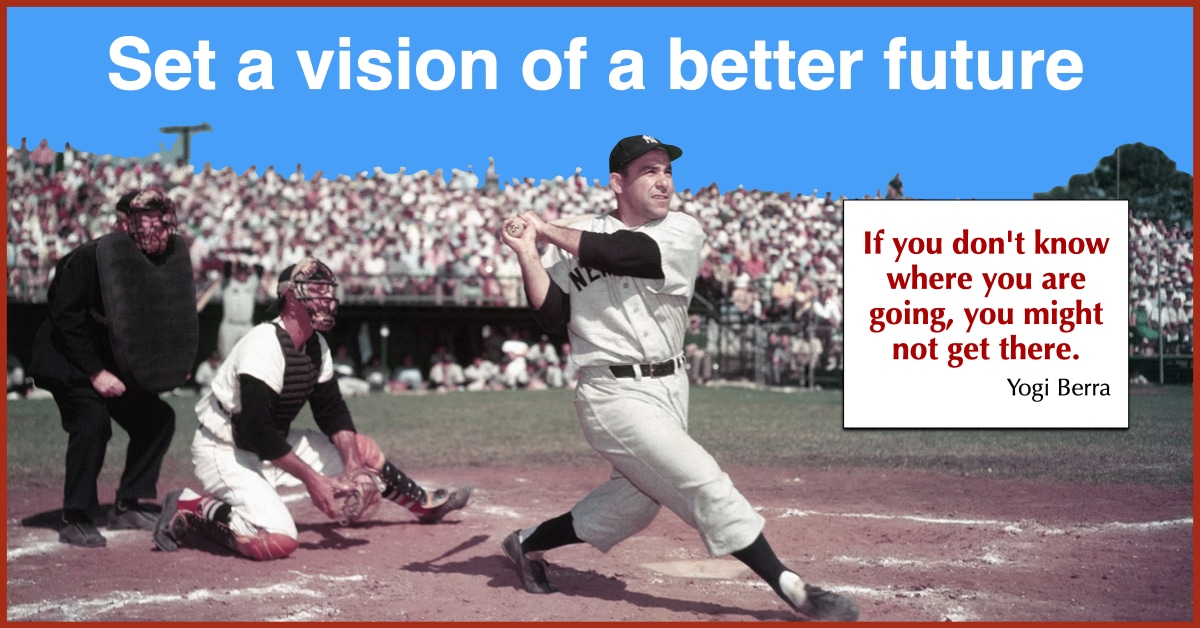
A vision sets aspirational stretch goals for the future, linked to a clear result or purpose. Write a vision statement in a way that scares you a little and excites you a lot. It should steer everyone who works on the brand to focus on finding ways to create a bond with your consumers that will lead to power and profit beyond what the product alone could achieve. As Yogi Berra famously said, “If you do not know where you are going, how will you know if you get there?”
To be a visionary, you must be able to visualize the future. Imagine it is five or 10 years from now and you wake up in the most fantastic mood. Visualize a perfect future and write down the most critical milestones you need to achieve. Even think about words that will inspire, lead, and steer your team towards your vision.
A smart strategic thinking starts with asking questions, a smart strategy must ask interruptive questions that frame the issues regarding what you want to achieve. Essentially, raising those issues early on can focus the team on the significant problems that need to be solved to get you on the path to your vision.
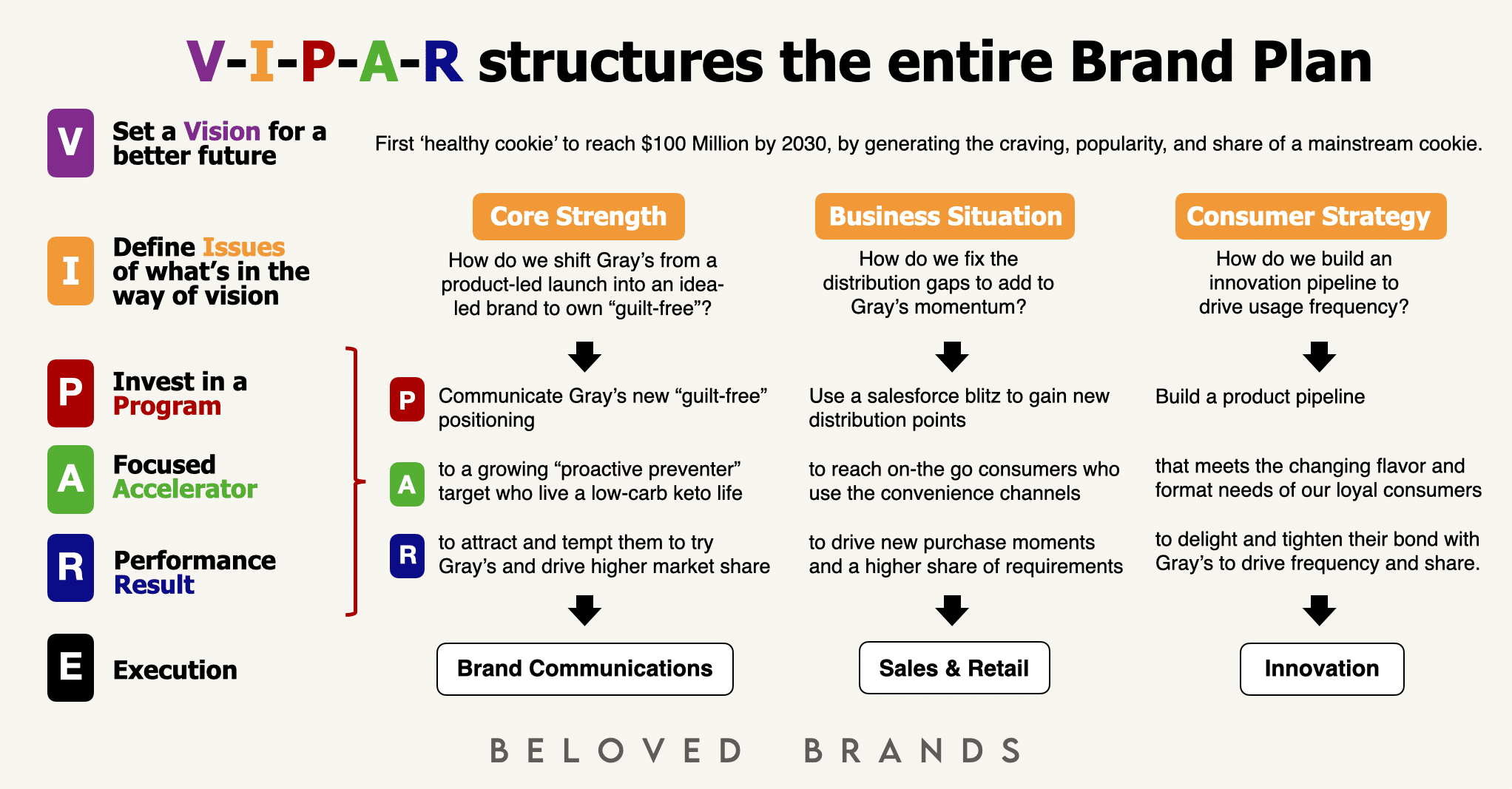
Vision for Gray's Cookies
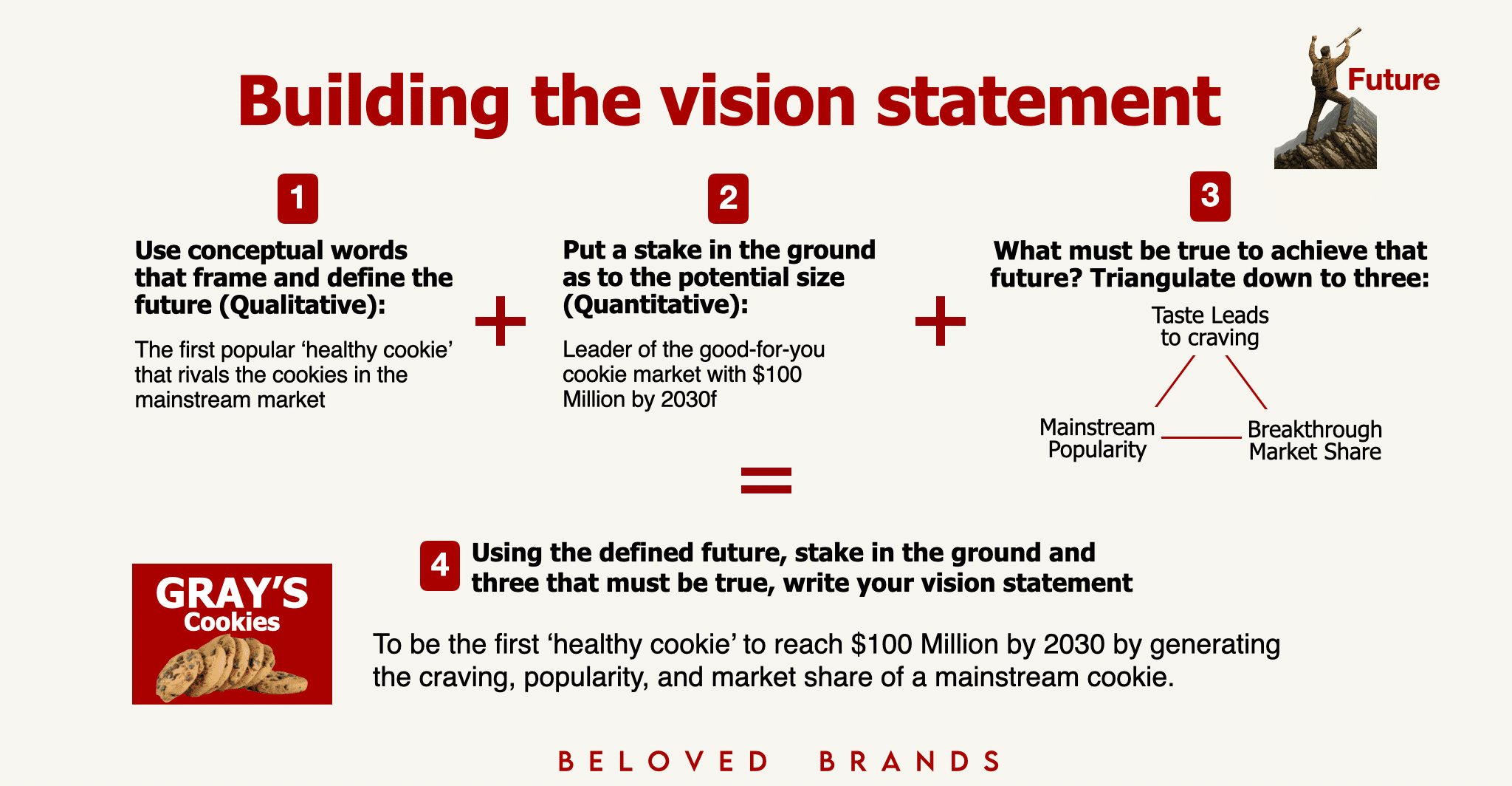
For Gray’s Cookies, the first part of the vision is to be “the first popular healthy cookie that rivals the cookies in the mainstream market.”
Strategic Thinking Model to help with your brand strategy and marketing plan
Next, put a stake in the ground as to the potential size, which becomes the quantitative part of the vision. For Gray’s, the second part of the vision is to be “the leader of the good-for-you cookie market with $100 Million by 2030.”
The third element of the vision is a triangulation of what must be true to achieve that future. For Gray’s Cookies, the three elements that must be true are
- Taste leads to craving:
- Mainstream Popularity
- Breakthrough Market Share
Using our technique, the ideal vision statement for Gray’s Cookies should be:
- To be the first ‘healthy cookie’ to reach $100 Million by 2030 by generating the craving, popularity, and market share of a mainstream cookie.
I: Key Issues
The four questions in our Strategic ThinkBox
As I created the Strategic ThinkBox, I designed it so that each of the four questions uses a forced-choice format, where you must focus on one possible answer for each question.
- What is the core strength that will help your brand win?
- How tightly connected is your consumer to your brand?
- What is your current competitive position?
- What is the current business situation your brand faces?
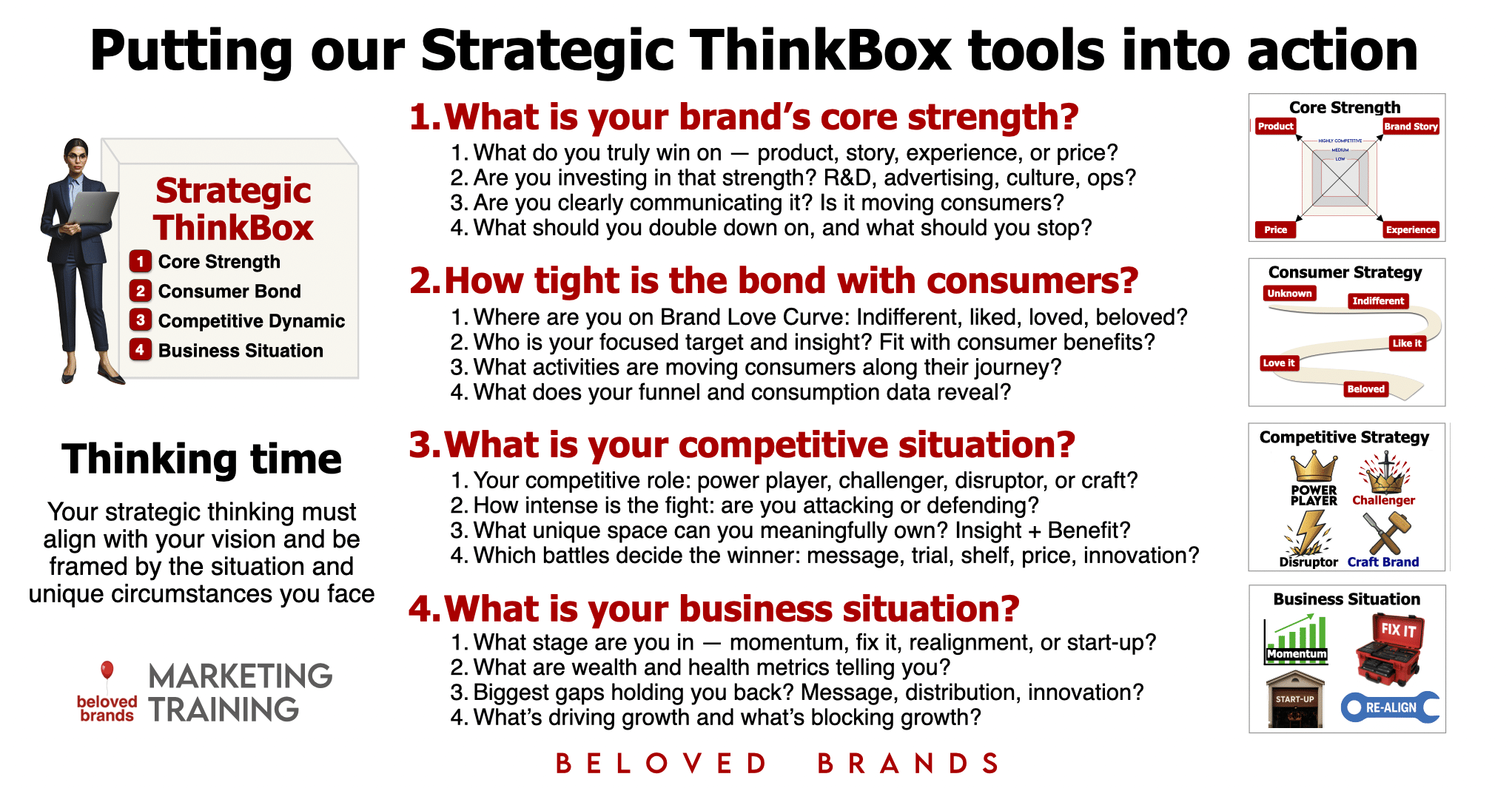
Core strength
Think of your core strength as your brand’s superpower or secret sauce that separates you from other brands. Is it your product, brand story, consumer experience, or price? Your core strength steers your entire strategy, including the brand messages and the focus of your investment.
Consumer strategy
Start by determining where your brand currently stands on the brand love curve, whether it is unknown, indifferent, liked, loved, or at the beloved stage. The goal is to tighten the bond with your consumer and move them from one stage to the next.
Competitive Strategy
Regarding the competitive strategy, you must choose from one of four competitive situations in which your brand operates. The dominant leader in the category is the power players, who take a competitive defensive stance. Challenger brands have gained sufficient power to compete head-to-head with the market leader. Disruptor brands have found a space so distinct that they can draw consumers away from the significant category players. Craft brands aggressively target niche markets with niche consumer benefits. They are small and stay far away from the market leaders. Each brand strategy situation leads to different strategy choices.
Business Situational Strategy
A brand must examine its situational strategy, which begins with understanding its brand health by considering both internal and external factors. Choose one of four potential situations: whether you keep the momentum going, face a business turnaround situation, realign everyone behind a strategy, or your brand is a start-up. Each situation calls for distinct strategies and leadership styles.
Use our Strategic ThinkBox tools to engage, trigger, and debate
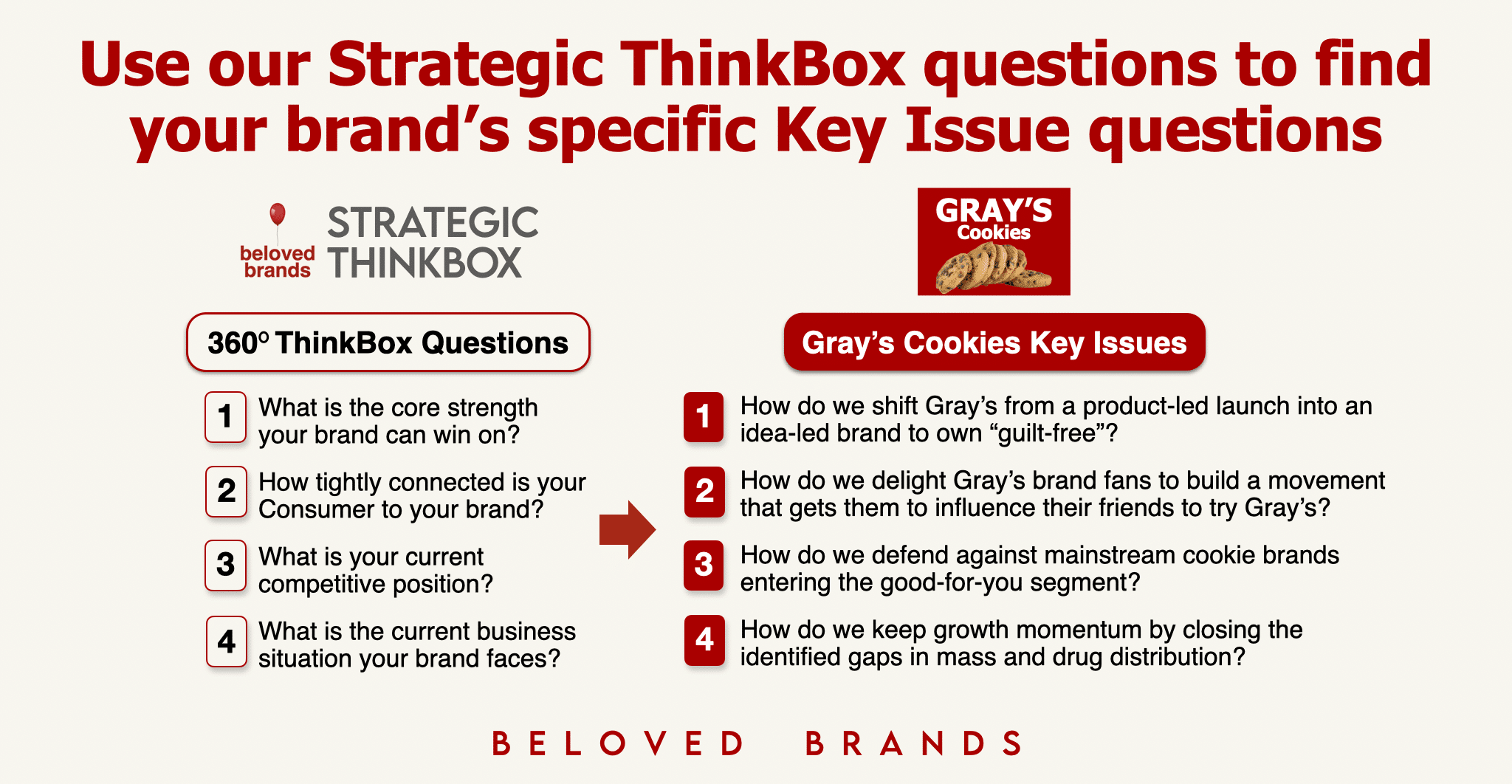
Putting each of the four answers together starts to map out the overall strategic direction where you should focus. When writing the brand plan, you should map out a specific key issue question for each of the four questions in your Strategic ThinkBox.
P: Program Investment
Invest resources in a building capabilities
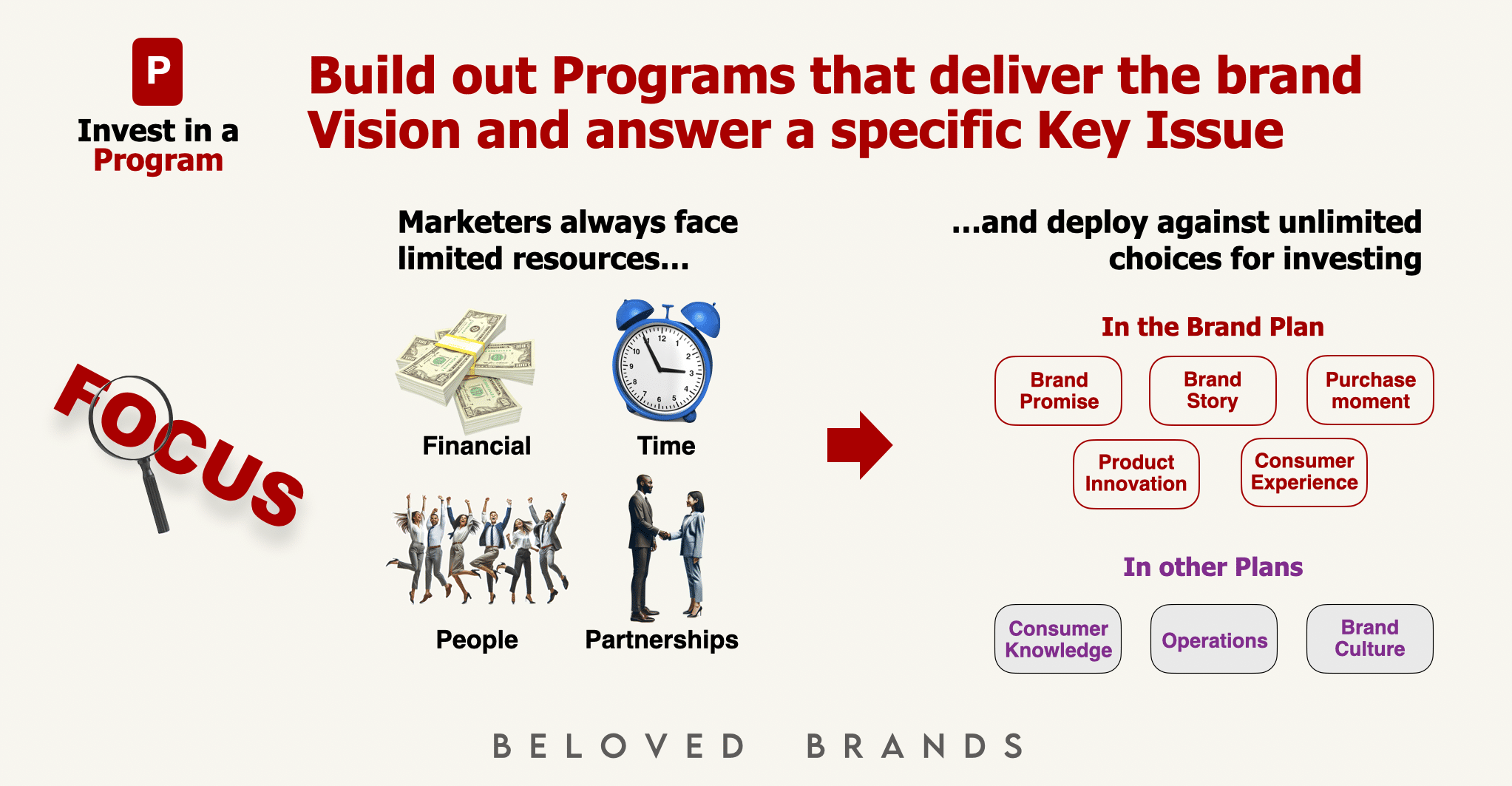
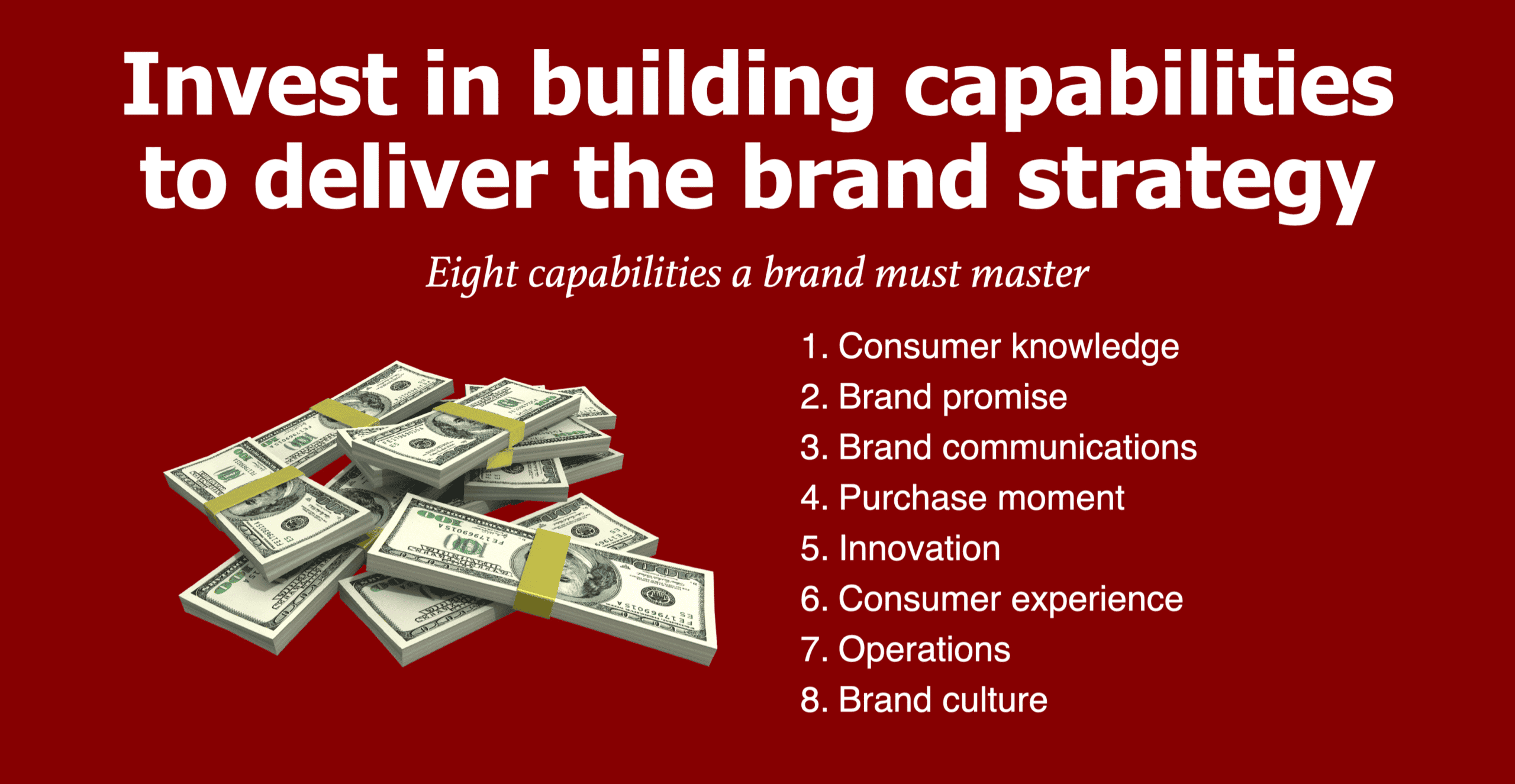
Invest your limited resources—money, people, time, partnerships—in strategic programs that build the capabilities needed to close the gap between your current projection and your aspirational vision. From a brand viewpoint, align your brand strategy to reinforce the brand promise, communicate the brand story, close the deal at the purchase moment, launch new product innovation, or create an ideal consumer experience.
These investments line up to deliver a brand’s consumer touchpoints so that you will tighten the bond with consumers. The result of the investment will be a more powerful, faster-growing, and profitable brand.
Consumer Knowledge.
Know your consumer better than your competitors know them. Focus on those who are most motivated with what you offer. Use moments of accelerated needs, enemies, and insights. Leverage data to understand what it takes to move consumers along their purchase journey.
Brand Promise.
Build brand positioning around your brand’s core strength, whether you lead with the product, story, consumer experience, or price. Combine the ideal functional and emotional benefits to create a brand idea that is unique, simple, ownable, inspiring to employees, and motivating for consumers. Use the brand idea to organize everything you do.
Brand Communications.
Use creative communications to capture attention, link to the brand, communicate the message and stick with consumers. Invest in media to attract, inform, close, service, and delight consumers when they are most open to moving along their purchase journey.
Purchase moment.
Use skilled salespeople to inform, close and service consumers. Close gaps in regions, channels, and with important customers. Match your brand strategy to their business strategy. Optimize the customer’s tools to achieve a competitive advantage at the purchase moment.
Innovation.
Invest in continuous exploration of new products and services to stay fresh with consumers and differentiate your brand. Inspire ideas, test, and deliver product extensions, improvements, new formats, brand stretching, game-changing technology, and blue ocean exploration.
Consumer Experience.
Alignment of the brand story that creates consumer desire with your employees’ delivery of a consumer experience that exceeds the consumer’s expectation. Operations, sales, and innovation must work together, and each understand their specific role in bringing the brand idea to life.
Operations strengths.
Use operations to create a competitive advantage that beats competitors based on speed, flexibility, cost, and simplicity through production process, ingredients, quality, sourcing, forecasting, supply, shipping, servicing, tracking, financial management, and measurement.
Brand culture.
An internal rallying cry that reflects your brand’s purpose, values, and motivations to inspire, challenge, and guide your people to provide their greatness on behalf of the brand. The quality of your people drives the success of your brand.
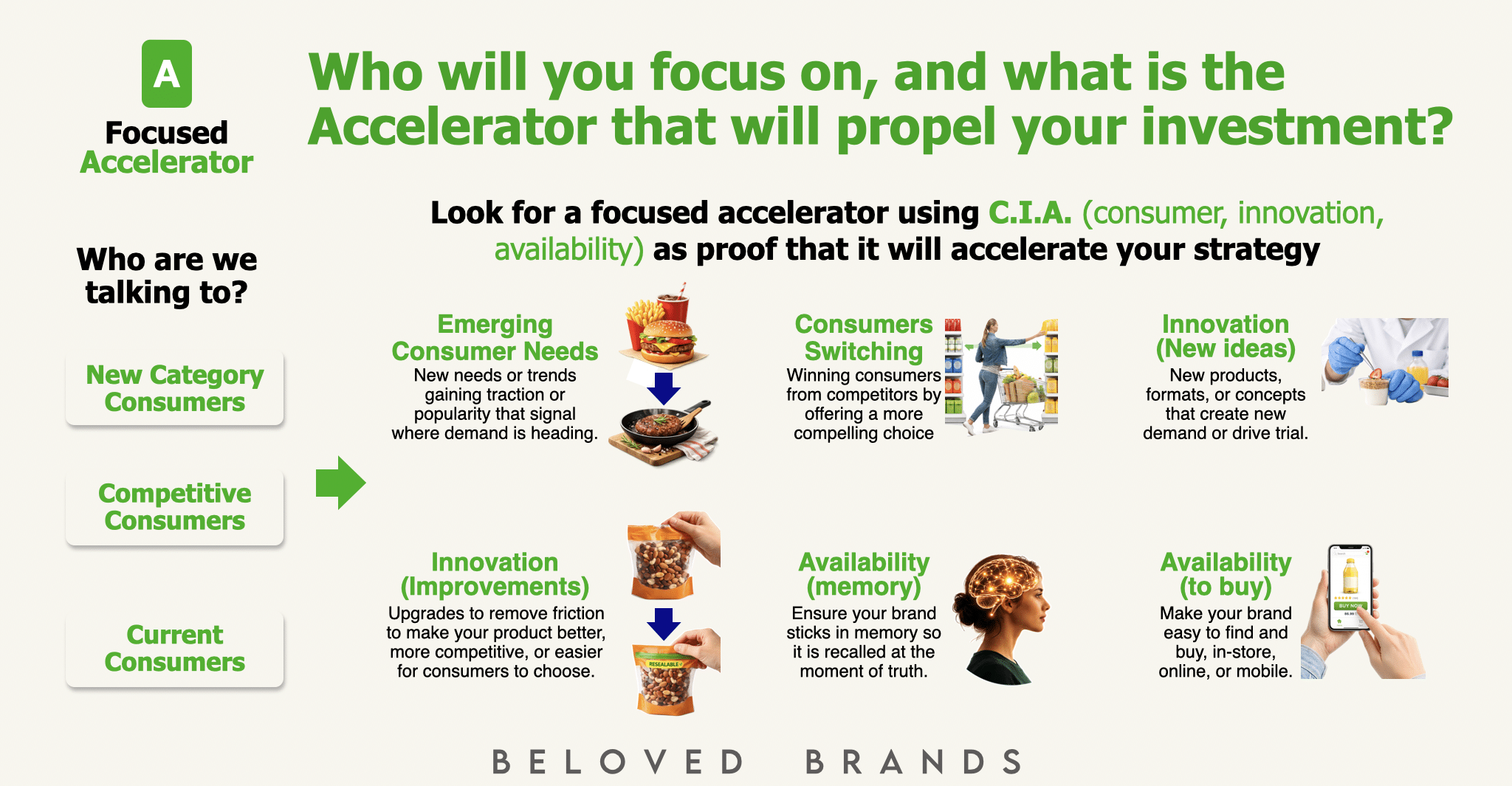
A: Accelerator
Focus on an identified accelerator
Focus your limited resources on a distinct opportunity you have identified based on a potential change in the market, including changes to consumers, competitive situation, technology, or sales channels.
In today’s data-driven world, everyone has access to the equivalent information and in turn, can see the same opportunities. Use speed to seize the opportunity before others can take action, and before that opportunity is gone. The best brand leaders never divide and conquer. Smart strategic thinking forces them to focus and win. Above all, the smartest brand leaders use the word “or” more often than they use the word “and.” If you come to a decision point, and you try to rationalize doing a little of both, you are not strategic. Force yourself to make choices.
Many marketers struggle to focus
Myth 1: The most prominent myth of marketing is to believe that your brand will get bigger if you have a broader target market.
Reality: Too many marketers target anyone. I will always argue that it is better to be loved by a few than tolerated by many. Smart strategic thinking focuses on creating a tight bond with a core base of brand fans, and then use that fan support to expand your following.
Myth 2: The second myth to becoming a more prominent brand is to believe a brand stands for everything. Some brands try to say everything possible with the hope the consumer hears anything.
Reality: Hope is never a strategy. To be loved by consumers, a brand must stand for something with a backbone and conviction. Trying to be everything to anyone ends up becoming nothing to everyone.
Myth 3: Your brand will achieve higher sales if you try to be everywhere, whether in every sales channel or on every possible media option.
Reality: If you went to Las Vegas and put a chip on every square, you would be bankrupt before midnight. Consequently, the worst marketers lack focus because they fear missing out on someone or something. By trying to be everywhere, the brand will drain itself and eventually end up being nowhere.
Every brand has limited resources, whether they are financial, time, people, or partnerships. Marketers always face the temptation of an unlimited array of choices, whether in the possible target market, brand messages, strategies, or tactics. Smart strategic thinking limits their choices to match up to their limited resources, to focus on those that will deliver the highest return.
When you focus, five amazing things happen to your brand:
- Stronger return on investment (ROI). First, when you focus your dollars on the distinct breakthrough point or against a program that you know will work, you will see the most positive and efficient response in the marketplace.
- Better return on effort (ROE). Second, you must make the most efficient use of your limited people resources. Find the Big Easy! Focus on the ideas with the most significant impact that is the easiest to execute. Avoid those ideas that are small and difficult to implement. While you may not always have the data to calculate your ROI, you should have the instincts to figure out your return on effort (ROE).
- Stronger reputation.Third, when you limit your audience and brand message, you will have a better chance to own that reputation among that core target audience.
- More competitive. Then, when you focus your message to a specific target audience, your brand will start to create a space in the market, and you can defend against others from entering that space.
- More investment behind the brand. Finally, when you focus and deliver business results, your management team will ask you to do that again. They will give you more money and more people resources. Even with increased resources, you must take the same focused approach.
R: Result
Leverage the breakthrough market impact
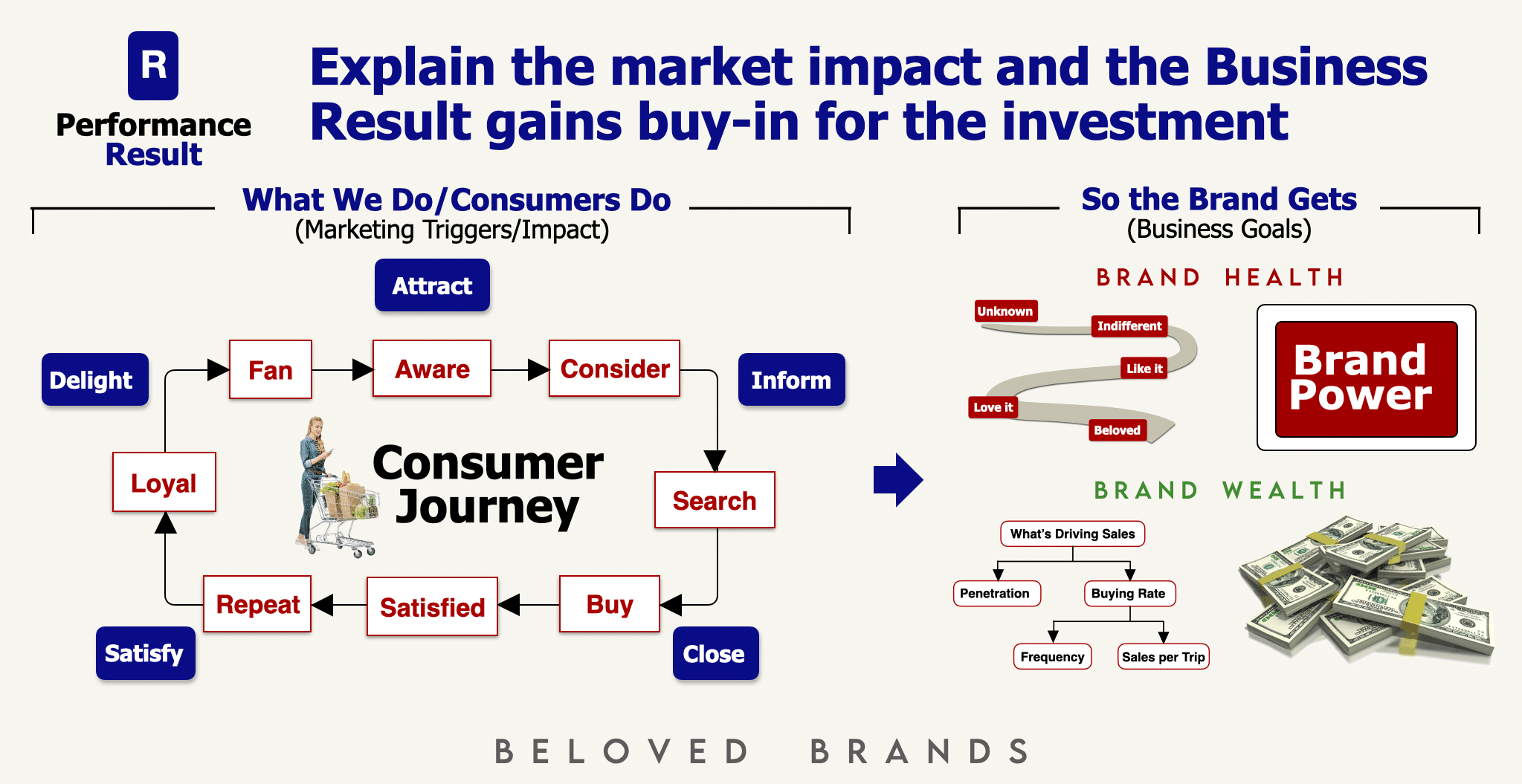
Smart strategic thinking turns an early breakthrough win into a shift in momentum, positional power, or tipping point where you begin to achieve more in the marketplace than the resources you put in.
Many underestimate the need for an early win. I see this as a crucial breakthrough point where you start to look at a small shift in momentum towards your vision. While there will always be doubters to every strategy, the results of the early win provide compelling proof to show everyone the plan will work. You can change the minds of the doubters—or at least keep them quiet—so everyone can stay focused on the breakthrough point.
The magic of strategy happens through leverage, where you can use the early win as an opening or a tipping point where you start to see a transformational power that allows you to make an impact and achieve results in the marketplace. A smart strategy should trigger the consumer to move along the buying journey from awareness to buy and onto loyalty, and it can help tighten the consumer’s bond with the brand.
Performance result that pays back
The shift in positional power in the marketplace moves your brand toward your vision and creates a future pathway to building a consumer bond, brand power, and brand profitability.
A brand can become powerful compared to the consumers they serve, the competitors they battle, the channels they sell through, the suppliers who make the products or ingredients, the influencers in the market, any media choices and the employees who work for the brand. We explored these eight sources of power in the opening chapter.
You can drive profit through premium pricing, trading consumers up on price, finding a lower cost of goods, using lower sales and marketing costs, stealing competitive users, getting loyal users to use more, entering new markets or finding new uses for the brand. We explored these eight ways a brand can add to their profitability in the opening chapter. For a strategy to work, what pays off in the marketplace must pay off in brand power or business results.
Strategic Thinking example
Smart brand strategy for the Gray's Cookies brand
We will use the fictional Gray’s Cookies as a case study. Gray’s Cookies are the ultimate healthy cookie, which is excellent tasting, low fat, low calorie and made from the best ingredients. I did mention it was fictional. This cookie is battling the major mainstream competitors, starting from a small niche with a core target market of fans who are beginning to love the brand.
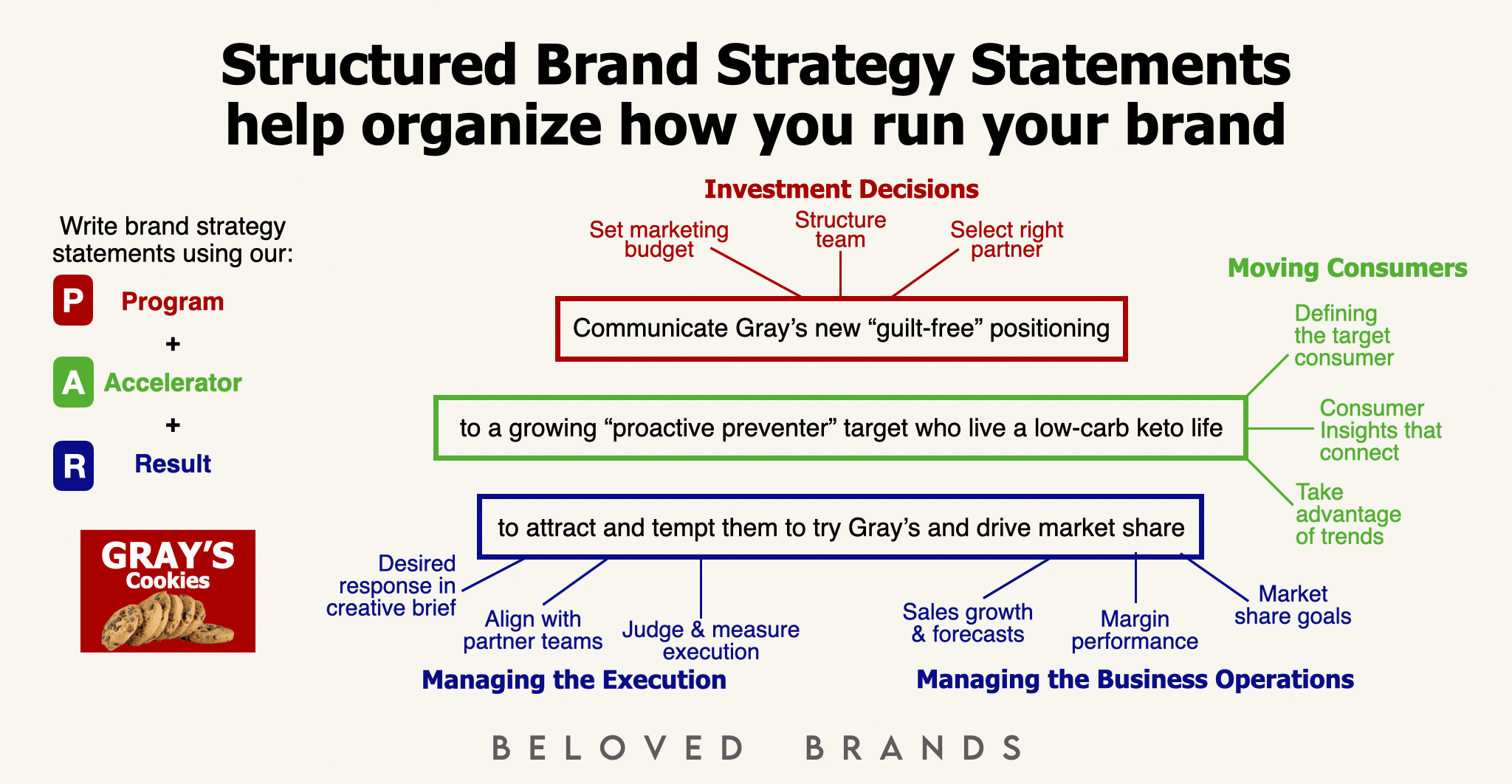
P. Invest resources in building capabilities
- Next, at the rapid growth stage, Gray’s needs to build a strong bond with consumers, and address the distribution gaps while battling any mainstream brands who could enter the healthy cookie segment.
A: Focus on an identified opportunity
- Then, Gray’s Cookies recognizes the opportunity created by the consumer shift to healthy choices. If they can take the dominant power player role in the healthy cookie segment, they can drive a high market share in a rapidly growing category.
R. Achieve a performance result that pays back
- Finally, to realize the potential, Gray’s Cookies is the dominant power player in driving high trial and significant market share results to gain additional shelf space in the retail stores. Gray’s will bring mainstream cookie users over to drive higher sales and establish itself as the dominant “healthy cookie” brand.
Strategic Plan
Build your skills with our post on how to write a strategic plan
One of the most important skills marketers need is the fundamentals of writing a brand strategy statement that informs the plan. Learn how to write a vision, purpose, key issues, strategies, and tactics. We have all the brand plan definitions, with examples and templates.