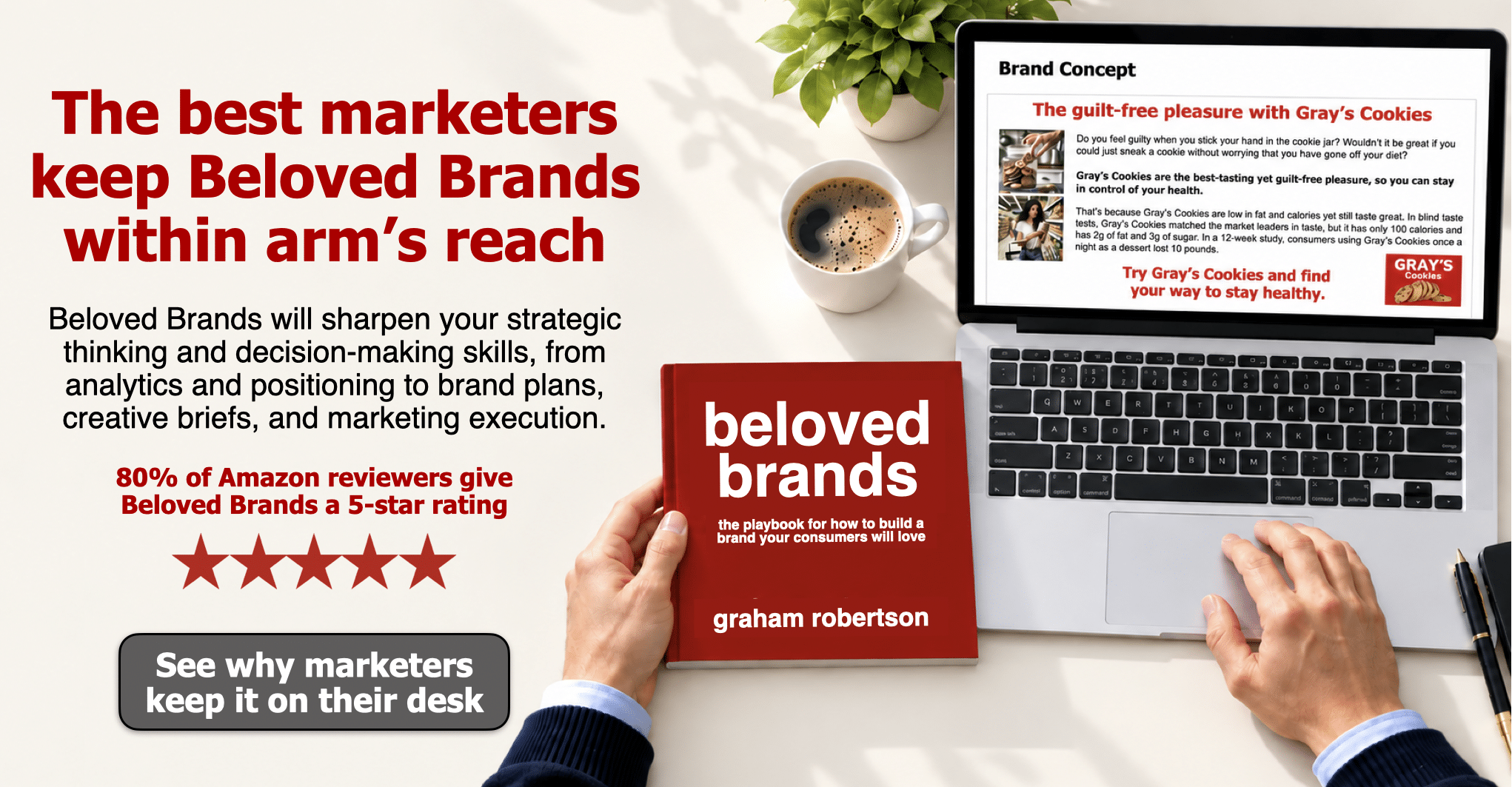
The Brand Concept Gap Nobody Talks About
Most brand teams do the hard strategic work — they nail the consumer target, write a tight positioning statement, and land on a compelling brand idea. Then they hand it to the agency and hope something good comes back.
That gap between strategy and execution is where brands get lost.
A brand concept is the bridge. It takes everything you know about your consumer and your brand and compresses it into a single, focused expression — one main benefit, two support points, a consumer insight that makes people stop and think “that’s exactly how I feel,” and a call to action that drives purchase intent.
Think of it like a 30-second TV spot or a digital billboard. If it doesn’t land in that format, it won’t land in market either.
The mistake most brand teams make is trying to say everything.
They load the concept with five benefits, three RTBs, a brand history, and a price promotion. The concept passes the internal review because everyone’s pet message is in there. Then it fails in research because consumers can’t tell you what the brand stands for.
This guide will show you how to write a brand concept that’s tight enough to test, clear enough to execute, and strong enough to win — with examples across CPG, B2B, healthcare, tourism, and retail.
How to build a Brand Concept - Table of Contents
What is a brand concept?
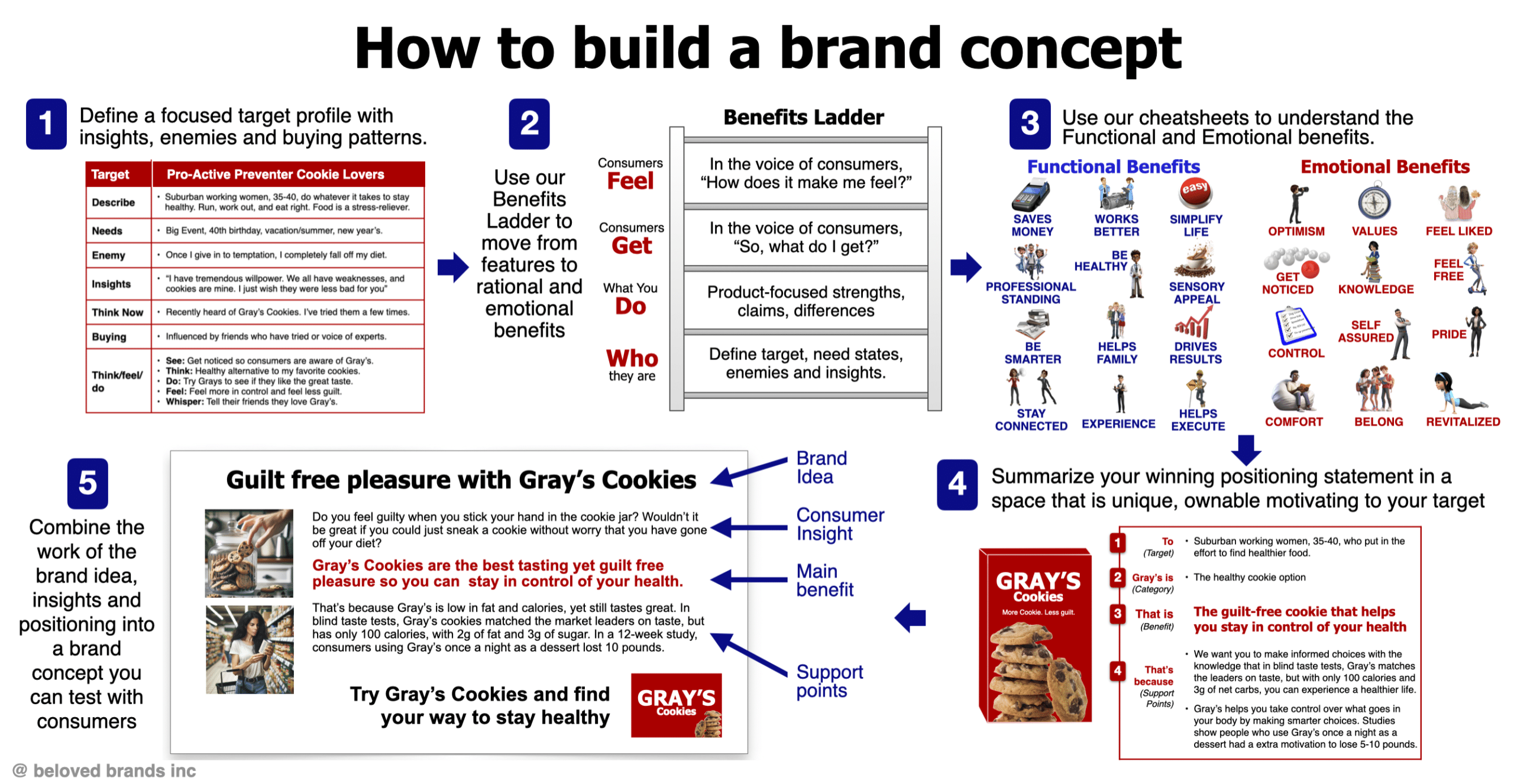
Before you start, do the homework on your consumer target profile, brand positioning statement, and brand idea. Then, you will be ready to write a brand concept.
Be as realistic a manner as possible. Narrow down to one main benefit and two support points. Moreover, think of it as fitting on your package, a print ad, or a sales pitch. Too many brand leaders try to write concepts that include everything. They put in a long list of claims and reasons to believe.
There is no value in writing a cluttered concept with every possible point just to pass a test. You will find yourself unable to execute that concept in the market. That’s just not realistic.
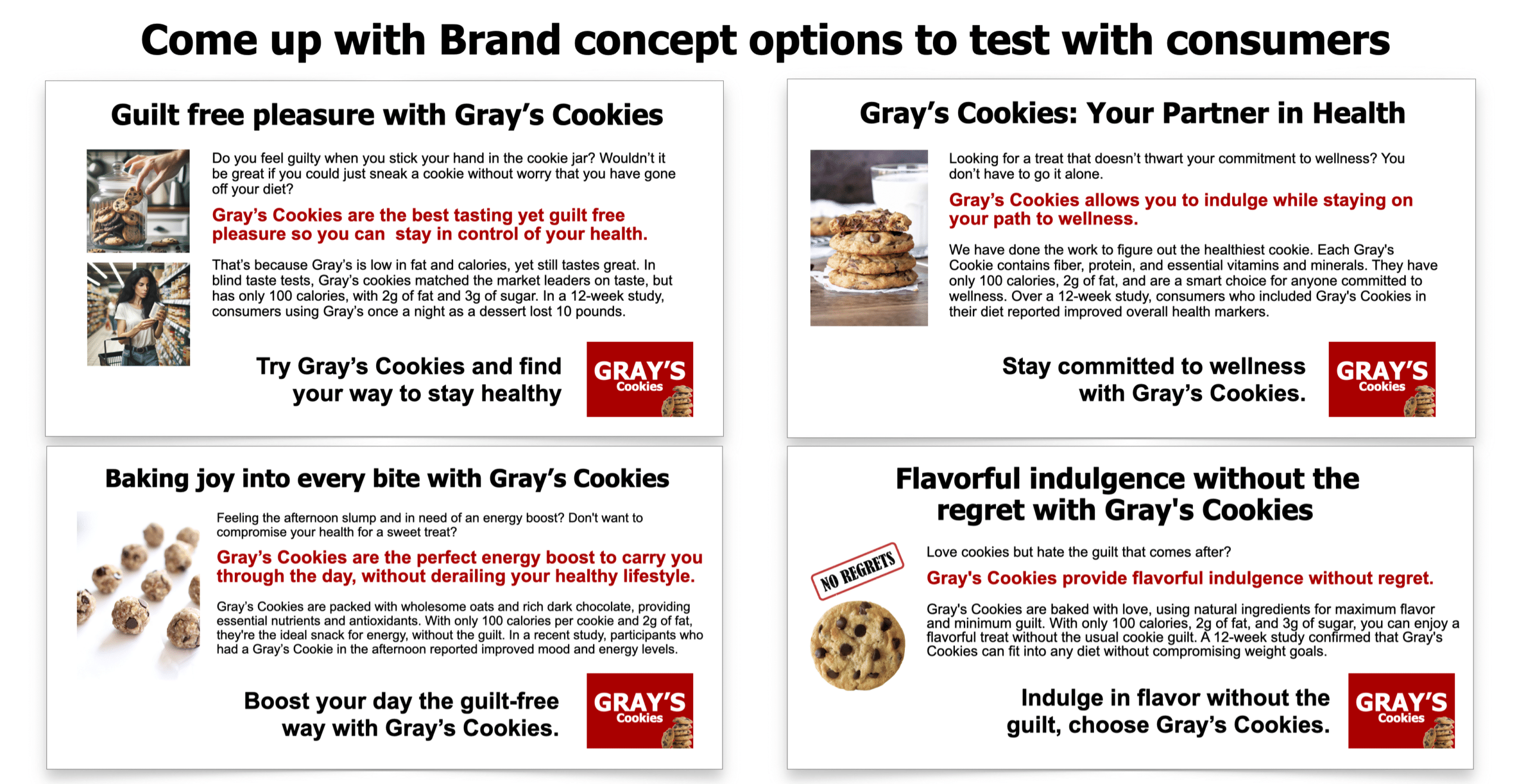
When testing brand concepts with consumers, write a few different options. You can use qualitative focus groups or quantitative testing. You can also use this process for new product concepts.
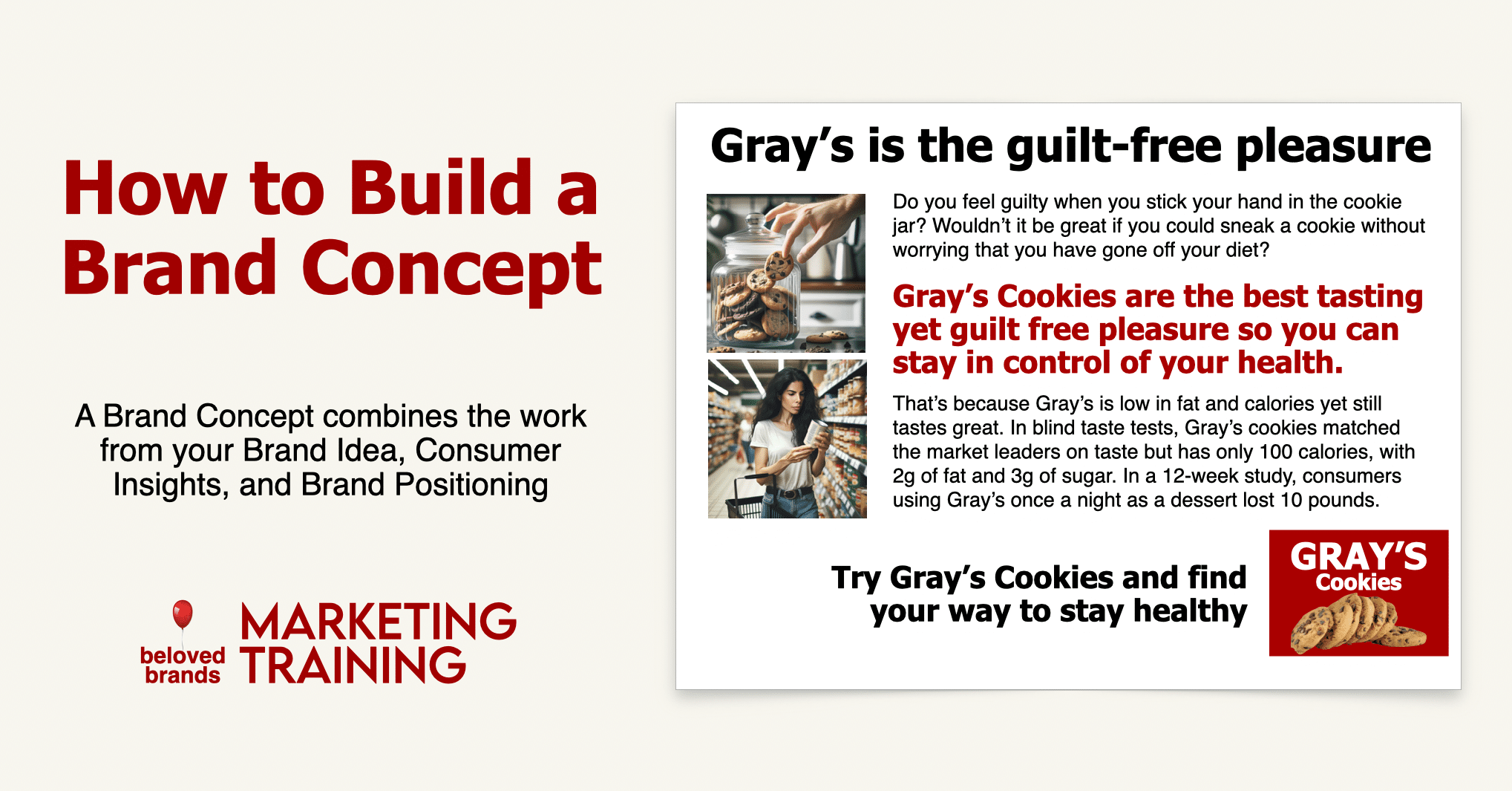
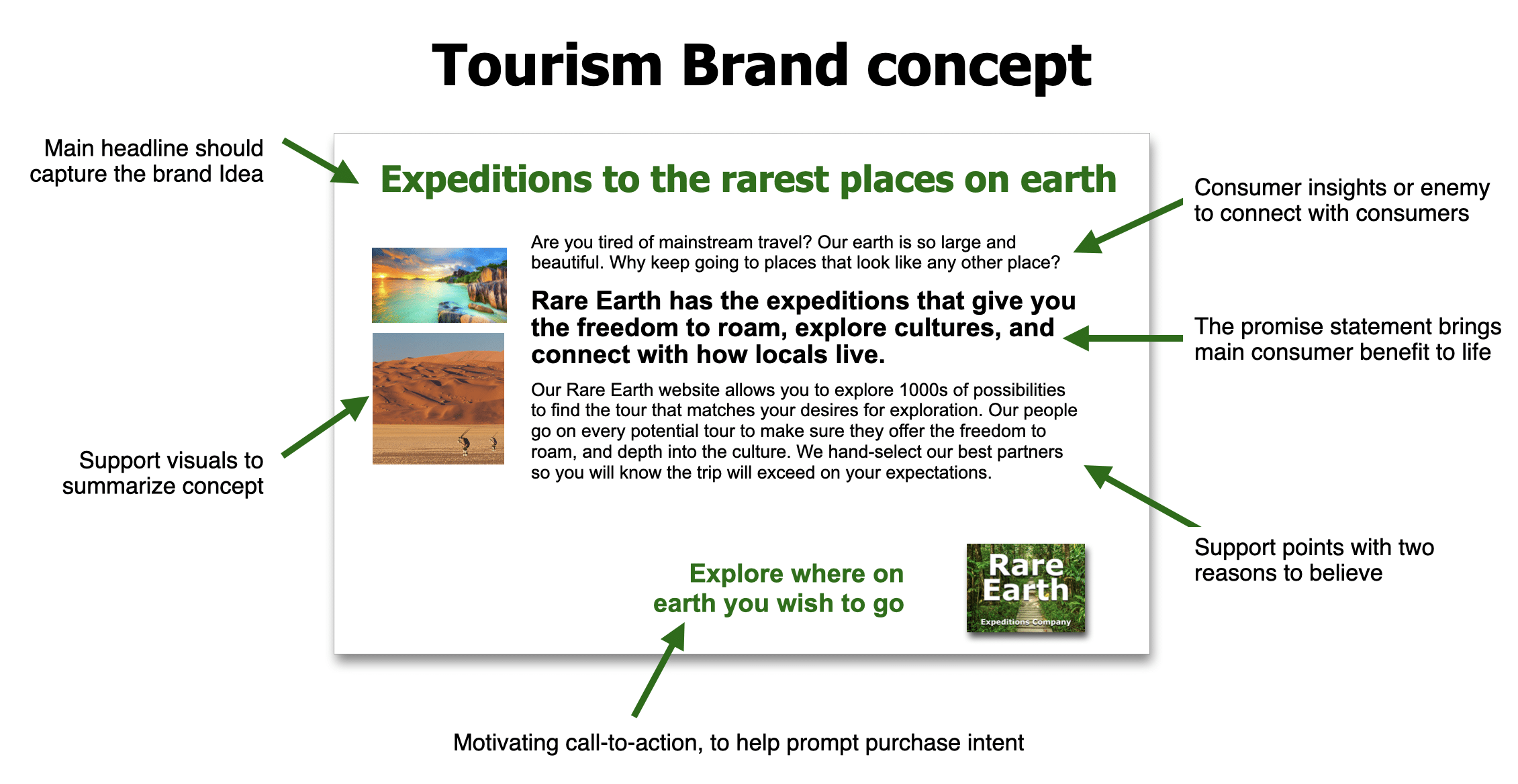
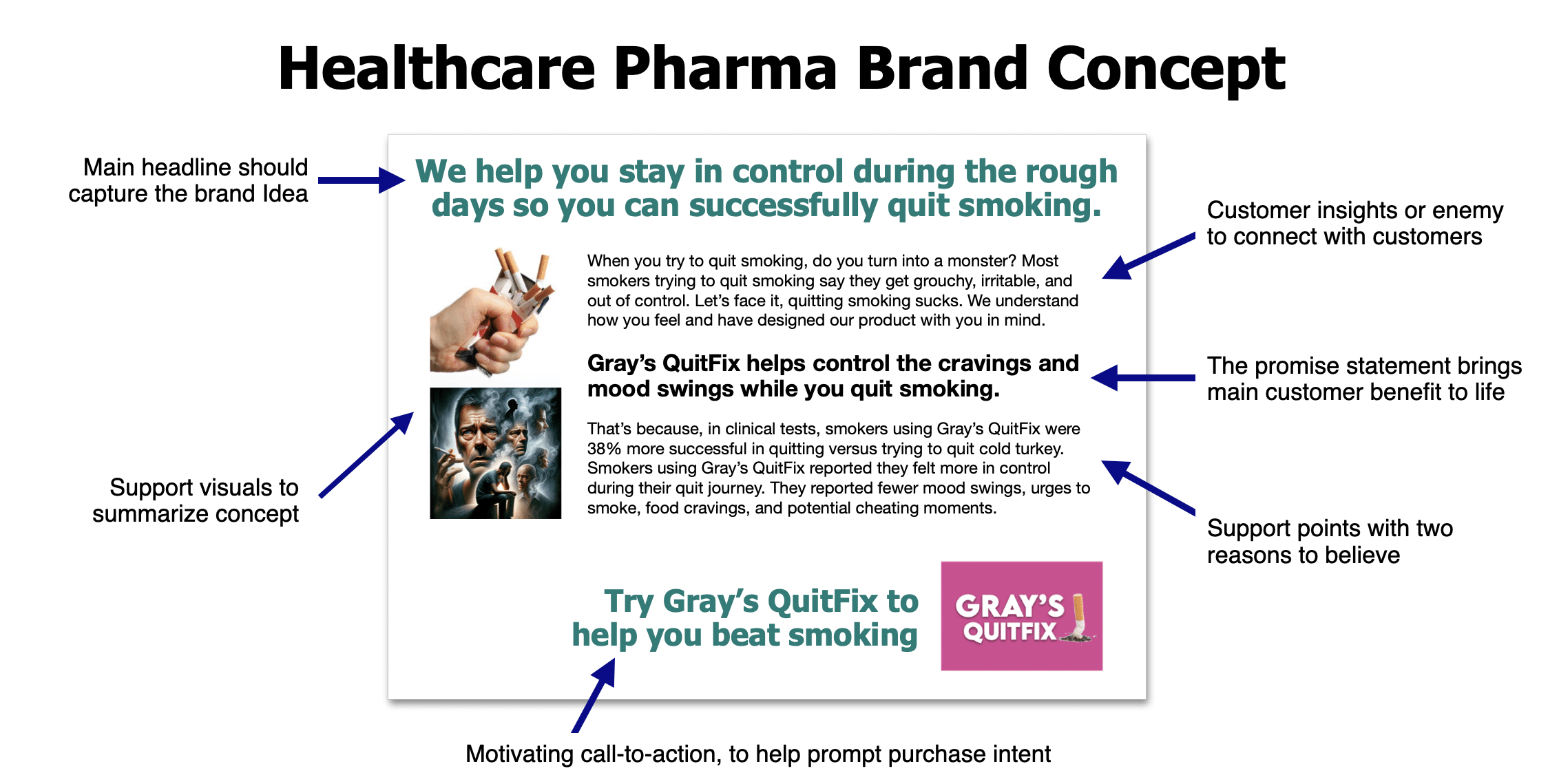
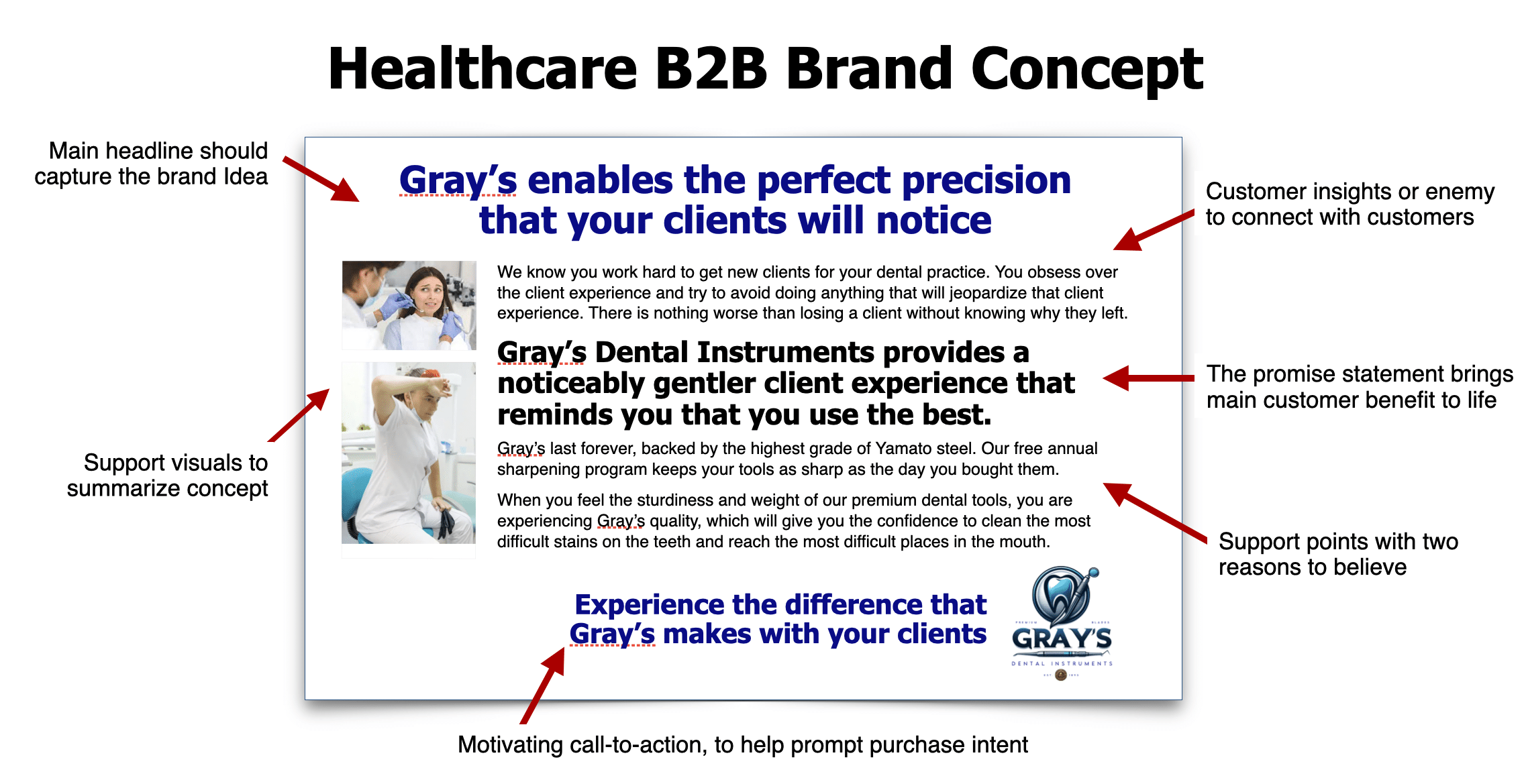
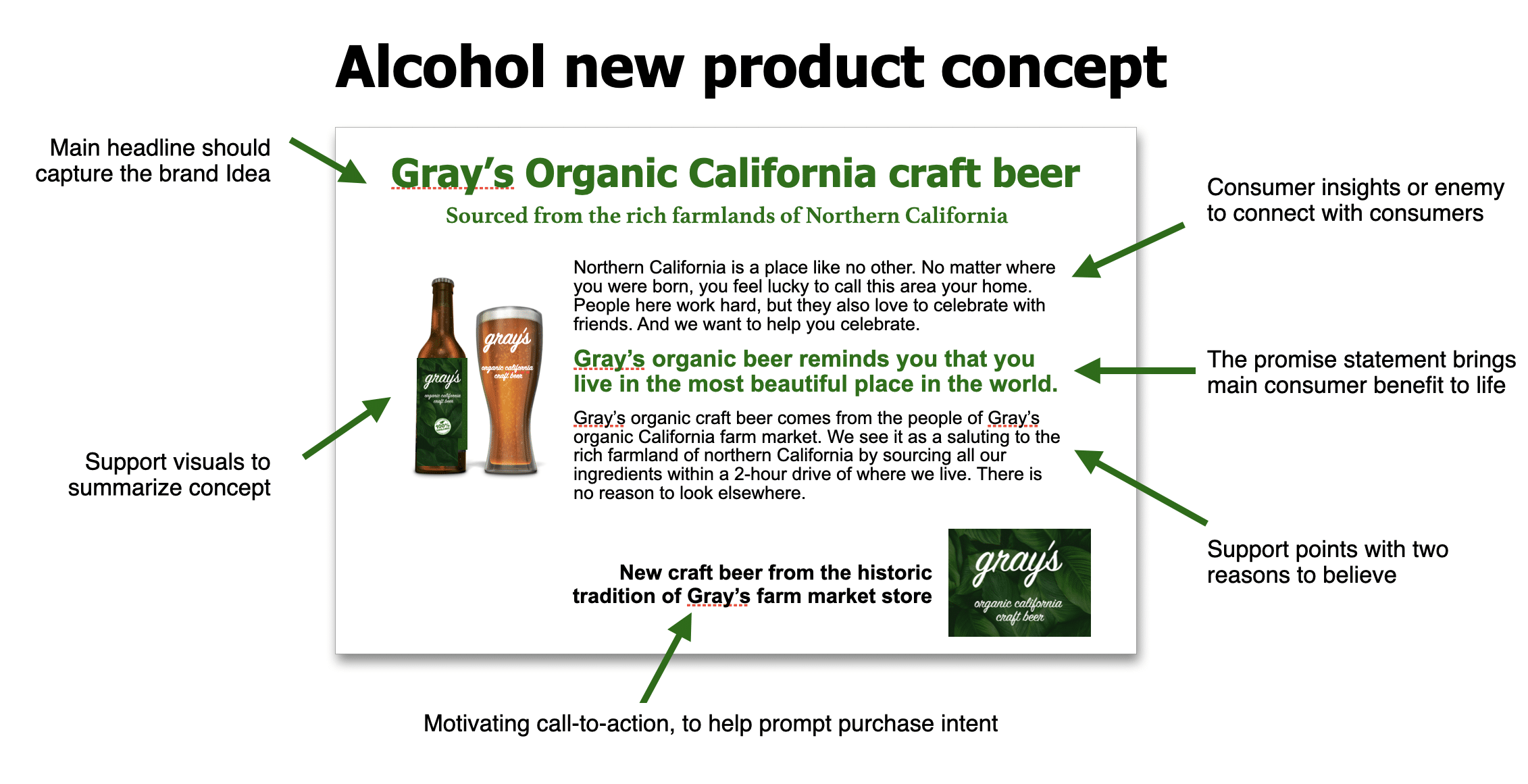
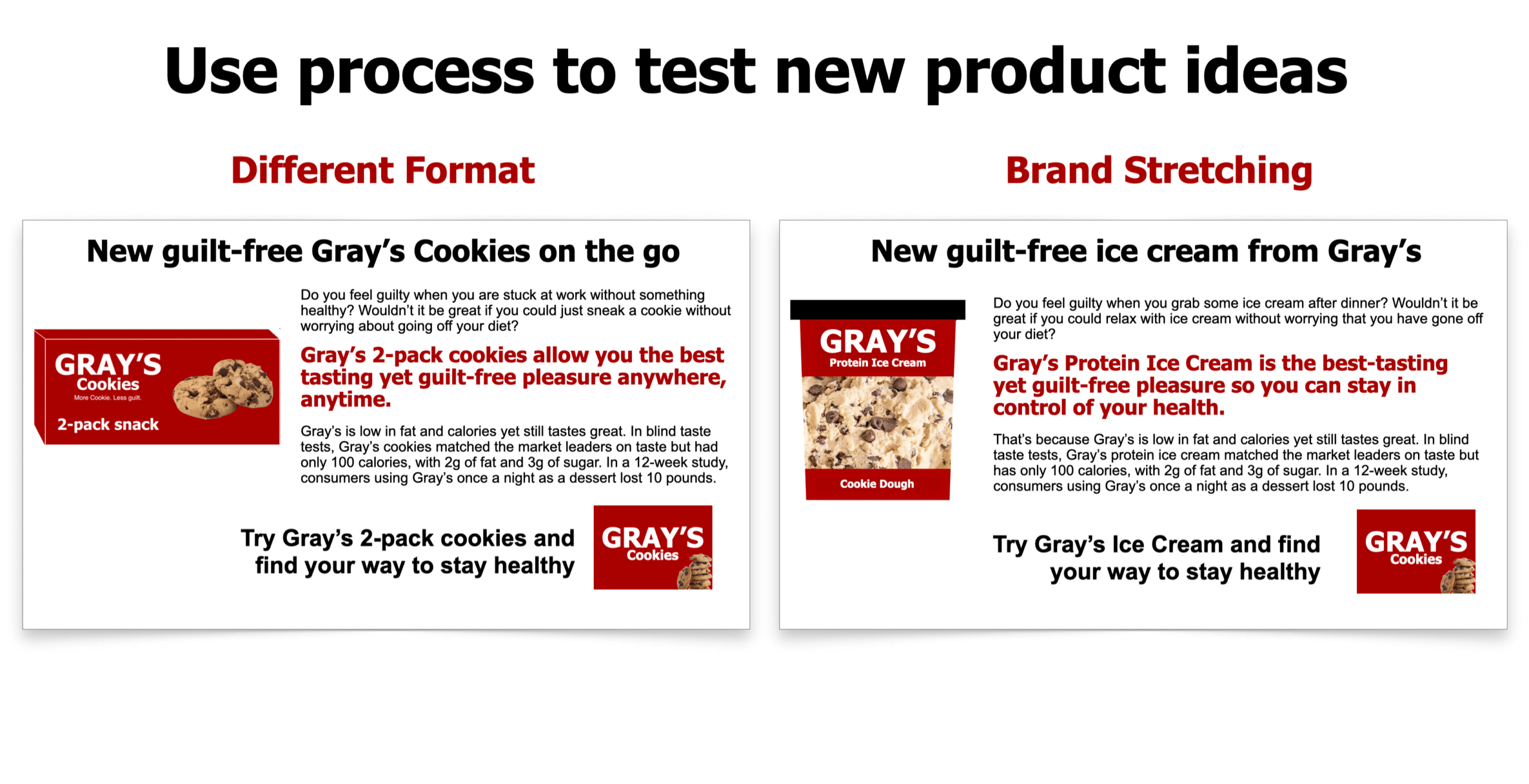
To illustrate, we show our brand concept process that can be used for new product concepts or the marketing concept.
How do you create a brand concept?
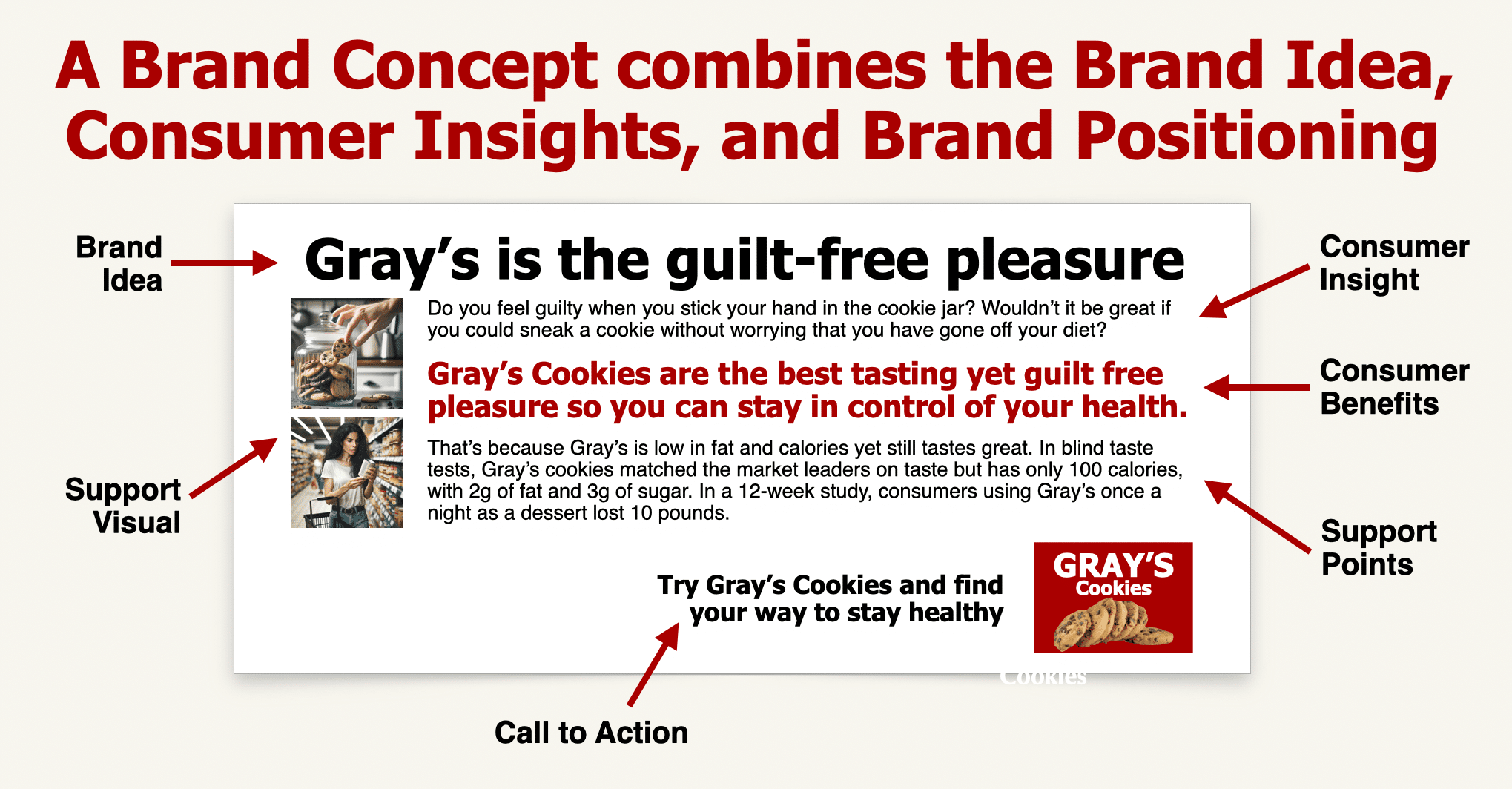
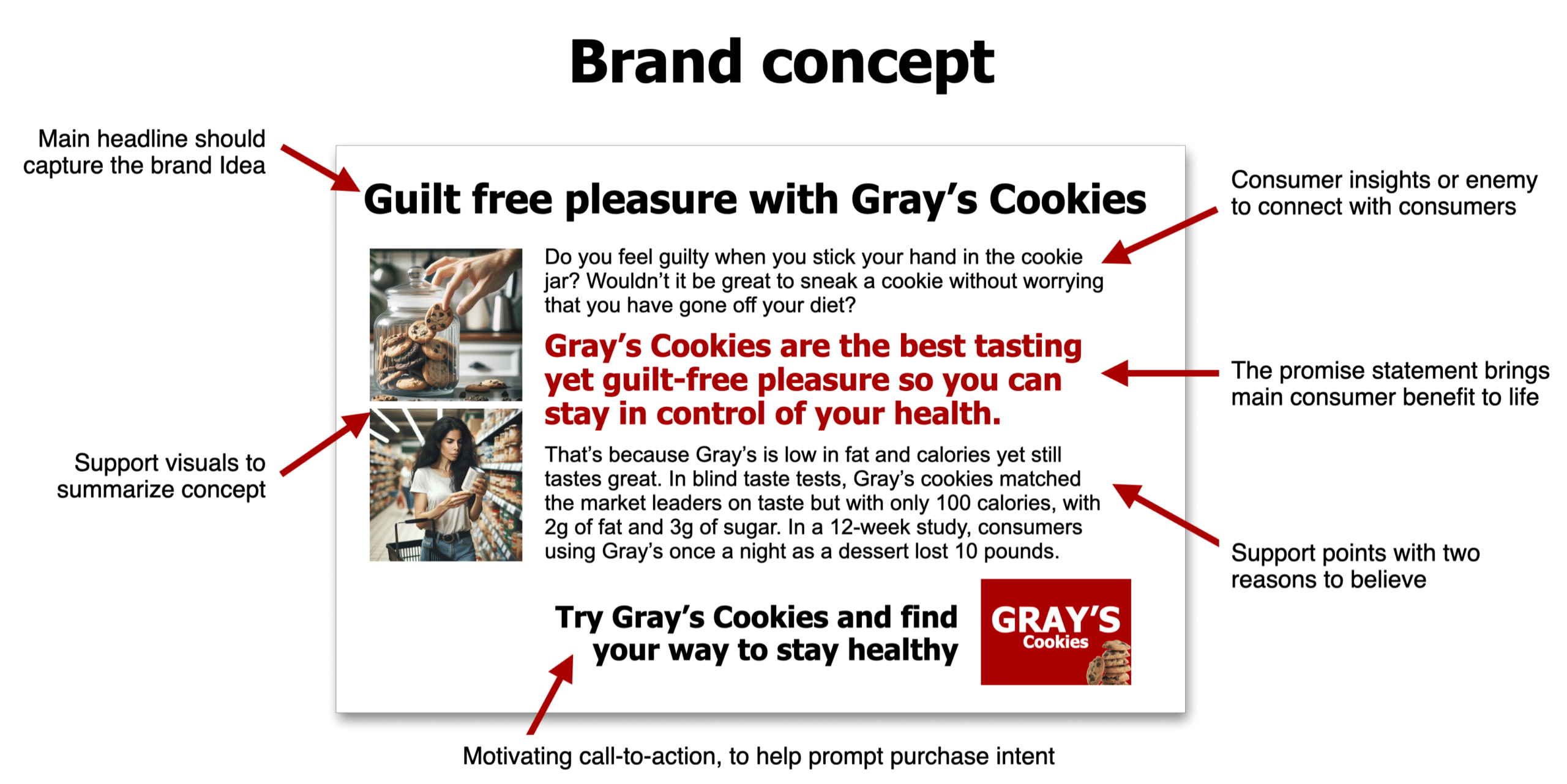
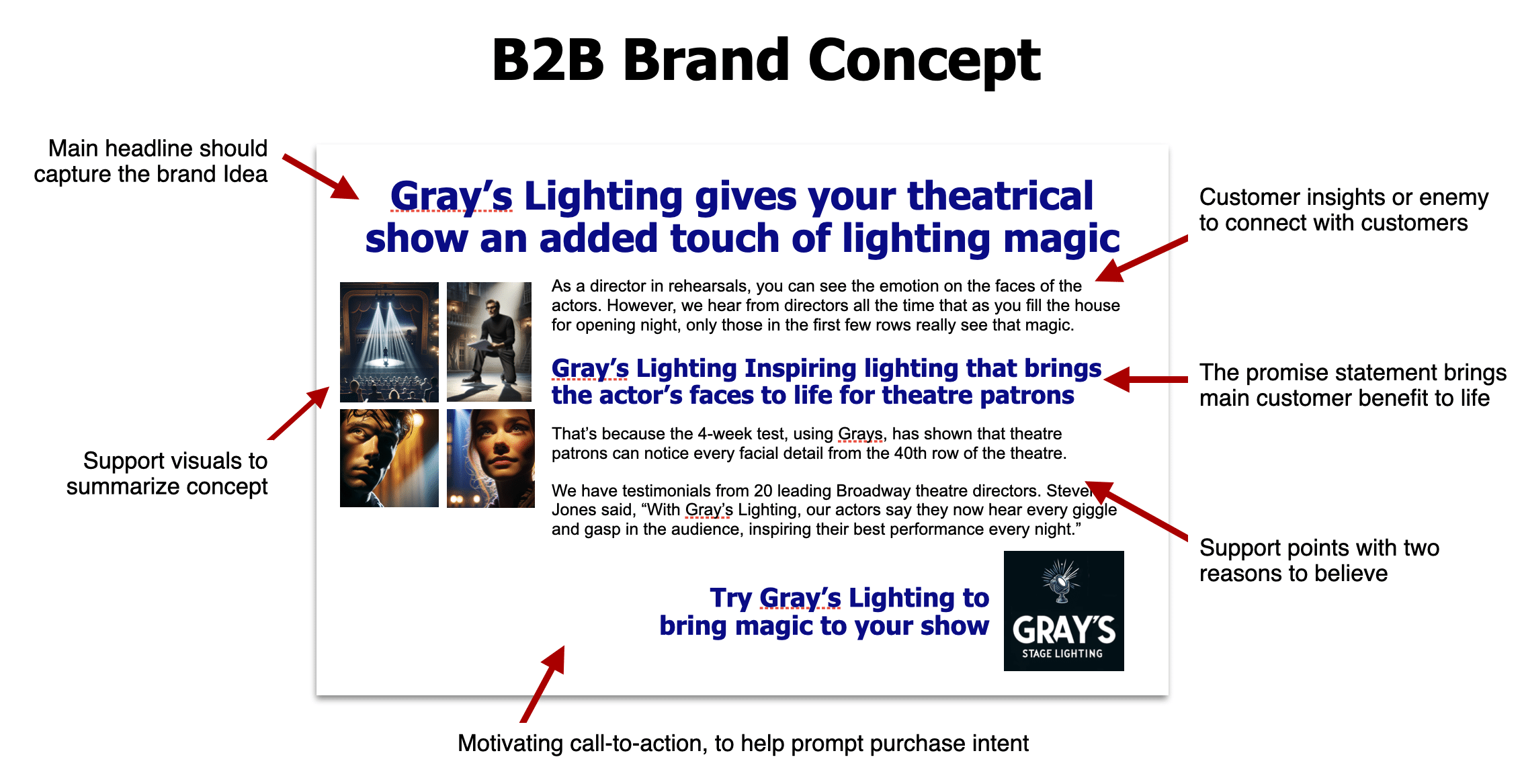
- To start, the main headline should capture your brand idea. The headline is the first thing consumers will see. And, it will influence how they engage the rest of the concept.
- Second, every concept should start with a consumer insight (connection point) or consumer enemy (pain point). This helps captivate consumers enough to make them stop and think, “That’s exactly how I feel.” Your consumers feel more engaged with your concept. As well, the enemy or insight should set up the brand promise.
- Third, layer in the promise statement to bring the main consumer benefit to life with a balance of emotional and functional benefits.
- Next, use support points should close off any gaps that consumers may have after reading the main benefit. In addition, an emotional benefit may require functional support to cover off any doubt lingering in the consumer’s mind.
- Finally, complete the concept with a motivating call-to-action to prompt the consumer’s purchase intent, which is a significant part of concept testing. Furthermore, adding a supporting visual is recommended.
- This process will work for both brand concepts or new product concepts.
To illustrate, we show our brand concept process that can be used for new product concepts or the marketing concept.
Start with your Brand positioning
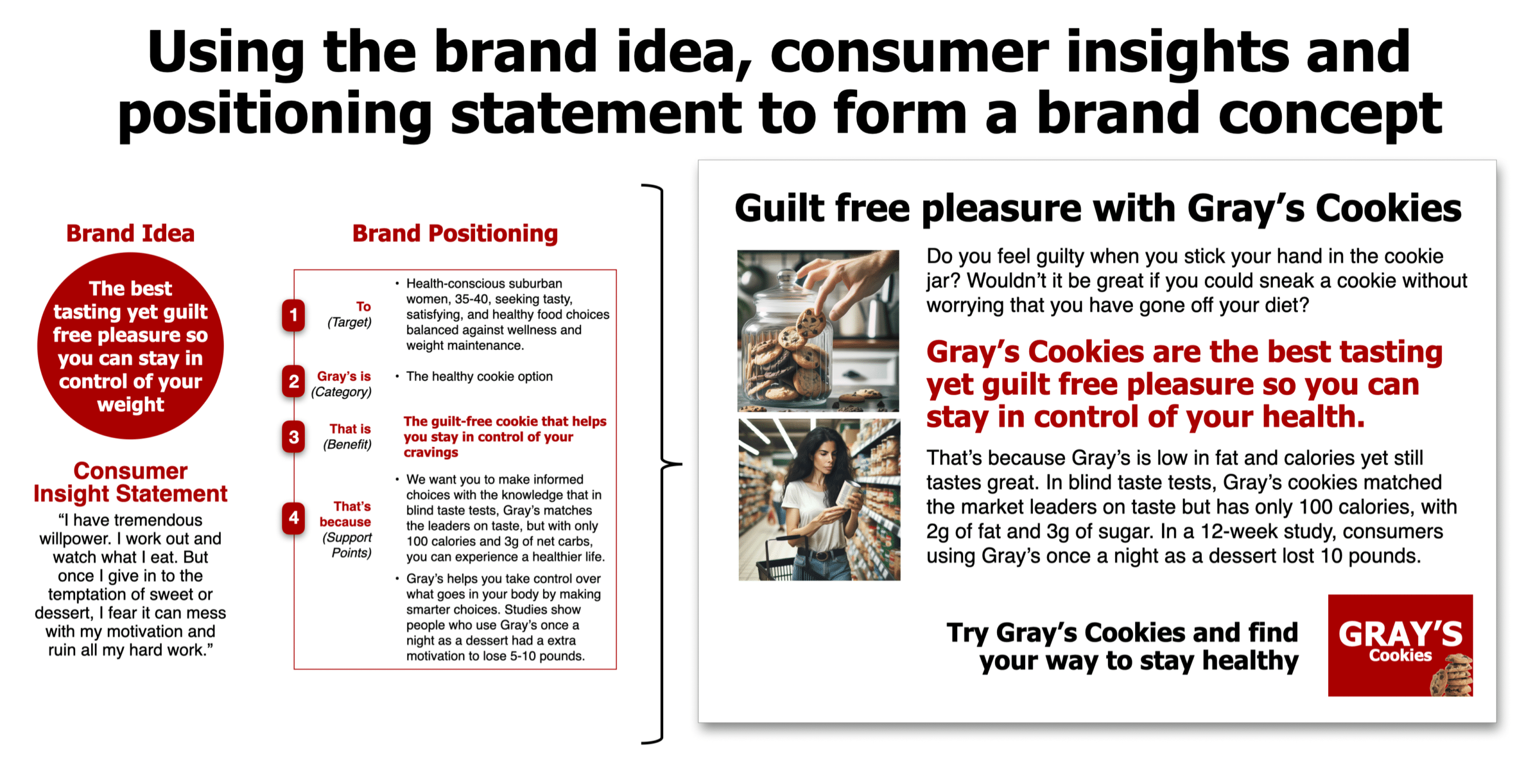
Your brand concept should build upon the brand positioning statement, which provides the most useful function of taking everything you know about your brand, everything that could be said about the consumer and making choices to pick one target that you’ll serve and one brand promise you will stand behind.
A best in class brand positioning statement has four key elements:
- Target Market (1)
- Definition of the market you play in (2)
- Brand Promise (emotional or rational benefit) (3)
- The Reason to Believe (RTB) the brand promise (4)
The classic way to write a brand positioning statement is to take the elements above and frame them into the following: For the target market (1) Brand X plays in the market (2) and it gives the main benefit (3). That’s because of the following reasons to believe (4). Once you have your brand positioning statement, and your brand idea, you can build a brand concept. This process also works for product concepts.
Moreover, we show our brand concept process that can be used for new product concepts or the marketing concept.
To illustrate, we show our brand concept process that can be used for new product concepts or the marketing concept.
And, we show our brand concept process that can be used for new product concepts or the marketing concept.
Testing brand concepts using consumer research
Why brand concept testing is the key to building a winning brand.
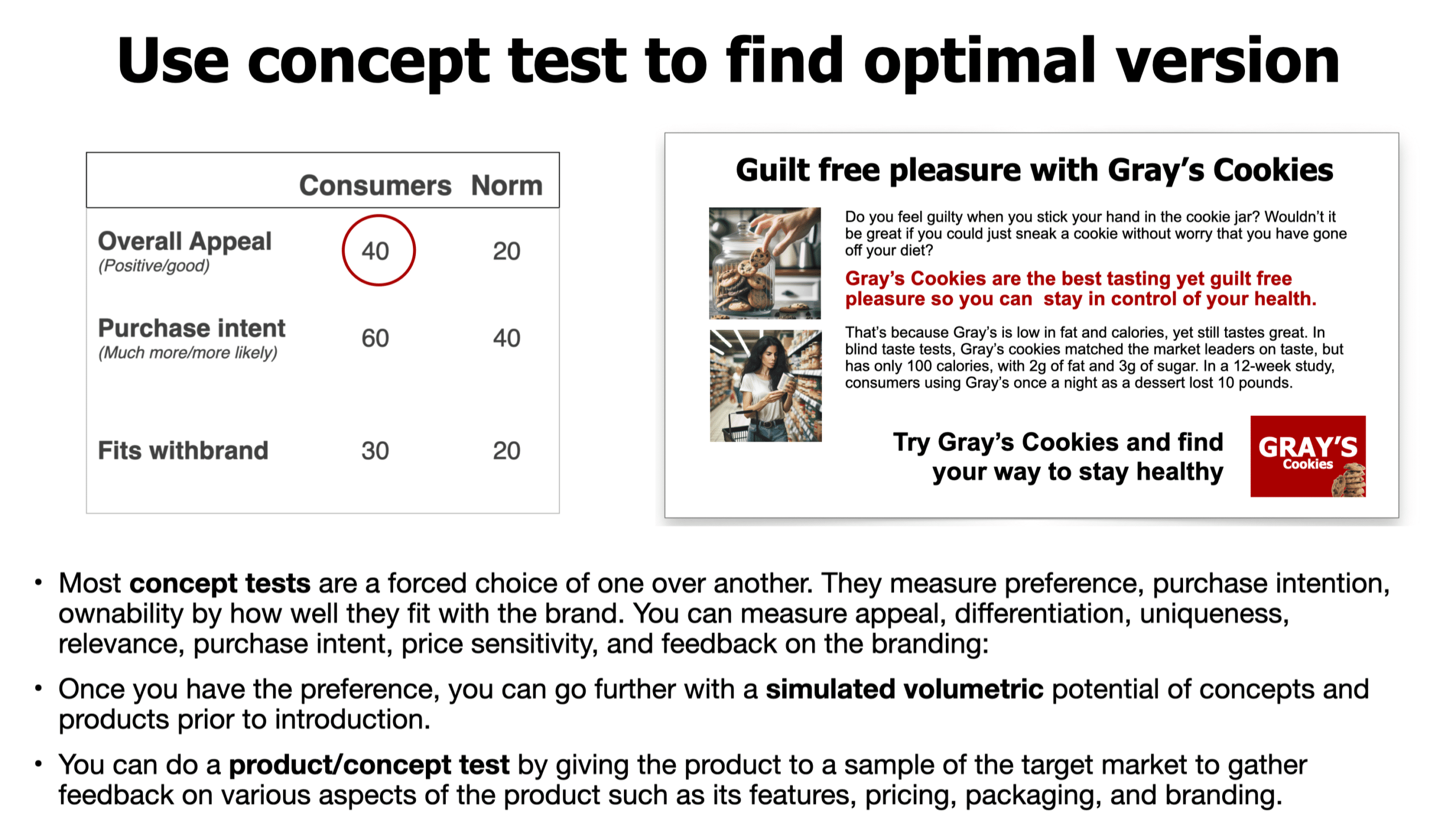
The concept testing process is a systematic way to find out what people think of your idea and whether they would be interested in it.
It is one stage in the development process where you can get valuable feedback before you invest time and money into developing a product, service or technology that may not be what people want or need.
The more information you can gather from different sources at the concept testing stage, the better chance you have of creating a successful new product.
A good concept test will not only save you time and money, but also make your product more likely to succeed by giving you the opportunity to fix potential design flaws before they become major issues.
Soliciting the opinions of consumers
Research helps get the opinions and attitudes of people in a specific group. It is used in the marketing industry for product development, making decisions about what to offer, and gauging public opinion on an issue.
Qualitative market research
Focus groups are a type of qualitative research that is used to gain insights from a group of people about a specific product or service. When you are at the early stages of brand concept process, they are a great tool for getting consumer feedback.
Focus groups are created to generate feedback for an organization’s products, services, and overall customer experience. They are conducted in person or online. Participants can be employees, customers, former customers, potential customers, or any other stakeholders that the organization wishes to consult within the target demographic.
A focus group consists of 8-10 people who share similar demographic characteristics and have typically done some background research on the task at hand by viewing products and/or reading company information beforehand.
Building a Brand Book for your brand
Get our Brand Positioning template in a downloadable PowerPoint file to help you get started on managing your brand. We include PowerPoint slides for target profile, brand positioning statement, brand idea, brand concept, brand values, brand story, brand credo, and a creative brief.
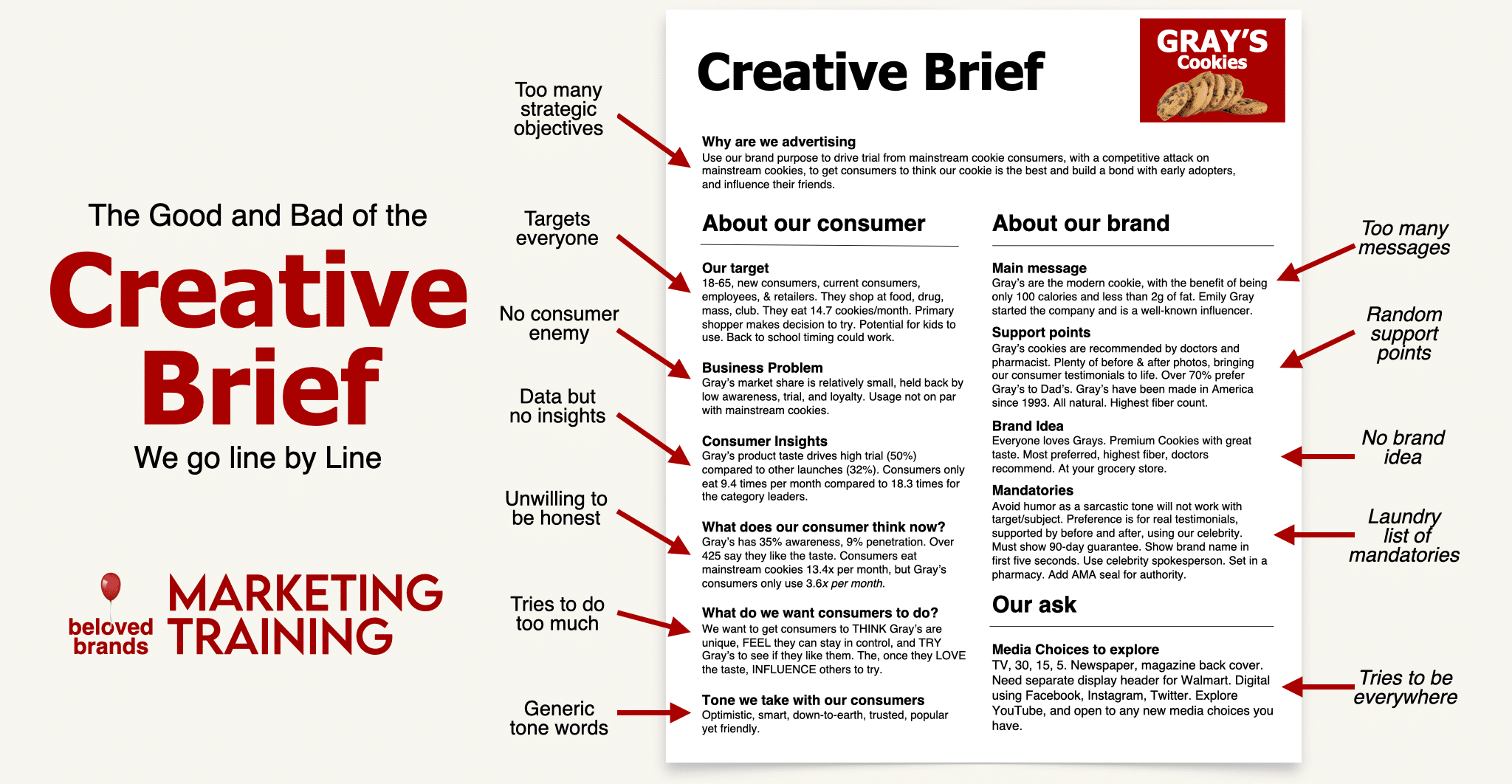
Creative Brief
Learn more about how to write creative briefs
The role of the creative brief is the bridge between your strategic plan and any type of marketing execution. You should have a creative brief for any type of advertising, content marketing, logos, packaging design, websites, videos, or conferences. The creative brief distills everything you could possibly say into only those elements that matter. I will show you how to write a creative brief that inspires your agency.
Frequently Asked Questions About Brand Concepts
What is a brand concept?
A brand concept is a focused, consumer-facing expression of your brand positioning. It compresses your brand idea, consumer insight, main benefit, support points, and call to action into a single page — tight enough to test in research and clear enough to execute in market.
What is the difference between a brand concept and a brand positioning statement?
A brand positioning statement is an internal strategic tool written for your team. A brand concept takes that strategy and expresses it the way a consumer would experience it — with an insight that connects emotionally, a promise that motivates, and proof points that close the sale. The positioning statement is the input; the brand concept is the output.
What are the five elements of a brand concept?
Every strong brand concept has five elements: a headline that captures the brand idea, a consumer insight or enemy that creates an emotional connection, a promise statement that delivers the main benefit, support points that close any remaining doubt, and a call to action that drives purchase intent.
What is the difference between a brand concept and a product concept?
A brand concept expresses the overall positioning and idea behind the brand. A product concept focuses on a specific new product — its features, benefits, and reasons to believe. The structure is the same for both, but a product concept typically leads with a functional benefit and relies more heavily on product claims as support points.
How do you test a brand concept?
Brand concepts are typically tested through qualitative research (focus groups) at early stages to get directional feedback, and quantitative research (surveys) to measure purchase intent and concept scores at scale. The best approach is to write two or three concept options and test them against each other so consumers can tell you which positioning resonates most.
How long should a brand concept be?
Short. Think of it like a print ad or a digital billboard — if it doesn’t fit, it won’t work in the market. One headline, one insight, one main benefit, two support points, and a call to action. If you need more than that to explain your brand, the positioning isn’t tight enough yet.